
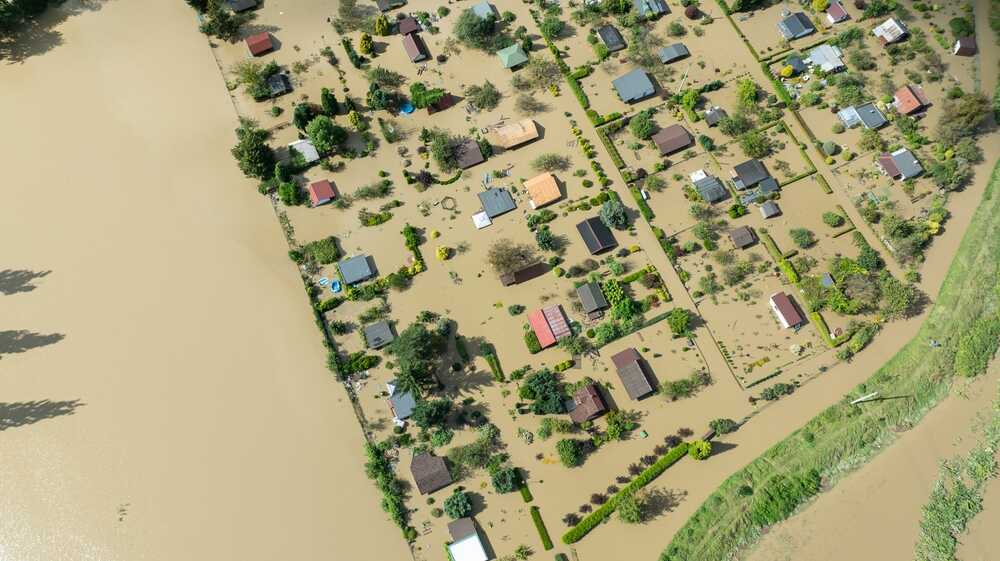
Hurricane Melissa has devastated Jamaica so much that the Caribbean nation remains unrecognizable one week after landfall, with $8 billion in damages threatening to collapse the island’s economy and leave thousands permanently displaced.
Story Highlights
- Category 4 Hurricane Melissa caused $8 billion in damages, marking Jamaica’s worst economic disaster in decades
- Emergency shelters at capacity with thousands displaced as major infrastructure remains destroyed
- Tourism sector collapse threatens 3% GDP decline, devastating the nation’s economic backbone
- Government declares state of emergency while desperately appealing for international aid
Unprecedented Devastation Leaves Island Unrecognizable
Hurricane Melissa made landfall on Jamaica’s southern coast on October 28, 2025, as a Category 4 storm, delivering destruction that government officials describe as “unprecedented” and “horrific.” The hurricane’s 150-mph winds and devastating storm surge flattened entire coastal communities, leaving vast areas of the island completely unrecognizable. Emergency shelters have reached maximum capacity, with thousands of residents still displaced and unable to return to destroyed homes. Major roads and bridges remain impassable, severely hampering relief efforts and isolating remote communities that desperately need assistance.
Search-and-rescue operations continue across the island as authorities work to locate survivors in the hardest-hit areas. The scale of destruction surpasses previous catastrophic hurricanes like Gilbert in 1988 and Ivan in 2004, with meteorologists noting that climate patterns are producing increasingly severe storms in the Caribbean. Essential services, including electricity and water, remain disrupted across large portions of the island, complicating recovery efforts and threatening public health conditions for vulnerable populations.
Jamaica is suffering extensive damage from the devastating force of Hurricane Melissa. It's the most powerful storm on Earth this year, and just the second Atlantic storm ever to make landfall with winds up to 185 miles per hour.@WmBrangham reports. pic.twitter.com/rULK0LdX9s
— PBS News (@NewsHour) October 28, 2025
Economic Catastrophe Threatens National Collapse
Initial damage assessments released on November 2 reveal staggering economic losses of $8 billion, with economists projecting a devastating 3% decline in Jamaica’s economic growth for 2026. The tourism sector, which serves as the nation’s economic backbone, has been virtually destroyed with major hotels and resorts reduced to rubble along the northern and western coasts. Tourism workers, small business owners, and farmers face complete livelihood destruction, threatening to push unemployment rates to crisis levels and trigger widespread poverty across the island.
The agricultural sector has suffered massive crop losses, raising serious concerns about food security and the nation’s ability to feed its population. Economic analysts warn that without rapid mobilization of international aid, Jamaica faces a prolonged recession that could take decades to overcome. The destruction of critical infrastructure, including ports and airports that facilitate trade and tourism, compounds the economic crisis and threatens Jamaica’s long-term recovery prospects.
Government Response Reveals Overwhelming Crisis
The Jamaican government declared a state of emergency and issued urgent appeals for international assistance as local resources prove completely inadequate to address the crisis. Prime Minister and Cabinet officials coordinate with international aid agencies including the UN, Red Cross, and USAID, but the overwhelming scale of destruction has pushed the nation’s disaster response capabilities beyond their limits. Local NGOs and community leaders play crucial roles in distributing relief supplies, though damaged infrastructure severely restricts their ability to reach the most affected areas.
International agencies have pledged emergency funding and technical support, recognizing that Jamaica’s recovery depends entirely on massive external assistance. The disaster highlights the vulnerability of Caribbean nations to increasingly severe weather events and raises questions about long-term infrastructure investment and disaster preparedness. Without immediate and sustained international intervention, Jamaica faces potential social unrest as displaced populations struggle with inadequate shelter, food shortages, and the complete collapse of normal economic activity that sustained their communities.
Watch the report: Hurricane Melissa’s Devastating Economic Impact On Jamaica
Sources:
ReliefWeb – Jamaica: Hurricane Melissa Situation Report No. 2
https://uk.news.yahoo.com/scores-dead-thousands-homeless-billions-094740073.html