
Britain’s refusal to rubber-stamp U.S. strikes on Iran is exposing an uncomfortable truth for conservatives: allies are starting to treat America’s war decisions as unpredictable—and Americans are the ones paying the price.
Quick Take
- UK Prime Minister Keir Starmer initially denied U.S. access to British bases after strikes on Iran, citing strong public opposition at home.
- President Trump publicly criticized Starmer’s hesitation, escalating the dispute into a high-profile row over alliance expectations.
- The UK later allowed limited use of bases in Gloucestershire and Diego Garcia for “specific and limited defensive purposes,” not open-ended warfighting.
- Strait of Hormuz security and potential Iranian retaliation are central pressure points, with economic fallout looming for the UK and energy markets.
UK Base Access Turns Into a Referendum on the “Special Relationship”
UK officials moved from blocking U.S. access to British bases to granting narrowly defined permissions, a shift driven by domestic politics and fear of escalation. Research highlights that Starmer initially denied access after U.S. strikes, reflecting reported public opposition to UK involvement. The later concession covered limited “defensive purposes,” including protection against Iranian retaliation and support linked to shipping risks around the Strait of Hormuz.
Starmer has framed the change as guarding British national interest, not signing up for a broader campaign. That distinction matters, because it signals a coalition under strain: intelligence sharing and formal ties may continue, yet operational cooperation is being rationed. For Americans watching from the right, the bigger issue is strategic clarity—limited permissions abroad can still become a slippery on-ramp if the war’s scope expands.
Trump’s Pressure Campaign Highlights How Fast Allies Can Push Back
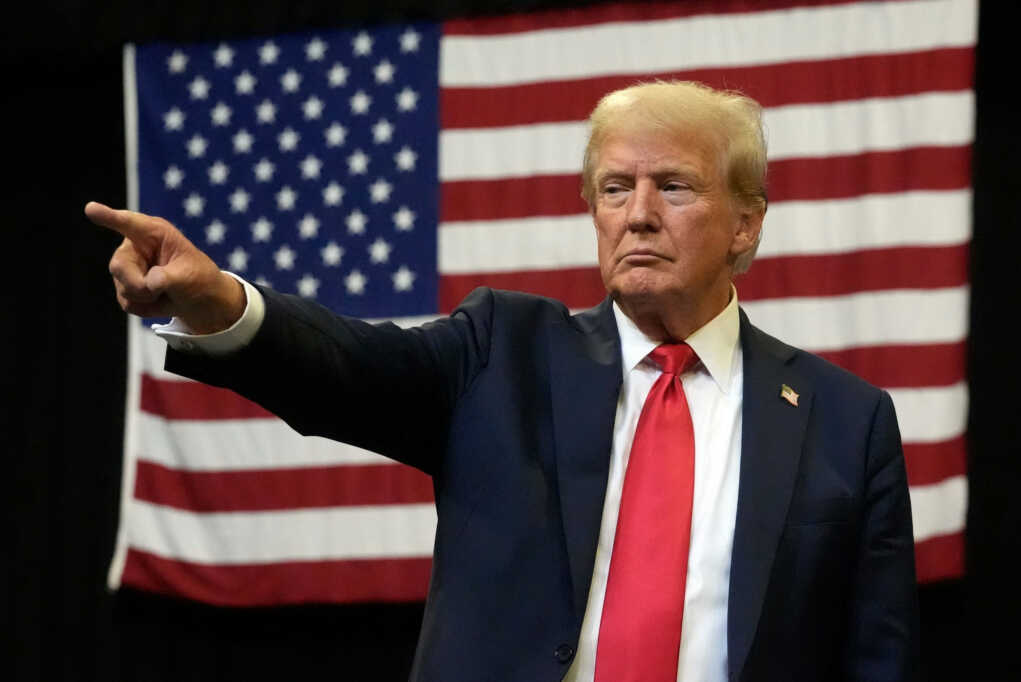
President Trump sharpened the dispute by attacking Starmer personally, telling reporters he was unhappy with the UK and mocking him as “not Winston Churchill” for hesitating on military access. The reporting also describes Trump demanding stronger UK commitment to protect shipping as tensions grew. Starmer responded by insisting the US-UK relationship remains “special,” while emphasizing the need for a lawful basis and a clear plan before deeper involvement.
UK minister Darren Jones reinforced that message by arguing the approved base use is tied to legality and defense, not an unlimited mandate. That posture may read like cautious statesmanship in London, but it also reflects a reality conservatives in America recognize: voters are increasingly hostile to open-ended foreign entanglements. The same electorate that rejected woke ideology and border chaos is now skeptical of another conflict with no clearly defined endpoint.
Hormuz, Energy Costs, and Why the War’s “Edges” Don’t Stay on the Edges
The Strait of Hormuz sits at the center of the dispute because threats to shipping translate quickly into economic pain. Research notes that fears of disruption endanger the UK’s economic recovery agenda and amplify the political risk for Starmer and his chancellor, Rachel Reeves. For the U.S., any sustained instability around Hormuz typically flows into higher energy prices, which hit working families, retirees, and small businesses first.
That economic reality is one reason this conflict is dividing MAGA-aligned voters even inside a second Trump term. The research does not detail U.S. domestic polling, but it does show a clear pattern abroad: when publics see costs rising and mission goals getting fuzzier, leaders demand limits, legal justifications, and “defensive-only” framing. Conservatives who remember Iraq-era “mission creep” should recognize how quickly shipping protection can evolve into broader commitments.
Starmer’s Caution, UK Political U-Turns, and What It Signals for U.S. Conservatives
Chatham House’s analysis describes Starmer’s posture as closely tied to public opinion and as evidence of the limits of UK power. The same research notes that UK figures such as Kemi Badenoch and Nigel Farage shifted positions as the war’s unpopularity became clearer—an echo of older Iraq-era political fractures. The immediate takeaway is not that alliances are collapsing, but that support is becoming conditional, transactional, and politically fragile.
For U.S. conservatives, the constitutional and strategic question is simple: what is the mission, and who authorized the next step? The available reporting emphasizes “defensive purposes,” lawful basis, and limited permissions—language that usually appears when leaders fear escalation and blowback. If America’s partners are openly hedging, voters at home are right to demand transparency, congressional clarity where applicable, and an exit strategy that avoids turning a targeted operation into another generational war.
Sources:
Starmers handling Trump and Iran reflects public opinion, shows limits to UK power
Jerusalem Post international report on Trump-Starmer tensions over Iran-related cooperation
I’m not happy with the UK: Donald Trump criticizes Keir Starmer over military access