

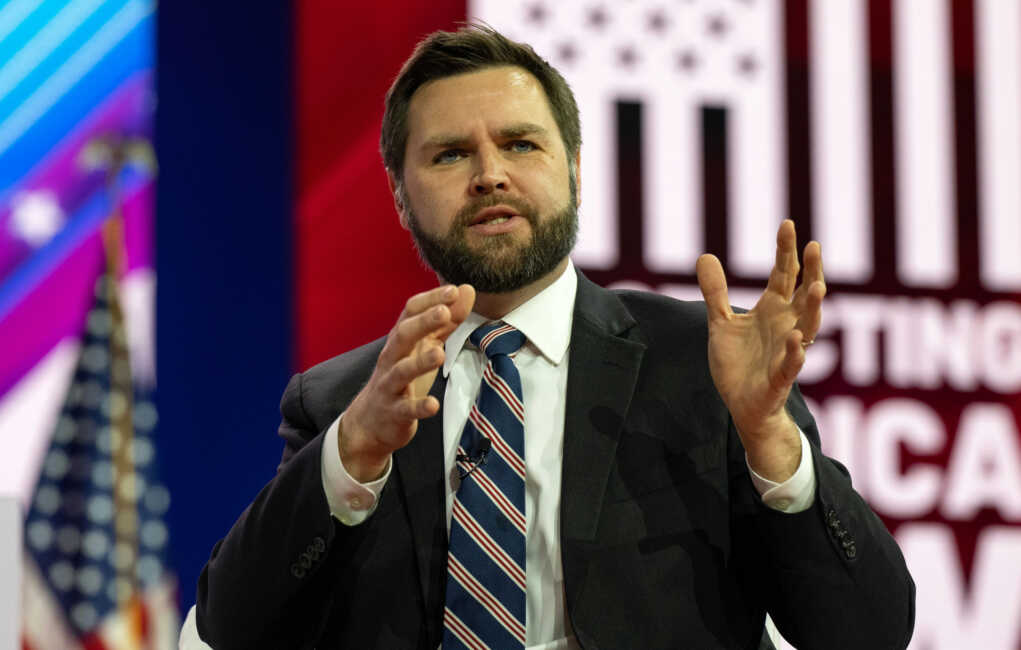
Iran just refused to show up in Switzerland unless Israel stops hitting Lebanon, forcing JD Vance to cancel his trip and exposing how fragile Trump’s hard‑won Iran ceasefire really is.
Story Snapshot
- Iran tied its attendance at the Switzerland talks to a halt in Israeli strikes on Hezbollah in Lebanon.
- Vice President JD Vance postponed his trip as Tehran suspended its delegation, even after Trump’s new Iran deal.
- The White House publicly blamed “logistics,” but regional officials say Lebanon fighting drove the breakdown.
- The memorandum of understanding includes big concessions and cash if Iran plays along, raising major leverage questions.
Iran Uses Lebanon Fighting to Stall Switzerland Talks
Planned talks in Switzerland between the United States and Iran were canceled after Tehran refused to send its negotiators while Israel fought Hezbollah in southern Lebanon.[1] Regional officials said Iranian delegates stayed home and insisted the fighting in Lebanon must stop before any talks go forward.[1] Switzerland had prepared to host the meeting at the Bürgenstock resort, but its foreign ministry confirmed the Friday session would not take place after Iran pulled back.[2] This shows how quickly the ceasefire process can be held hostage by regional violence.
Reports say Israel launched strikes in southern and eastern Lebanon overnight, with Lebanon’s health ministry claiming at least 21 deaths and Israel reporting four of its soldiers killed.[1] Iran responded by tying its presence at the talks to events in Lebanon, demanding Israeli attacks stop before they would travel.[1] This links a narrow nuclear and ceasefire track to a wider battlefield, giving Tehran another pressure point. It also puts American negotiators at the mercy of decisions made in Jerusalem, Beirut, and Tehran all at once.
White House Says ‘Logistics’ as Vance Scraps Trip
The White House told reporters that Vice President JD Vance delayed his trip to Switzerland because of “difficult logistics” and because plans for the next technical round of talks were not yet finalized.[2] An official statement said the United States delegation was ready to depart “at the first available opportunity,” but that the logistics of these negotiations have “never been simple or predictable.”[3] Publicly, the administration stressed that it still expects technical talks to begin as soon as possible, despite this sudden pause.[2]
At the same time, multiple outlets report that Iran had already suspended its own travel plans due to continued Israeli operations against Hezbollah in Lebanon.[2] One account says Iranian officials “balked” at starting the talks with Vance because of Israeli action in Lebanon, and that Pakistan was “stunned” by Tehran’s decision not to attend.[1] This gap between the “logistics” line from Washington and the Lebanon explanation from regional sources raises real questions for readers about what actually killed this round of talks.
Trump’s Deal Offers Iran Big Rewards if the Process Survives
President Donald Trump and Iranian President Masoud Pezeshkian just signed an interim agreement that halted hostilities in Iran and the Gulf and reopened the Strait of Hormuz, easing a global energy crunch.[1] The provisional memorandum of understanding gives both sides 60 days to reach a broader nuclear deal and end the war.[5] In return, Iran reaffirms that it will not procure or develop nuclear weapons and must reopen key waterways for oil and gas shipments.[5] That is a major strategic step meant to protect American energy security and lower global prices.
The same agreement holds out very generous benefits if Iran cooperates, including the eventual lifting of international sanctions and a postwar reconstruction fund reported at hundreds of billions of dollars.[1] It also calls for the “immediate” end of military operations across all fronts, including Lebanon, and for Lebanon’s territorial integrity to be respected.[5][2] Iranian officials now say their support for the deal depends on what happens in Lebanon, and a foreign ministry spokesman warned that failure to honor those commitments would invalidate the agreement.[2] That gives Tehran leverage to slow-walk or freeze talks anytime Israel and Hezbollah clash.
Vance’s Role, Israeli Friction, and What Conservatives Should Watch
Vice President JD Vance has been at the center of this diplomacy from the start, with Iranian insiders identifying him as the key contact inside the Trump administration for a real settlement.[7] Earlier this spring, he pushed back on Israeli leaders who sold Washington an “easy war,” and has warned that Israel must respect the peace process with Iran.[8][10] Those comments showed a rare willingness to stand up for American interests first, even when it caused friction with some Israeli politicians who are skeptical of any deal.
Now the canceled Switzerland trip highlights three big concerns for conservative readers. First, Iran is again using regional chaos, this time in Lebanon, to squeeze more out of negotiations while still chasing sanctions relief and cash.[1][2] Second, the White House message about “logistics” clashes with reports that Tehran simply refused to come, which risks sounding like old D.C. spin instead of the straight talk voters expect.[1][2] Third, every delay eats into the 60-day window and keeps American troops, energy markets, and allies in limbo while an unstable ceasefire hangs by a thread.[1][5] Vigilance is vital so this process does not drift back toward endless war or an unearned payday for Iran’s rulers.
Sources:
[1] Web – JD Vance Cancels Trip to Switzerland For Planned U.S.-Iran Talks
[2] Web – VP JD Vance cancels Switzerland trip as US-Iran talks collapse
[3] Web – Vance shelves Switzerland visit as US-Iran talks hit early hurdles; …
[5] YouTube – JD Vance Scraps Trip to Switzerland to Meet Iranian Negotiators
[7] Web – Vance goes Barack to the future – Jewish Insider
[8] Web – JD Vance’s key role in Iran talks presents him with a thorny …
[10] Web – US-Israel War with Iran: Where is JD Vance? The… – inkl