

The Iran war’s sneakiest punch isn’t at the gas station—it’s in the fertilizer that decides what your grocery bill looks like six to twelve months from now.
Quick Take
- Spring planting collided with a supply-chain choke point: the Strait of Hormuz, now effectively closed to key fertilizer cargo.
- Nitrogen fertilizer prices jumped hard, with urea rising sharply from December through late March as supply tightened.
- About a quarter of U.S. farmers hadn’t locked in fertilizer when the disruption hit, forcing purchases at painful prices.
- America can absorb more than many countries because it has domestic natural gas and resilient farm finance tools, but consumers still get a delayed hit.
The war squeezes food through fertilizer, not just oil through fuel pumps
Epic Fury didn’t only move crude and gasoline; it slammed a quieter artery of the food system. The Strait of Hormuz, a narrow, high-risk corridor, carries oil tankers and LNG carriers, but also ships hauling urea and ammonia—the building blocks of modern nitrogen fertilizer. When that lane goes “practically shuttered,” the shock travels from dockside terminals to farm budgets, then to yields, and finally to supermarket aisles months later.
Fuel-price pain feels immediate, so it dominates headlines. Fertilizer pain works like a time-release capsule. Farmers make decisions at planting that lock in what happens at harvest. If they cut nitrogen rates because prices explode, yields can slip. If they pay the higher price, they must recoup it through stronger crop prices later. Either way, households see the bill, just not at the pump and not right away.
Haber–Bosch turns natural gas into dinner, and that’s the point
Nitrogen fertilizer is not a luxury input; it’s industrialized photosynthesis support. The Haber–Bosch process converts natural gas into ammonia, and ammonia becomes urea, the most common synthetic nitrogen fertilizer on earth. Roughly 80 percent of nitrogen fertilizer production cost traces back to natural gas, which means “energy independence” and “food affordability” sit on the same foundation. Disrupt gas-linked fertilizer trade, and you disrupt food output.
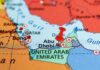
The Gulf’s role makes this more than a regional hiccup. The Persian Gulf supplies about one-third of globally traded urea exports and about a quarter of ammonia trade. Qatar’s QAFCO—described as the world’s largest urea supplier—shut down after gas was cut off. Saudi Arabia and other Gulf producers saw exports stall. Then China, another major exporter, restricted outbound shipments to protect domestic supply. That’s a classic squeeze: multiple big doors closing at once.
Spring planting timing turned a price spike into a budget trap
The calendar made the disruption cruel. Spring planting is when the biggest volumes of fertilizer move, and the war hit during that buying window. Estimates cited by U.S. Agriculture Secretary Brooke Rollins indicated about 25 percent of American farmers hadn’t purchased fertilizer when the Strait effectively closed, while about 75 percent had already locked it in. That gap matters because the late buyers don’t just pay more—they pay more with no time to shop.
Price figures show why those late decisions sting. Urea at the New Orleans import hub jumped more than 30 percent in the first week of war, and by late March it had risen about 77 percent from December levels. Reports from New York put fertilizer moving from roughly $400 to $580 per ton. One framing makes it vivid for a corn grower: the same ton of urea can jump from the value of 75 bushels of corn to 126.
Diesel climbed too, but the bigger consumer hit comes later
Diesel and gasoline surged—over a dollar per gallon higher for retail gasoline and more than $1.30 for diesel since the conflict began, with farm diesel in one report rising from $3.87 to $5.62 per gallon. Those numbers hurt cash flow and trucking costs, and they hit every rural operation that runs equipment daily. Still, the fertilizer story stays more consequential because it can reduce output, not just raise expenses.
Consumers should expect lagged inflation rather than instant sticker shock in the produce aisle. It points to a six-to-twelve-month delay before food price consequences show up, with more visible food inflation later in 2026. That delay causes political confusion: voters feel fuel right now and assume that’s the whole crisis. The farm input shock works its way through planting, harvest, processing, and retail, then finally lands on family budgets.
America has buffers, but the system’s choke point should offend common sense
The most unsettling lesson is structural. The global food system routes essential fertilizer ingredients through a single two-dozen-mile-wide corridor in a war zone. That isn’t a niche vulnerability; it’s a “hiding in plain sight” systemic risk. From a conservative, common-sense standpoint, dependence on a fragile chokepoint for something as basic as crop nutrition looks like the opposite of resilience—and resilience is what families rely on when crises hit.
The United States has mitigating advantages that many countries don’t. Domestic natural gas can feed fertilizer production at cheap global standards, and domestic producers gain cost advantages when Gulf supply stumbles. American farmers also have access to operating credit, crop insurance, commodity programs, and deeper input markets that provide options when prices spike. Global low-income farmers often lack those safety nets, which makes the same shock far more brutal abroad.
What to watch next: relief politics, market adaptation, and the grocery-store timer
Policy pressure is already forming. The American Farm Bureau wrote to President Trump calling for relief measures, and farm leaders warn the public impact grows as the disruption drags on. Amanda Powers of the New York Farm Bureau put it plainly: grocery stores will feel it if the situation doesn’t get resolved soon. Market forces will also respond—other supplier nations can expand production—but capacity doesn’t appear overnight.
The open loop for households is simple: planting decisions made under duress become food prices later. If fertilizer stays tight, the market prices in reduced yields, and grain and oilseed output can fall globally. If shipping lanes reopen and exports normalize soon, the spike becomes a painful but contained episode. Either way, the next “inflation” conversation should spend less time staring at fuel signs and more time asking what’s happening to urea.
Sources:
The Real Threat From The Iran War Hits Farmers, Not Fuel Pumps
Iran conflict sends shockwaves, driving up costs for travel, farming, jet fuel, American consumers
Iran conflict sends shockwaves, driving up costs for travel, farming, jet fuel, American consumers