

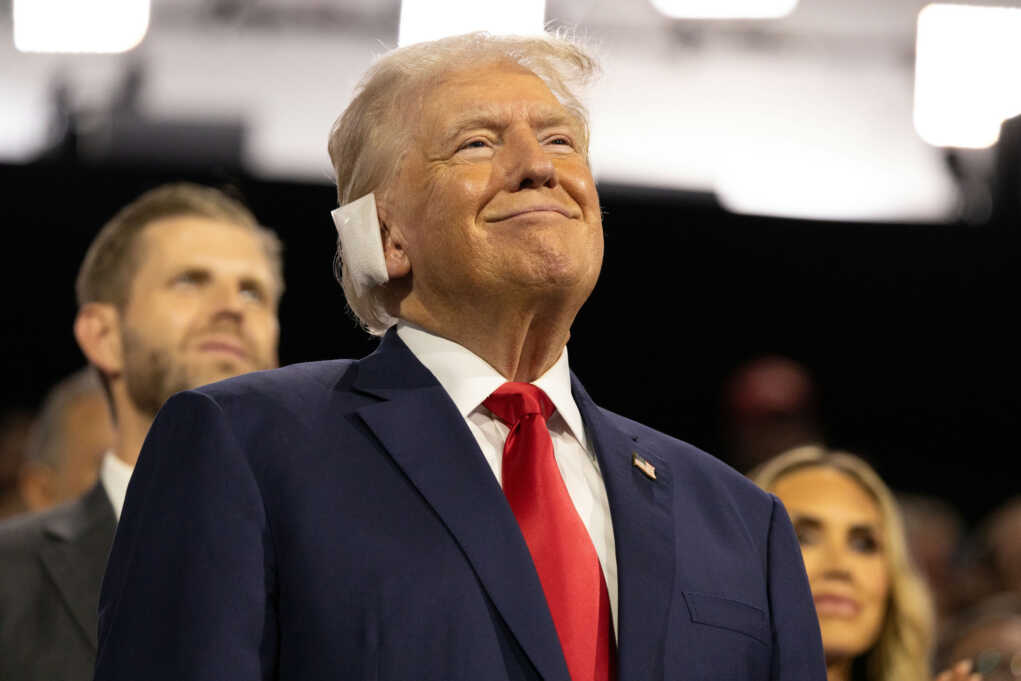
President Trump’s bold declaration that “America’s decline is over” rings hollow for many supporters who backed him to avoid exactly the kind of regime change wars and endless conflicts his administration now appears poised to enter, raising serious questions about whether campaign promises of peace have been abandoned for interventionist policies that contradict core MAGA principles.
Story Snapshot
- Trump’s second-term inauguration promised to end America’s decline with aggressive executive actions on borders, pardons, and bureaucracy reduction
- Administration reversed Biden-era global tax deals and initiated reviews of multilateral treaty commitments, signaling major foreign policy shifts
- Mass pardons for 1,600+ January 6 defendants and immediate border emergency declarations fulfilled key campaign promises to core supporters
- New Department of Government Efficiency launched sweeping federal bureaucracy cuts with 10-to-1 deregulation targets
- Growing tensions over potential Iran involvement threaten to fracture MAGA base promised an end to endless wars
Second-Term Launch Delivers Immediate Policy Reversals
President Trump’s January 20, 2025 inauguration speech declared the end of what he characterized as four years of national deterioration under the previous administration. The 30-minute address framed his return to power as both a political and divine mandate following his survival of an assassination attempt during the 2024 campaign. Trump immediately signed executive orders declaring a national emergency at the southern border, initiating mass deportation operations, and pardoning over 1,600 January 6 defendants while commuting sentences for those convicted of seditious conspiracy. These actions represented the most aggressive Day One executive agenda in modern presidential history.
Economic Sovereignty Takes Priority Over Global Agreements
The administration moved swiftly to reverse what Congressional Republicans called Biden’s “unilateral global tax surrender” to the OECD framework. Ways and Means Chairman Jason Smith and Senate Finance Chairman Mike Crapo championed legislation protecting American workers from what they characterized as foreign tax authority over U.S. companies. This represented a fundamental rejection of globalist economic integration that had frustrated conservative voters concerned about American sovereignty. The reversal prioritizes domestic competitiveness over international cooperation, aligning with the America First mandate that propelled Trump’s victory. By March 2025, the new Department of Government Efficiency had identified billions in federal waste while implementing unprecedented deregulation targets.
Bureaucracy Reduction Promises Taxpayer Relief
Trump’s executive order establishing the Department of Government Efficiency targeted entrenched federal bureaucracy that conservatives have long criticized as bloated and unaccountable. The administration eliminated entities like the Federal Executive Institute while launching a 10-to-1 deregulation initiative requiring agencies to remove ten regulations for every new one implemented. This approach directly addressed voter frustration with government overreach and wasteful spending that characterized the previous four years. The streamlining effort promised to return power to local communities and reduce the federal footprint that many supporters viewed as oppressive and unconstitutional in scope.
Multilateral Commitments Face Sweeping Review
A February 4, 2025 executive order initiated comprehensive reviews of U.S. participation in multilateral organizations and treaties, targeting entities like the UN Human Rights Council, UNESCO, and UNRWA funding for potential withdrawal. This signaled a dramatic shift from post-1945 international order participation toward bilateral arrangements that critics characterized as isolationist but supporters viewed as necessary sovereignty protection. The Carnegie Endowment warned this approach could represent the “death of the world America made,” but administration officials argued it aligned with voter mandates to prioritize American interests over globalist commitments. The treaty review process extends through July 2025, with outcomes uncertain but implications potentially reshaping decades of foreign policy consensus.
Promises Versus Performance Raises Critical Questions
While Trump delivered on border security, tax sovereignty, and bureaucracy reduction promises, growing concerns about potential military involvement in Iran conflicts directly contradict his central campaign pledge to keep America out of new wars. Many MAGA supporters who endured criticism for backing Trump specifically to avoid regime change operations now find themselves questioning whether his administration has abandoned peace commitments for interventionist policies they explicitly rejected. This tension threatens to fracture the coalition that returned him to power, as supporters who tolerated controversy based on anti-war promises watch developments that appear indistinguishable from the endless conflicts they voted against. The administration’s credibility with its base depends on honoring the non-intervention mandate that distinguished Trump from establishment Republicans and Democrats alike.
Sources:
Trump takes power in Washington, declaring ‘America’s decline is over’ – CBS News
Trump Executive Order on Treaties and Organizations – Carnegie Endowment