

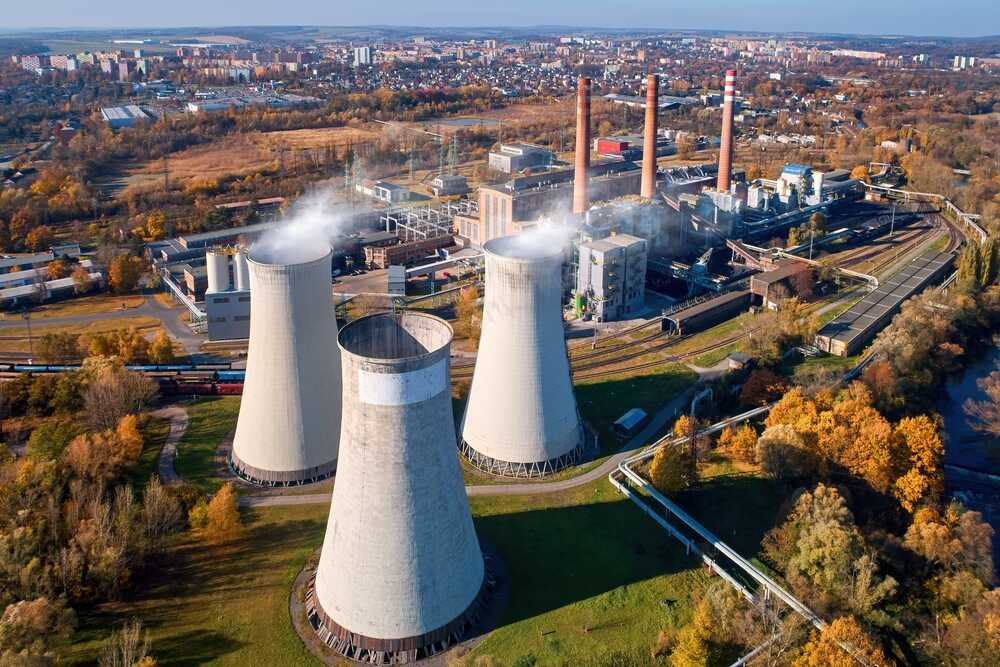
The United States and Britain have signed a sweeping new civil nuclear power pact during President Trump’s state visit, aiming to fast-track advanced modular reactors and expand nuclear energy investment across the UK.
At a Glance
- Pact streamlines nuclear regulatory approvals between US and UK
- Centrica and X-Energy to build up to 12 advanced reactors in Hartlepool
- Holtec, EDF, and Tritax to invest £11 billion in nuclear-powered data centers
- UK commits £14 billion to Sizewell C nuclear plant expansion
A New Transatlantic Energy Era
The nuclear cooperation pact signed in London represents a significant milestone in energy relations between the United States and the United Kingdom. The agreement seeks to reduce regulatory delays by recognizing reactor safety certifications across both countries, trimming approval times from four years to as little as two. Officials emphasized that such measures could unlock billions in private investment while bolstering long-term energy security.
Watch now: UK-US Nuclear Deal: What It Means
The centerpiece announcement involves U.S.-based X-Energy working with Centrica to construct up to 12 advanced modular reactors in Hartlepool, a town in northeast England with a long history of nuclear power generation. These reactors are expected to create thousands of skilled jobs while supplying low-carbon energy to regional industries.
Commercial Deals Take Shape
Beyond Hartlepool, American firm Holtec International, in partnership with EDF and Tritax, unveiled plans for an £11 billion project to power large-scale data centers in central England using small modular reactor technology. The venture illustrates how nuclear energy is increasingly being linked with digital infrastructure, as cloud computing and artificial intelligence drive surging electricity demand.
The UK government also reiterated its £14 billion pledge toward Sizewell C, a major new nuclear plant on the Suffolk coast. Once complete, the facility is projected to provide enough electricity to power six million homes, contributing to Britain’s target of decarbonizing its grid by 2035.
Strategic and Economic Implications
Analysts note that this pact strengthens the strategic alliance between Washington and London, extending cooperation beyond defense and trade into critical infrastructure. The alignment is designed to counter energy insecurity and enhance resilience against fossil fuel price shocks.
Critics, however, point to nuclear’s well-documented challenges. Even with streamlined regulation, construction costs and waste management remain significant hurdles. Public acceptance will also be a factor, as nuclear expansion continues to divide opinion across Britain.
Still, with renewable energy often criticized for intermittency, policymakers see nuclear as an essential complement for ensuring a reliable, low-carbon electricity mix. If delivered on schedule, these projects could mark one of the most ambitious nuclear buildouts in Britain since the 20th century.