

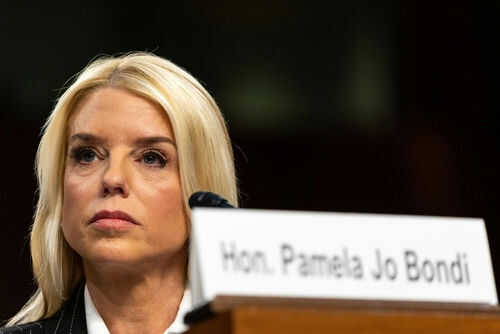
Attorney General Pam Bondi faced explosive bipartisan criticism during a heated House Judiciary Committee hearing over the DOJ’s botched handling of Jeffrey Epstein files, exposing victims while shielding powerful figures—a scandal that reveals troubling government overreach and accountability failures under the Epstein Files Transparency Act.
Story Snapshot
- Bondi testified on February 11, 2026, defending the DOJ’s release of 3 million Epstein pages while facing accusations of protecting elites and Trump from scrutiny
- Rep. Jamie Raskin accused Bondi of “Orwellian” cover-up tactics, citing delayed releases, excessive redactions of co-conspirator names, and unredacted victim information
- Republican Rep. Thomas Massie joined the criticism, condemning the DOJ’s “staggering incompetence” for exposing victim identities while redacting perpetrator names
- Epstein survivors testified at the hearing, raising hands to confirm victim status as lawmakers demanded full transparency on wealthy figures tied to trafficking
DOJ’s Transparency Act Implementation Draws Fire
Attorney General Pam Bondi appeared before the House Judiciary Committee on February 11, 2026, defending the Department of Justice’s execution of the Epstein Files Transparency Act signed by President Trump. The DOJ released approximately 3 million pages from a trove exceeding 6 million documents related to Jeffrey Epstein’s sex trafficking investigations. However, the releases arrived late and contained troubling errors, including one victim’s name left completely unredacted in an email list while alleged co-conspirator identities remained fully blacked out. These selective redactions sparked accusations from both parties that the DOJ prioritized protecting powerful individuals over victim privacy and genuine transparency.
Bipartisan Outrage Over Victim Exposure and Elite Protection
Democratic ranking member Rep. Jamie Raskin led the charge, accusing Bondi of orchestrating a “massive Epstein cover-up” by “siding with perpetrators” through strategic redactions. He characterized the DOJ’s actions as “Orwellian,” suggesting deliberate protection of figures potentially including President Trump, whose name reportedly appears in the files. What made this hearing remarkable was the rare bipartisan fury: Republican Rep. Thomas Massie, who co-sponsored the Transparency Act, condemned the victim data leaks as “staggering incompetence” and “the worst thing you could do” to survivors. Massie’s criticism underscored a fundamental failure—protecting the guilty while exposing the innocent—that transcends partisan politics.
Epstein survivors attended the hearing, raising their hands when asked to identify themselves as victims, providing a stark visual reminder of the human cost of the DOJ’s mishandling. Rep. Dan Goldman suggested the partial redactions constituted intentional intimidation tactics against victims and witnesses. Meanwhile, Rep. Ro Khanna revealed specific names the day prior, including Nikola Caputo, Sultan Ahmed bin Sulayem, and Leslie Wexner, demonstrating that information existed but remained selectively concealed. The FBI issued a July 2025 memo claiming no incriminating “client list” existed, yet these revelations contradicted that assertion.
Bondi’s Defense and Deflection Tactics
Bondi defended the Trump administration’s transparency efforts, emphasizing the DOJ had released “over 3 million pages” of documents. She accused her critics of suffering from “Trump-derangement syndrome,” framing the attacks as politically motivated rather than substantive oversight. When pressed on surveillance lists targeting “left-wing terrorism” backers and whether House Democrats conducting Epstein file searches were monitored, Bondi refused commitments and deflected. She pivoted to economic achievements, noting “the Dow is over 50,000,” a response critics viewed as evasive given the gravity of trafficking allegations and victim privacy breaches.
Accountability Questions and Future Implications
The hearing exposed deeper concerns about government overreach and selective justice. Democrats cited a July 2025 letter demanding the release of Special Counsel Jack Smith’s report and Epstein files mentioning Trump, alleging a pattern of concealment. The DOJ’s dismissal of cases against Trump associates, including classified document co-conspirators, fueled suspicions of politicized justice. Raskin and others hinted at future subpoenas if Democrats reclaim the House majority, while victims and advocates demanded prosecutions of named co-conspirators. The controversy erodes DOJ credibility on high-profile cases, raising fundamental questions: Why are victim names exposed while perpetrator identities remain hidden? This inversion of justice priorities—protecting elites over survivors—should alarm every American who values constitutional accountability and equal application of the law, regardless of wealth or political connections.
Sources:
Bondi comes under fire from Congress for unredacted Epstein files – KSAT
Democratic lawmakers accuse US Attorney General of Epstein file cover-up – NBC Right Now