

Hundreds gathered across Republika Srpska to honor Ratko Mladić, a man the United Nations courts convicted of genocide and war crimes, exposing deep regional divides and testing Western diplomacy.
Story Highlights
- Reports say Bosnian Serbs held vigils and lit candles for Ratko Mladić in multiple towns.
- United Nations tribunals convicted Mladić and upheld his life sentence, a fact mourners reject.
- Regional leaders praised Mladić or criticized the court, fueling backlash and polarization.
- Crowd sizes were described as “hundreds,” but exact counts were not independently verified.
Vigils Across Republika Srpska Mark Mladić’s Death
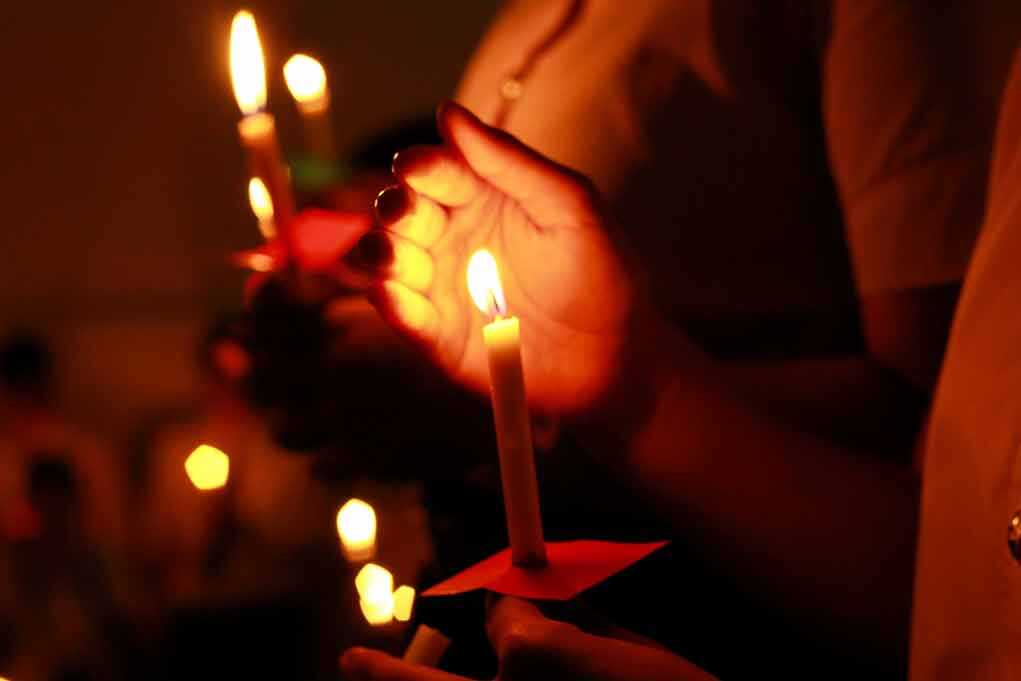
Associated Press reported that hundreds of Bosnian Serbs from the Sarajevo region held vigils to mark Ratko Mladić’s death, lighting candles and gathering in remembrance. Cable reports described events in multiple locations across Republika Srpska, showing the acts were not isolated to one town. Some marches displayed flags and banners with Mladić’s image, signaling open praise despite his conviction. These scenes underline a long pattern of “memory politics” in the Balkans and a stark split in how history is told.
International courts reached a final judgment years ago. The International Criminal Tribunal for the former Yugoslavia found Mladić guilty of genocide, crimes against humanity, and other violations, and sentenced him to life in prison. The United Nations body that handles appeals later upheld his convictions and sentence in 2021, closing legal challenges at the international level. These are settled rulings, yet many mourners framed him as a hero, creating a direct clash with the legal record.
Leaders’ Words Intensify The Political Signal
Regional leaders added fuel. Reports say Republika Srpska officials praised Mladić, while Serbia’s president blasted the United Nations court for how it handled details after his death. These statements reinforced the heroic framing for local audiences and signaled defiance to Western institutions. That posture, familiar in the region’s politics, invites new diplomatic friction. It also risks deeper division with victims’ families and human-rights groups that view the court’s verdicts as hard-won justice.
Media in Europe noted plans or calls for high-profile burial honors, turning mourning into state symbolism. Such moves are not just cultural gestures. They shape voter identity, influence cross-border relations, and complicate security cooperation. When leaders elevate a convicted commander, they challenge the authority of international law in the public square. Western governments track these signals closely because they can slow reforms, inflame tensions, and distract from energy, trade, and security priorities.
Turnout Claims And What We Do Not Know
Newsrooms described “hundreds” at several events. Those descriptions help size the story, but they are not audited counts. Reports do not show formal permits, organizer rosters, or full transcripts from the vigils. That leaves open questions about how broad or organized the support really was. What we can say is that events appeared in multiple towns and included open praise, flags, and banners. That is enough to show public momentum, even if exact numbers remain unclear.
For readers in America, the lesson is clear. When elites reward radical war narratives, they weaken rule of law and exploit grief for power. The United States should insist on facts and law first, not tribal stories. President Trump’s team can keep pressure on partners to uphold verdicts and protect stability. That means firm diplomacy, targeted aid conditions, and support for victims of wartime crimes. Respect for truth must guide policy, or bad actors will rewrite history at the expense of peace.
Sources:
youtube.com, apnews.com, n1info.rs, cnn.com