
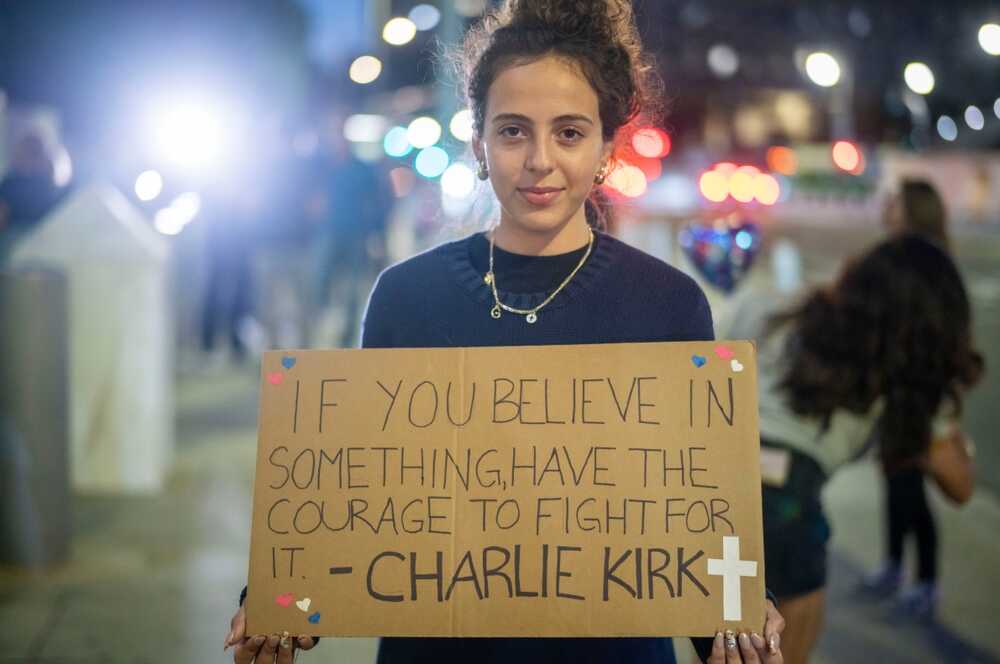
Charlie Kirk’s fatal shooting on a Utah college campus has ignited nationwide alarm over an escalating cycle of political violence and division in America.
At a Glance
- Conservative activist Charlie Kirk was shot and killed during a speaking event at Utah Valley University; the suspect is in custody but motive remains unclear.
- Political leaders from both parties have condemned the assassination and called for unity and restraint in rhetoric.
- Experts warn that recent trends—rhetorical extremism, polarization, amplification via social media—are producing a feedback loop that could normalize violence as political expression.
- Comparisons are being drawn to political turmoil of the 1960s, with historians citing similar features: assassinations, deep ideological division, and media-fueled anger.
The Spark: Charlie Kirk’s Assassination
On September 10, 2025, conservative activist Charlie Kirk, co-founder of Turning Point USA, was fatally shot while speaking at Utah Valley University. The shooter allegedly fired from a rooftop; police subsequently arrested suspect Tyler James Robinson. While some early reports circulated about ideological messages on bullet casings or political motivation, authorities have cautioned that the concrete motive remains undetermined.
The killing has rapidly become symbolic for many Americans—seen not merely as an isolated event, but part of a trend of political violence that includes attacks on public figures, threats, arson, and increasingly frequent calls for retaliatory rhetoric.
Watch now: How Charlie Kirk’s assassination portends a national crisis
Political Fallout: Blame, Fear, and Calls for Unity
The aftermath has featured divided political narratives. Some leaders—including Utah Governor Spencer Cox—are calling for nonviolence and for cooler rhetoric. Others, notably former President Donald Trump, have blamed the “radical left” for Kirk’s death, even before motive or affiliation was solidly established.
Across state leadership and governors, there are statements urging national healing and condemnation of political violence in all forms. For example, Hawaii’s Governor Josh Green pointed to a string of recent attacks—including the murder of Kirk, violence toward political figures in Minnesota, and threats on leaders in various states—as signs that the country must come together.
Meanwhile, many elected officials are reassessing their security measures, with some canceling or restructuring public events amid growing concerns over safety in polarized environments.
Larger Trends & Risks: What Experts Warn
Scholars and analysts argue that political violence in the U.S. has been increasing in frequency, scope, and symbolic weight. Factors include rising economic insecurity, changing demographics, disinformation and conspiracy theories, and a political environment where extreme rhetoric gets higher engagement.
A historian quoted by ABC News likened the moment to the upheaval of the 1960s—not just because of assassinations, but because of how media and social networks allow anger to spread widely and immediately. Experts warn of a “vicious spiral” if political actors see violence as a tool or if blame games intensify retaliation.
There’s also concern over misinformation: rumors about the shooter’s identity, ideological leanings, or even message-inscriptions on bullets have circulated online before being verified. Such false or premature claims risk inflaming tensions and triggering further violence.
Looking Ahead: Can Democracy Bear This Storm?
The killing of Charlie Kirk is accelerating conversations about what it takes for democracy to withstand such shocks—not just in legal or security terms, but culturally. Can political leaders curb divisive speech? Can media platforms limit amplification of violent rhetoric without undermining free expression? Can citizens find shared practices of blame-limitation and conflict de-escalation?
With the 2026 midterm elections approaching, there are stakes for how this moment is handled. If political violence becomes normalized, the fears aren’t just about physical harm—they’re about the erosion of trust, norms, and the sense that democracy is a space for disagreement rather than warfare.