

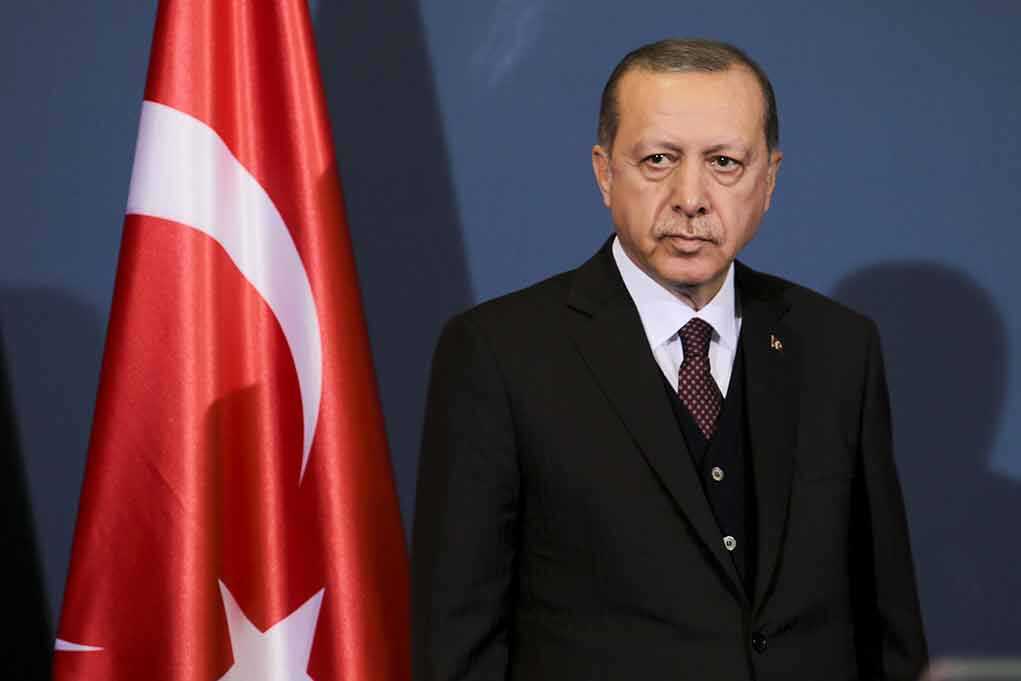
At the United Nations climate summit, Turkey’s president labeled the Gaza war an “ecocide,” citing United Nations data on massive environmental damage and collapsed water and sewage systems.
Story Snapshot
- Turkey’s president said the Gaza war is an “ecocide” at the COP31 summit, pointing to destroyed farmland and polluted water.
- United Nations assessments report extreme damage to crops, vegetation, and buildings across Gaza.
- United Nations reports warn that sewage plant shutdowns are fouling beaches, soil, and coastal waters.
- United Nations findings describe over 61 million tonnes of debris and widespread risks to health and recovery.
Erdoğan’s COP31 Charge and the Evidence He Cited
On November 11, 2026, Turkey’s president told world leaders that the war in Gaza is both a genocide and an “ecocide.” He claimed ancient olive trees were destroyed, soil and water were polluted, and cities turned into rubble. United Nations environmental reporting backs core facts about severe damage to land, water, and infrastructure. United Nations assessments document widespread destruction, while also warning that environmental harm is deep and will hinder recovery unless addressed.
United Nations Environment Programme findings describe major impacts to land and food systems. By mid-2025, analysts reported heavy losses to Gaza’s cropland and vegetation. The reports say tree crops, annual crops, shrubland, and grass or fallow land suffered large-scale damage. These losses mean fewer local foods, less shade, and more dust. United Nations reporting adds that fishing livelihoods were “all but eliminated,” and that marine areas face contamination from munitions, sewage, and waste.
Water, Sewage, and Public Health Risks
United Nations reports state that Gaza’s freshwater supply is scarce and often polluted. Damage to piped-water systems and heavy use of cesspits likely increased contamination of the main aquifer. The United Nations says all five wastewater treatment plants shut down, sending sewage into beaches, coastal waters, and soil, bringing pathogens, microplastics, and chemicals. These failures raise disease risks for families, poison nearshore life, and burden any rebuild. Clean water and safe sewage are baseline needs for any community.
United Nations teams warn that the longer sewage and water systems stay broken, the harder and costlier the rebuild will be. Polluted groundwater can take years to recover. Damaged pipes, pumps, and treatment plants will need major parts and fuel. Families forced to rely on trucked water and pit latrines face daily health threats. United Nations guidance calls for urgent testing of soil and water, safe debris removal, and rapid repairs to water and sanitation networks to protect people and speed recovery.
Debris, Rubble, and the Scale of Destruction
United Nations assessments estimate that about seventy-eight percent of Gaza’s roughly 250,000 buildings were damaged or destroyed, creating more than sixty-one million tonnes of debris. United Nations analysts say this is around twenty times the debris from all Gaza conflicts since 2008. Debris at this scale hides unexploded ordnance, asbestos, and other hazards. It also blocks roads, slows aid, and traps waste. Safe removal and recycling plans are key steps before housing and schools can rise again.
United Nations guidance for cleanup stresses mapping rubble, testing for toxins, and separating hazardous waste. Workers need clear safety rules and equipment to avoid injury. Children face special risks near unstable debris and contaminated dust. Without careful handling, debris can spread pollutants into air and soil. United Nations planners urge local training, clear chain-of-custody for samples, and steady power for cleanup sites. These basics keep people safe and make rebuilding faster and cheaper over time.
What “Ecocide” Means and What Is Proven
Turkey’s president used the word “ecocide” to describe the scale of harm and to push leaders to act. United Nations reporting confirms severe environmental damage, but it does not decide legal questions about “ecocide.” Those findings focus on the facts on the ground: ruined crops, polluted water, dead fisheries, and vast rubble. A separate legal review would be needed to judge whether any party’s actions meet a defined crime standard. The environmental needs, however, are urgent and clear.
At COP31, Erdoğan described Israel’s destruction in Gaza as both genocide and ecocide, highlighting contaminated water, destroyed agricultural land and damaged infrastructure. Gaza’s environmental devastation is becoming an increasingly important dimension of the conflict. pic.twitter.com/l59EmYMlgT
— Middle East Index (@middleeastindex) November 12, 2026
For American readers, the lesson is simple: facts matter, and so do first principles. The United States should insist on clean water, safe sewage, and honest debris removal before any long-term aid is locked in. Taxpayers deserve proof that money addresses real risks and protects families. Strong oversight, transparent testing, and local accountability fit conservative values of stewardship and limited waste. United Nations data show what broke; now the world must fix it the right way.
Sources:
youtube.com, unep.org, un.org, rappler.com