
New York’s governor stripped a locally elected prosecutor of a high-profile case and handed it to the state’s attorney general, raising sharp questions about power, process, and fairness on campus and in Albany.
Story Highlights
- Governor Kathy Hochul said she lost confidence in the local district attorney and named Attorney General Letitia James special prosecutor.
- Reports say the first review relied on a six-page statement, while a larger campus file existed but was not fully weighed.
- The district attorney later reopened the case amid community pressure but was removed before grand jury action.
- Cornell says it shared information and backed a grand jury review, highlighting the split between school and criminal systems.
Governor Removes Local Prosecutor and Elevates State Oversight
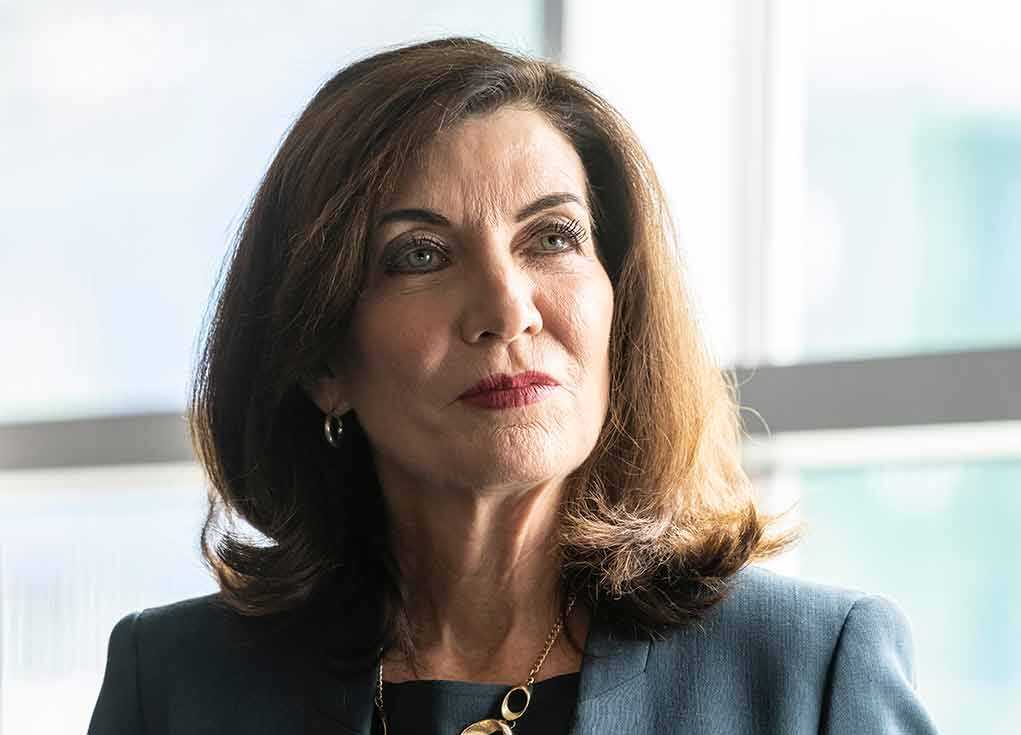
Governor Kathy Hochul signed an order naming Attorney General Letitia James as special prosecutor after saying she lost confidence in Tompkins County District Attorney Matthew Van Houten’s handling of a 2024 Cornell case. The order gives James the power to gather evidence, question witnesses, and bring charges to a grand jury if the facts support it. Hochul’s move follows intense public scrutiny of how university police and the local prosecutor first reviewed the allegations.
Attorney General Letitia James said her office will conduct a full and fair review, with authority to seek indictments if warranted. The shift centralizes control in Albany and sidelines the local office that initially declined charges. Supporters say the step may correct a flawed first pass. Critics warn state action can look political and undermine local judgment. Both views reflect a broader struggle over who should lead sensitive campus cases in New York.
Dispute Over What Evidence Reached Prosecutors in 2024
The district attorney’s office said it relied on a six-page statement that described the encounter as voluntary and consensual when it declined to file charges in 2024. Later reporting described a much larger Cornell record: a Title Nine file over 1,000 pages, a 120-page interview transcript, and messages, some of which were not in the initial criminal packet. The New York Times reported the office declined to review additional campus-police evidence beyond the summary during the first decision window.
Media accounts said Cornell police had Snapchat screenshots and group chats that could bear on consent or awareness, and some were later flagged to prosecutors. The district attorney has said the later Snapchat review did not change the office’s legal analysis on consent under New York law. This gap—morally troubling facts versus a tight legal standard—keeps the case hard. That tension often appears in intoxication cases, where the law sets a high bar for proof of incapacity.
Cornell’s Position and the Split Between Campus and Criminal Systems
Cornell says its police followed protocol by sending the sworn statement and screenshots to the district attorney in 2024 and that the decision not to charge was the prosecutor’s, not the school’s. The university says its Title Nine process is separate from criminal law, used different standards, and led to sanctions including expulsions and suspensions and a fraternity ban from campus. Cornell also says it supports a grand jury review so the accuser’s account can be heard.
That split—two tracks, two standards—creates confusion for families. A school can punish under its code while police still lack a chargeable crime. When files are siloed or condensed, key details can fall through the cracks. Reports say that happened here, with a compressed packet guiding the first decision and a larger record held elsewhere. That structure invites second-guessing and opens the door for state intervention when trust breaks down.
Why Conservatives Should Track This Case Closely
State removal of a local, elected prosecutor in a hot case is a serious step. Process must guard both the victim’s rights and the rights of the accused. Conservatives value due process, local control, and equal justice. This case tests all three. If evidence was not fully reviewed, a new look is fair. If Albany overreaches for headlines, that erodes trust. The standard should be simple: follow the facts, apply the law, and keep politics out of charging decisions.
What Comes Next: Facts, Not Hype
The special prosecutor can subpoena the full campus-police and Title Nine files, question witnesses under oath, and present to a grand jury. The district attorney had already reopened the matter before being removed, signaling a live path to review. The outcome will turn on concrete proof of incapacity, lack of consent, or force—and on whether messages and transcripts hold up in court. Until then, avoid spin. Demand transparency, chain-of-custody, and clear legal reasoning grounded in evidence.
Sources:
facebook.com, bbc.com, bostonherald.com, yahoo.com, cnn.com, nytimes.com, statements.cornell.edu, time.com