
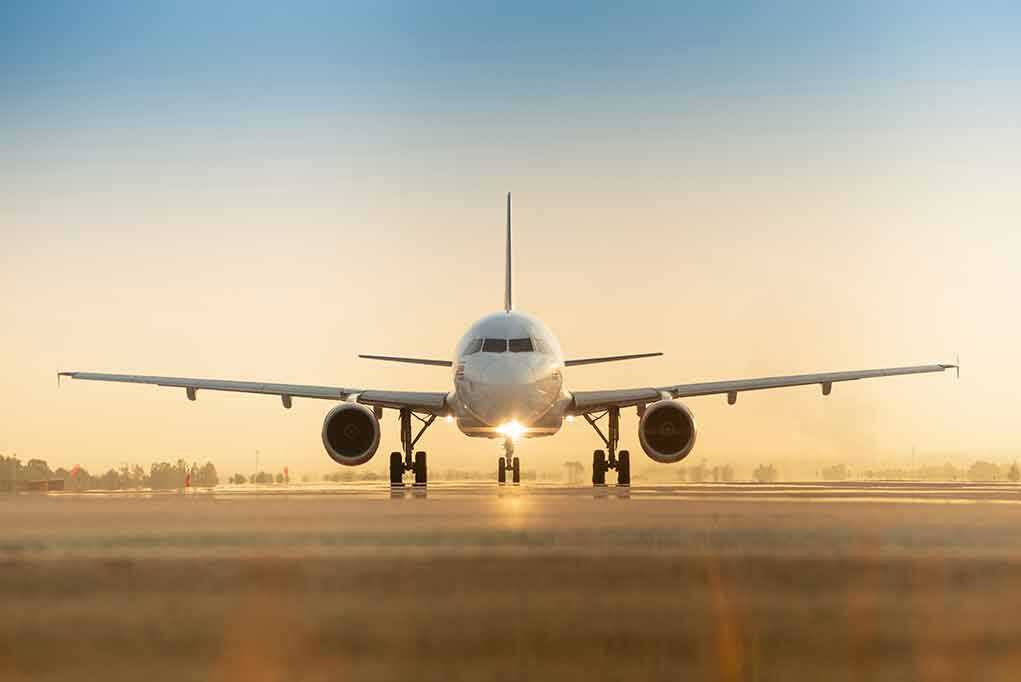
Tehran’s main airport saw international flights plunge after the United States choked off Iranian airlines by sanctioning 27 carriers and warning foreign firms to stop serving them.
Story Highlights
- The U.S. Treasury sanctioned 27 Iranian airlines tied to Iran’s aviation sector.
- Washington warned global companies to halt fuel, ground, and ticket services or face penalties.
- Regional airports began blocking Iranian flights as the rules took effect.
- Tehran’s international traffic dropped sharply as schedules were disrupted.
What Washington Did And Why It Matters
The U.S. Department of the Treasury said it sanctioned 36 targets, including 27 Iranian airlines, to cut off a network that moves weapons, personnel, and illicit cargo for Iran’s regime. Treasury paired these actions with a clear warning to foreign companies. If airports, fuel suppliers, or ticket agents serve Iranian airlines, they could lose access to the United States dollar system under secondary sanctions, which most firms will not risk. This approach hits the support system airlines need to fly.
Treasury officials described a straightforward goal: make Iranian international flights unworkable by drying up fuel, ground handling, maintenance, and sales support abroad. News reports documented that message, with the Treasury Secretary saying Iranian airlines would be shut out of foreign operations as the rules kicked in. That threat quickly changed behavior. Many third-country providers began to refuse service, which is how secondary sanctions deliver results without American agents setting foot on a foreign tarmac.
Early Impact At Airports In The Region
Regional authorities responded within days. Near neighbors, including the United Arab Emirates and Oman, barred Iranian airlines from entering as the new measures took effect. Airline timetables in Tehran showed heavy disruption to planned routes as airports and handlers stopped serving sanctioned carriers. These steps triggered a sharp drop in international traffic through Tehran’s main gateway, as flights were cancelled, rerouted, or left off schedules to avoid sanctions exposure.
Reports from regional media and analysts noted chaos for travelers and longer overland trips as flights disappeared. That knock-on effect fits the pattern of aviation sanctions: the legal target is an airline, but the choke point is fuel trucks, check-in systems, and gate access. When those dry up, aircraft can sit on the ramp with no legal way to depart. Tehran’s disrupted schedules and missing arrivals and departures match that picture on the ground.
How Secondary Sanctions Force Choices
Secondary sanctions force a simple choice for global companies: serve the sanctioned airline or keep access to the United States financial system. Treasury’s warning covered fuel, landing services, and ticket sales, which are the basic services an airline needs to operate. That is why compliance behavior abroad often determines the real impact. Once airports and suppliers refuse service, a carrier becomes grounded in practice, even if it still lists planes and routes on paper.
NEW: UAE’s civil aviation authority has suspended Iranian airline flights to and from the country from Thursday until further notice.
GCAA said the order follows the US ban on Iranian carriers using airports worldwide. An Iran Airtour Tehran–Dubai flight was already pulled this…
— Perspective Vibe (@Perspectivibe) September 24, 2026
Policy experts have described this as the compliance snowball. A few large airports or service firms pull back first. Others follow to avoid risk. In this case, the combination of designating every remaining Iranian airline and threatening penalties for helpers made the snowball grow fast. The quick bans by nearby states and the visible schedule changes in Tehran show the approach is working as intended to restrict Iran’s reach in the skies.
Why This Aligns With U.S. Security Goals
Treasury linked Iran’s aviation network to moving weapons and personnel, which threatens American interests and allies. Cutting those air bridges limits the regime’s ability to move tools of war and proxy support. That protects U.S. troops, partners, and shipping lanes. For years, critics complained that weak rules let Iran’s carriers act like cargo arms for hostile activity. The new enforcement closes those gaps by targeting every link that keeps a flight viable, from the fuel bowser to the check-in counter.
Conservatives will see a clear message here. The United States is using lawful economic power to curb a hostile regime, without endless deployments or blank checks. Strong borders and strong skies go together. When Iran’s airlines cannot count on foreign fuel, parts, and services, the regime has fewer ways to spread chaos. The quick drop in flights through Tehran’s hub shows that decisive policy, backed by real penalties, can change behavior fast and favor American security.
Sources:
insiderpaper.com, home.treasury.gov, iranintl.com