
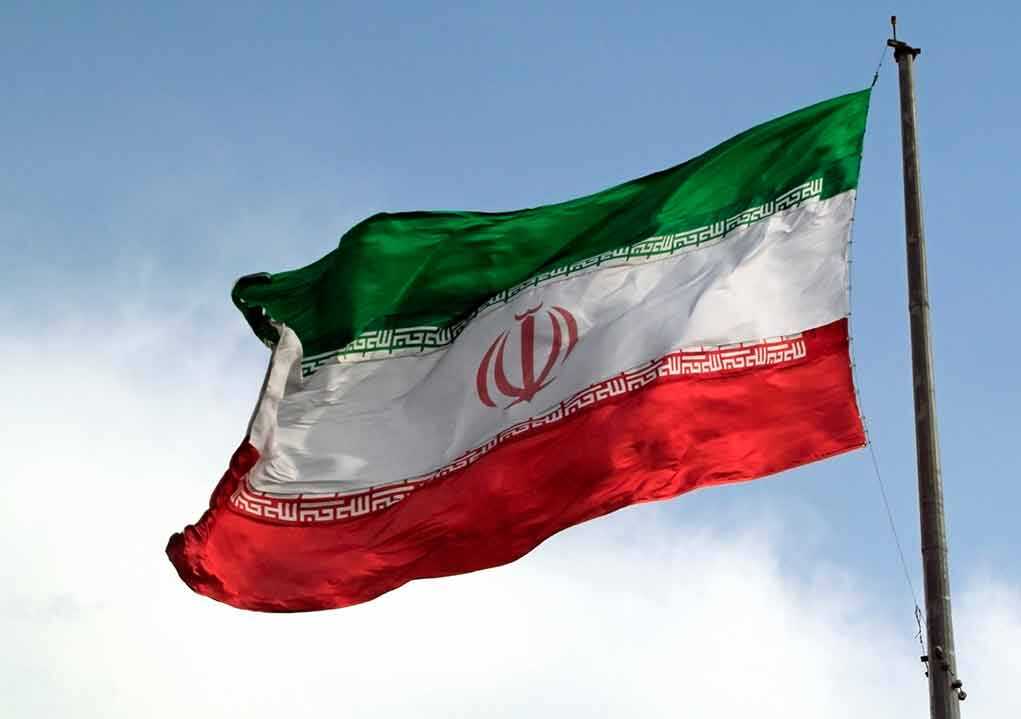
Iran’s president declared “we have no trust in the American side,” even as U.S. envoys pursue talks to keep the Strait of Hormuz open and stop attacks on global shipping.
Story Highlights
- Iran’s leader says Tehran has “no trust” in the United States and questions any path to an agreement.
- U.S. and Iran are holding indirect talks on a phased plan linking Hormuz reopening to pressure relief.
- Iran’s terms include lifting a naval blockade and releasing frozen assets, according to state-linked reports.
- President Trump says talks continue but that he has offered “nothing” in sanctions relief.
Iran’s Public Message Rejects Trust While Talks Continue
Iranian President Masoud Pezeshkian told a major outlet that Tehran “has no trust in the American side” and does not see how an understanding can be reached. He tied his stance to past talks that, he said, were followed by attacks and sanctions. That message suits Iran’s pressure play. It shifts blame while it seeks major concessions. It also signals to hardliners at home that Tehran will not bend. Yet, at the same time, Iranian officials keep a diplomatic door cracked.
Iran’s presidency website says Tehran is willing to continue talks, but only if Washington proves it will honor any deal in practice. This is not new. It repeats a pattern of “talk while pressuring.” Iran builds leverage, then demands relief. The United States faces a test: hold the line on core demands without gifting Iran cash or cover. American families and small businesses feel the cost when oil markets fear conflict. Keeping tankers safe keeps prices steady.
Phased Path Tied to the Strait of Hormuz and U.S. Leverage
United States and Iranian negotiators in New York are exploring a phased plan. The reported outline links Iran reopening the Strait of Hormuz to Washington lifting an economic blockade over time. This is high-stakes. The Strait carries a large share of the world’s oil. Any squeeze spikes fuel prices at home. Reuters reporting says Iran’s conditions also include releasing frozen assets and ending pressure across multiple fronts, according to state-linked accounts. Those terms look sweeping, and they aim to trade shipping access for broad relief.
U.S. messaging has centered on security basics. Reports say Washington wants Iran to publicly stop attacks on ships and keep all lanes open with no tolls. That demand is simple and fair. No nation should tax a global artery or harass neutral vessels. For conservatives, this is about peace through strength. Keep the waterway free. Do not pay ransom for behavior that international law already requires. Make any steps by the United States strictly conditional and fully reversible if Iran backslides.
What President Trump and Envoys Are Signaling
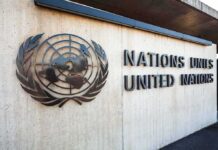
President Trump said the United States and Iran agreed to continue talks despite recent hostilities. He also said he offered “nothing,” rejecting claims that he would hand Iran sanctions relief or access to frozen funds. That stance backs a firm line: no up‑front giveaways. U.S. special envoy Steve Witkoff described indirect talks with mediators at the United Nations as lengthy and “constructive,” showing diplomacy is active but cautious. Clear goals and verifiable steps will determine if this path holds.
Iran-linked media and wire services described shuttles between delegations and said Tehran could reopen Hormuz within days if pressure eases. That timing claim raises risk. A rushed bargain could miss key safeguards or ignore Iran’s past violations. The better course is step-for-step. Iran must first stop attacks, reopen lanes, and allow outside checks. Only then should targeted and reversible U.S. measures be considered. That order protects American leverage and our allies while testing Iran’s word.
Why This Matters for U.S. Families, Energy Prices, and Security
Every slowdown in Hormuz hits energy markets and American wallets. Families who drive to work and heat their homes pay the price when tankers face threats. A free strait keeps gas prices stable and freight moving. It also supports U.S. industry and farmers who depend on affordable transport. The United States cannot let Iran turn a global lifeline into a bargaining chip. Rule of law on the seas protects American power, jobs, and national security. Strength deters chaos and lowers costs.
The pattern with Iran is mistrust and partial deals. That history demands tighter verification, not looser promises. Any agreement must be narrow, enforceable, and fast to snap back if Iran cheats. Congress and the American people should expect full transparency on terms and timelines. The Trump administration’s public position—talks without gifts, free passage without tolls—aligns with common sense. Protect shipping. Guard U.S. leverage. Deliver stability without funding Tehran’s aggression.
Sources:
mediaite.com, aljazeera.com, tbsnews.net, iranintl.com, reuters.com, yahoo.com, theguardian.com, cbsnews.com