

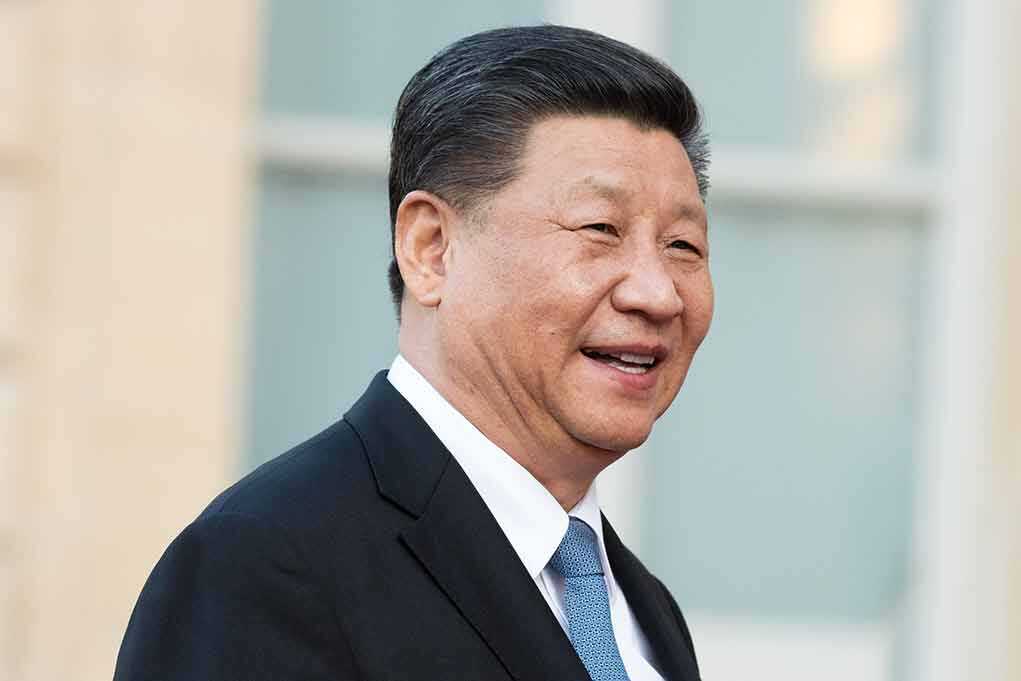
President Trump greeted China’s Xi Jinping planeside in Washington as both sides extended a fragile trade truce through January, signaling calm but not a reset.
Story Highlights
- Xi arrived for a rare U.S. state visit at President Trump’s invitation.
- Trump delivered an unusual tarmac welcome and later hosted a state dinner.
- The United States and China extended a limited trade truce into January.
- Talks focused on trade, technology, and preventing new flare-ups.
Xi’s State Visit Confirmed and Framed by Both Capitals
Chinese and American officials confirmed that President Xi Jinping’s trip is an official state visit at President Trump’s invitation. China’s embassy announcement dated September 21 laid out the dates from September 23 to 25, and named President Trump as host. The White House and major outlets said this is Xi’s first Washington visit in more than a decade, with full ceremony at the White House and a state dinner. The schedule features bilateral meetings, public remarks, and pageantry that signals stability.
President Trump greeted Xi at Joint Base Andrews with a rare planeside welcome before the formal meetings. News outlets called the greeting unusual and part of a larger push to keep tensions in check during talks on trade and technology. Coverage also noted a guest list heavy with American tech leaders at the state dinner, underscoring the focus on artificial intelligence and supply chains during this visit. The optics aimed to project respect while pressing U.S. interests.
Trade Truce Extended to Buy Time and Reduce Risk
United States Treasury Secretary Scott Bessent said the two sides extended the trade truce into January. He described the extension during a television interview as Xi landed in Washington. Financial and business outlets reported the truce helps keep tariffs lower for longer and keeps key materials, such as rare earths, flowing to American supply chains. The move buys time for talks and eases pressure on American farmers, manufacturers, and consumers during the holiday season.
Analysts described the broader U.S.-China track this year as “managed calm” rather than a final deal. A spring summit produced stability but not a breakthrough on deeper disputes, including technology rules and market access, according to reporting on that meeting’s aftermath. Expectations for this week’s talks were similar: prevent shocks, hold the line on tariffs, and keep communication open. That approach keeps leverage on the table while guarding American jobs from sudden policy whiplash.
What Was on the Table: Trade, Tech, and Guardrails
Think tanks and major outlets said both leaders focused on near-term practical steps. Trade was central, but technology, artificial intelligence, and export controls also drew attention. China seeks predictability while facing a soft economy. The United States seeks fair play, secure supply chains, and protection of key technologies. The talks aimed to narrow risks of sudden tariffs or tech bans while each side maintains core red lines. That creates guardrails without giving up long-term leverage.
Coverage ahead of the summit highlighted that heavy pageantry often pairs with few immediate deliverables in U.S.-China meetings. Experts forecasted a limited package rather than sweeping agreements. The trade truce extension matched those forecasts while still serving American interests in stability. It is not a reset. It is a time-out that keeps markets steady while the administration presses for stronger terms that protect workers, farmers, and small manufacturers here at home.
Why This Matters to American Families and Businesses
A stable truce lowers the risk of sudden price spikes on everyday goods. It also helps farmers plan shipments and keeps factories supplied with crucial inputs. Reports noted that the truce’s performance has been uneven, but it still discourages escalation that could hit family budgets and small businesses hard. The Trump administration’s line is clear: hold firm on unfair practices, defend American technology, and use talks to shield our economy from shocks while demands are enforced.
Chinese President Xi Jinping said that China and the US should embrace healthy competition, avoid confrontation, and jointly explore the right way to get along.
The speech was made at a welcome ceremony hosted by the US President Donald Trump at the White House on Thursday.
Xi… pic.twitter.com/IytgIeE7Bv
— CGTN Europe (@CGTNEurope) September 25, 2026
This visit does not end the rivalry. It sets guardrails while the United States strengthens its position. The optics of a warm welcome do not change the mission: fair trade, secure tech, and respect for American rules. The truce through January gives negotiators time to push for concrete wins. The measure of success will be whether promises turn into real gains for American jobs, farms, and family budgets in the months ahead, not the speeches or the toasts.
Sources:
townhall.com, abcnews.com, whitehouse.gov, deseret.com, nytimes.com