

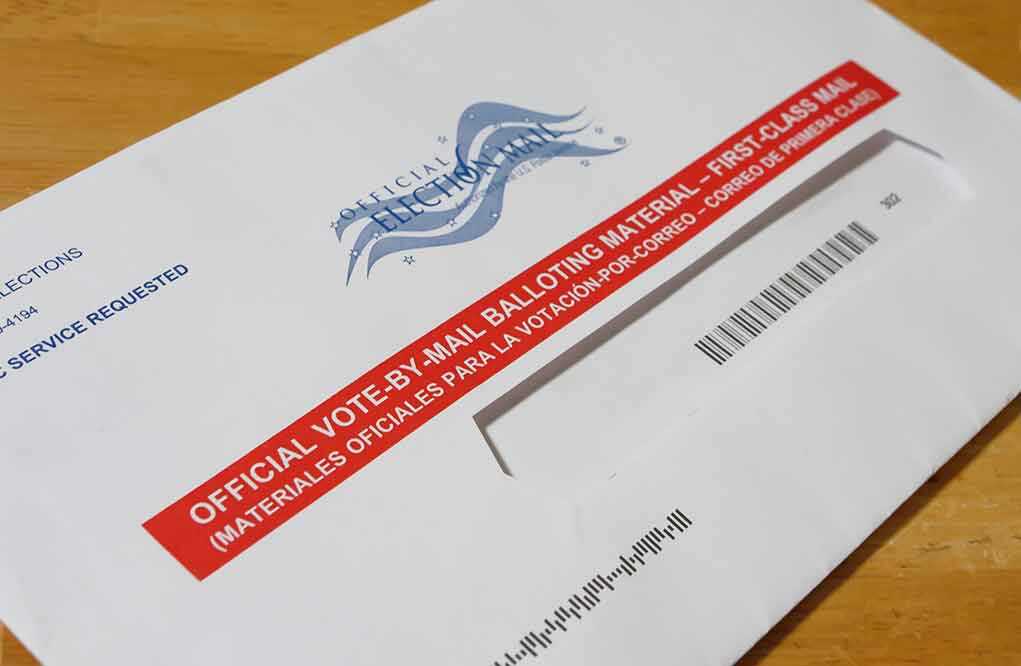
A whistleblower says the Postal Service built a brand-new ballot-screening portal on the fly for November, risking mail delays that could keep legal votes from ever reaching voters.
Story Snapshot
- An anonymous federal official alleges USPS rushed an untested ballot portal, risking election mail disruptions.
- Courts have allowed parts of the administration’s mail-ballot policy to proceed heading into November.
- USPS says it spent months on the portal and followed court orders while finalizing the system.
- The portal would verify ballot mailings against state lists before acceptance, shifting USPS closer to a gatekeeper role.
Whistleblower Flags “Rushed” Portal and Election Mail Risks
Senator Richard Blumenthal released a letter transmitting an anonymous complaint from a federal official who warned that the United States Postal Service built an “entirely new and untested” Federal Ballot Mail Portal through a “secretive, rushed, chaotic, and fundamentally flawed” process. The complaint says the new verification steps could snarl mail ballot workflows at scale. News reports say the system could reject ballot mailings that do not match uploaded lists, risking delays or refusals close to Election Day.
Reporters have described the new design as a major change from past practice, where the Postal Service acted as a neutral carrier, not an election gatekeeper. The complaint warns that last-minute technology shifts will strain already tight timelines for ballot printing, entry, and delivery. The concern is simple and urgent: if the portal is not stable and precise, legitimate ballot mail could be held up, returned, or refused during the busiest mailing window of the year.
Court Actions Set the Legal Stage Before November
A recent ruling by the Supreme Court cleared a key path for implementing parts of the administration’s order, including list-based checks tied to ballot mailings. A federal district judge later lifted a remaining block, leaving no nationwide injunction against applying the policy to November election mail, according to coverage at the time. These steps mean the Postal Service’s new verification posture could be in play unless future court action narrows it.
States and advocacy groups still contest the scope of the Postal Service’s authority. They argue that election administration belongs to states and that federal screening risks new barriers and confusion for lawful voters who choose to vote by mail. The legal fight centers on whether the Postal Service can condition acceptance of ballot mail on state-submitted lists and barcode matching, which could move it beyond a carrier role into a de facto checkpoint.
What USPS Says About Testing, Timing, and Use
The Postal Service says it spent months developing the Federal Ballot Mail Portal to give election officials a simple, secure way to share lists of voters who receive ballots by mail, and that all work complied with court orders. The agency says it is finalizing the system and will provide training materials so election offices can learn how to use the platform before making choices about adoption. The agency’s own materials say the portal is the sole data source for outbound ballot verification prior to acceptance.
That official description underscores why readiness matters. If the portal is the only data source used to verify ballot mailings, then any data error, mismatch, or system outage could stall acceptance at the counter during peak intake. The whistleblower’s central claim is not about policy goals but about operational risk: a late, untested change to core mail flows invites failure when the stakes are highest. The Postal Service disputes that charge and says it followed the rules while preparing the system.
Why This Matters to Election Integrity and Limited Government
Conservatives support clear rules, secure rolls, and on-time mail that treats every lawful ballot the same. A portal that screens mail before acceptance could help catch bad data, but only if it is rock solid, transparent, and narrow in scope. Rushed rollouts often break trust and break systems. The safer path is targeted verification with clear due process, strong audit trails, and no broad power that lets a federal carrier decide what lawful state election mail can move.
Election integrity depends on both security and execution. States must keep accurate lists. The Postal Service must deliver mail fast and fairly. If a new federal chokepoint slows or stops legal ballot envelopes, voters lose. The facts show real whistleblower warnings and firm Postal Service assurances. Between now and November, the test is simple: prove the system works under load, publish clear rules, and keep the carrier’s role limited to carrying the people’s mail, not controlling it.
Sources:
votebeat.org, bipartisanpolicy.org, pbs.org, spectrumlocalnews.com, nytimes.com, supremecourt.gov, about.usps.com, votingrightslab.org