

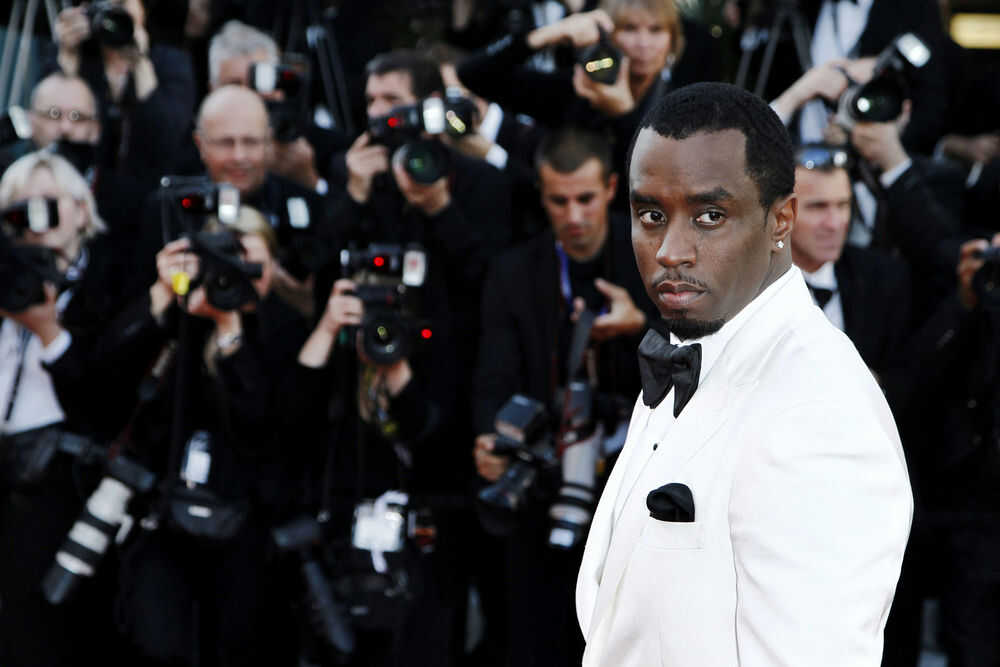
A convicted hip-hop mogul tried to cash in on Trump’s pardon power, but this time the door stayed firmly shut.
Story Snapshot
- Sean “Diddy” Combs sent President Trump a personal letter begging for a pardon.
- Trump confirmed the request but said he is **not considering** clemency for Combs.
- Combs was convicted on two federal Mann Act counts tied to prostitution, not sex trafficking.
- Official White House statements and Trump’s own words slam the brakes on “pardon buzz.”
Diddy’s Letter to Trump: A High-Profile Plea That Went Nowhere
Sean “Diddy” Combs did not go through normal Justice Department channels for mercy; he wrote straight to the top, sending President Donald Trump a personal letter asking for a presidential pardon. The letter arrived in late 2025, after his conviction and sentencing, and Trump later confirmed he received it and that it was a direct plea for clemency. For conservatives, this is a textbook example of a famous felon trying to bypass the system by leaning on star power and past political connections.
Reporters only learned the letter existed after Trump himself described it in an in-depth interview with The New York Times, saying Combs “asked me for a pardon… through a letter.” Trump even teased that he might show the letter to journalists, but he ultimately kept it to himself, leaving the exact wording and arguments hidden from public view. That secrecy has fueled endless online chatter and speculation, but it also underscores a key point: the constitutional pardon power belongs solely to the president, and he decides what stays private.
What Combs Was Convicted Of — And What He Was Not
Before the letter, Combs faced a long, ugly federal trial in New York built around claims of sex trafficking, violence, and abuse inside his circle. After eight weeks of disturbing testimony, the jury acquitted him of the most serious sex trafficking and racketeering conspiracy charges, but still found him guilty on two counts under the Mann Act for transporting individuals across state lines for prostitution. Those convictions led to a 50‑month federal prison sentence, a $500,000 fine, and five years of supervised release once he gets out.
Combs’ lawyers have fought hard to paint the case as government overreach, filing a 62‑page motion for acquittal or a new trial and claiming the acts involved consensual adult behavior, part of a “swinger lifestyle,” not trafficking. They argue that some evidence, including graphic hotel footage of Combs assaulting Cassie Ventura, unfairly poisoned jurors’ minds even though it was not tied directly to the Mann Act charges. Whatever the legal merits, the reality today is simple: a jury convicted him, a federal judge sentenced him, and he is now serving his time while his appeals work slowly through the courts.
Trump’s Clear Answer: No Pardon, Not Even Close
Early rumors and entertainment‑media leaks suggested Trump was “seriously considering” a pardon for Combs before sentencing, feeding a narrative that celebrity status and insider access might earn him a shortcut out of prison. But Trump shut that talk down as the facts hardened. In public comments and again in the New York Times interview, he confirmed Combs had asked for a pardon and stated directly that he is not considering granting it. For a president often criticized for unpredictable pardon decisions, this was a rare, firm line.
A White House spokesperson backed that up by blasting a TMZ-style report that Trump was wavering on a commutation, calling the story “completely false” and stressing that unnamed sources do not speak for the president on clemency. That official pushback matters. In past administrations, high-profile figures have sometimes benefited from backroom deals and political favors, but here the Trump White House made clear that gossip does not drive the pardon process. For readers worried about elite criminals dodging justice, this case shows the system holding a line instead of folding.
Celebrity Clemency, Constitutional Power, and Conservative Concerns
The Constitution gives the president broad power to grant reprieves and pardons for federal offenses, with almost no limits beyond impeachment cases. History shows that this “prerogative of mercy” is often influenced by personal relationships, politics, and public pressure, especially in high-profile cases involving celebrities and donors. Combs’ direct appeal fits that pattern: a wealthy entertainer tried to step around the normal Office of the Pardon Attorney review process and appeal directly to a president he believed might be swayed.
Many conservatives know how this can go wrong, from soft-on-crime commutations under past liberal presidents to pardons that reward political allies instead of upholding equal justice. In this case, however, Trump’s refusal to consider Combs’ plea sends a different signal. A man convicted of transporting people for prostitution is not getting a “get out of jail free” card because he is famous, connected, or once useful to the entertainment industry. For a base tired of two-tier justice, that denial lines up with core values: crime has consequences, and no celebrity letter should erase a jury’s verdict.
Sources:
feedpress.me, variety.com, abcnews.com, usatoday.com, rollingstone.com, reddit.com, youtube.com, facebook.com, nytimes.com, constitutioncenter.org, ballotpedia.org