

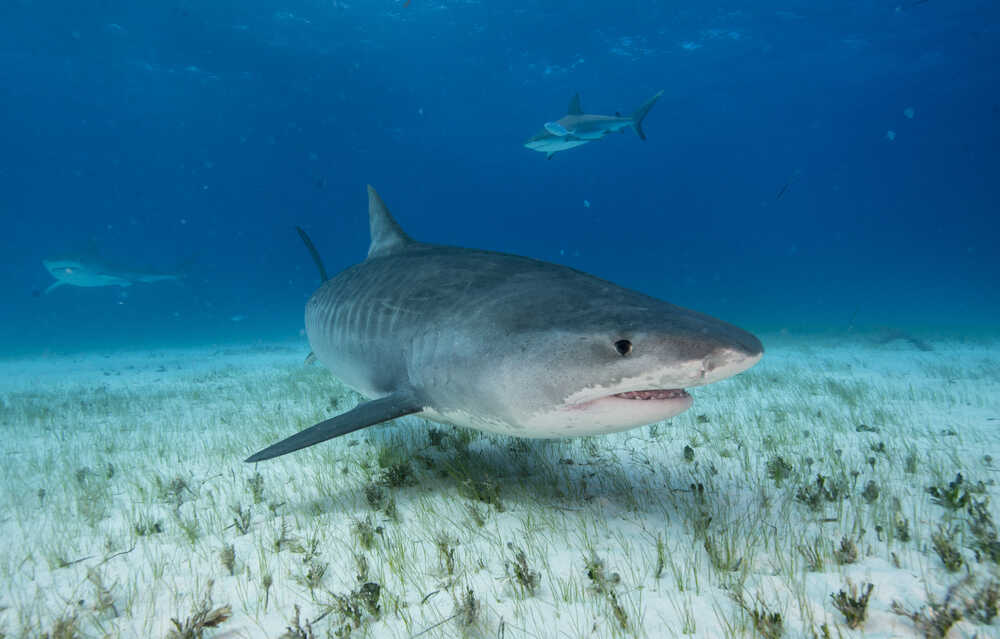
A packed New York beach saw a swimmer’s foot sliced open in waist‑deep water, in what officials now say was most likely a sand tiger shark bite.
Story Snapshot
- A swimmer at Jones Beach was bitten on the foot in waist‑deep water during a busy holiday crowd.
- Lifeguards described a single deep gash across the toes, with bone reportedly exposed.
- New York State Parks and state biologists say a juvenile sand tiger shark was the most likely culprit.
- Officials and media repeatedly label the event “suspected” and “minor,” even with reports of exposed bone.
Shark Bite At A Crowded Jones Beach
On a busy July afternoon at Jones Beach on Long Island, a swimmer was bitten on the foot while standing in waist‑deep water near the shoreline. The beach was packed for summer events, with crowds spread along popular fields and near the Central Mall. News outlets report that emergency crews and lifeguards moved quickly to pull the swimmer out of the surf and begin care for a serious foot injury. This incident is the first suspected shark bite in the New York City beach area since 2023.
Lifeguard sources described the wound as a single deep cut running along the toes, with white bone visible beneath the torn flesh. That type of clean, slicing gash is considered consistent with the bite of a small shark, which tends to clamp and release quickly rather than shred soft tissue. At the same time, several major outlets, including national television reports, told viewers the woman’s injuries were “minor cuts” to the foot and leg, creating a confusing split in how serious the damage really was.
Officials Say ‘Most Likely’ Sand Tiger Shark
New York State Parks officials and biologists with the New York State Department of Environmental Conservation reviewed photos of the wound and details from lifeguards before reaching a working conclusion about the animal. After that review, they told media the swimmer was “most likely” bitten by a juvenile sand tiger shark, a coastal species that is common off Long Island during summer migration and often cruises in shallow surf zones. This identification rests on wound shape and regional shark patterns, not on a captured shark, teeth, or DNA.
Reports stress that no shark was caught or directly examined after the bite, and no teeth fragments or tissue samples from a shark have been shown to the public. That lack of hard physical proof is why nearly every headline calls this a “suspected” shark attack, even while repeating the state’s “most likely sand tiger” language. Scientists who study shark attacks note that many modern cases are classified this way, since beach officials rarely kill or capture animals simply to confirm a bite when the victim is already out of danger.
Emergency Response And Mixed Injury Narratives
Emergency medical teams and lifeguards on the scene treated the swimmer, applied bandages, and transported the victim to a nearby hospital, where officials say the person is expected to make a full recovery. State Parks statements and national news segments describe the injuries as non‑life‑threatening and emphasize that the swimmer was alert when leaving the beach. At the same time, that “minor injuries” framing clashes with the local lifeguard account of exposed bone and a deep gash, which most people would not consider minor trauma.
This split matters for regular families who trust official warnings. Some social media users and commenters have tried to calm fears by comparing shark risk to everyday driving risk and mocking concern over what they view as a “benign sand shark” with mild bites. Others, including beachgoers who watched the rescue, argue that calling a bone‑deep wound “minor” is the latest example of big city institutions soft‑pedaling danger instead of speaking plainly. That pattern feels familiar to many conservatives who remember years of leaders downplaying crime, border chaos, and other threats.
Shark Safety, Government Messaging, And Public Trust
After the bite, officials pointed the public to existing “shark safety” tips rather than promising aggressive efforts to remove sharks from near‑shore waters. New York State Parks and the Department of Environmental Conservation urge swimmers to avoid areas with schools of fish, seals, or people actively fishing, and to stay close enough to shore that their feet can touch bottom. They also advise avoiding murky water and swimming in groups, and they tell visitors to follow lifeguard instructions and posted signs at all times.
🔁 @News12LI: SHARK ATTACK: Sources tell News 12 a swimmer was bit by a shark at Field 6 at Jones Beach State Park. #News12LI #LongIsland https://t.co/RPuYwgKp4t
— Long Island Connection (@LIConnection) July 3, 2026
In past Long Island shark events, New York authorities have tended to suspend swimming for a short time, fly drones and helicopters to scan the surf, and then reopen beaches once no sharks are spotted for at least an hour. That light‑touch, reopen‑quickly approach fits a broader pattern of risk messaging: leaders stress “smart” behavior and personal caution but stop short of tough action that might inconvenience crowds or hurt tourism. Many right‑leaning New Yorkers see the same style in other issues, from crime to illegal immigration, and worry that the bite at Jones Beach will be brushed off as just another “incident” instead of a wake‑up call for firm, transparent safety rules.
Sources:
independent.co.uk, facebook.com, youtube.com, mymedic.com, reddit.com, abc7ny.com