
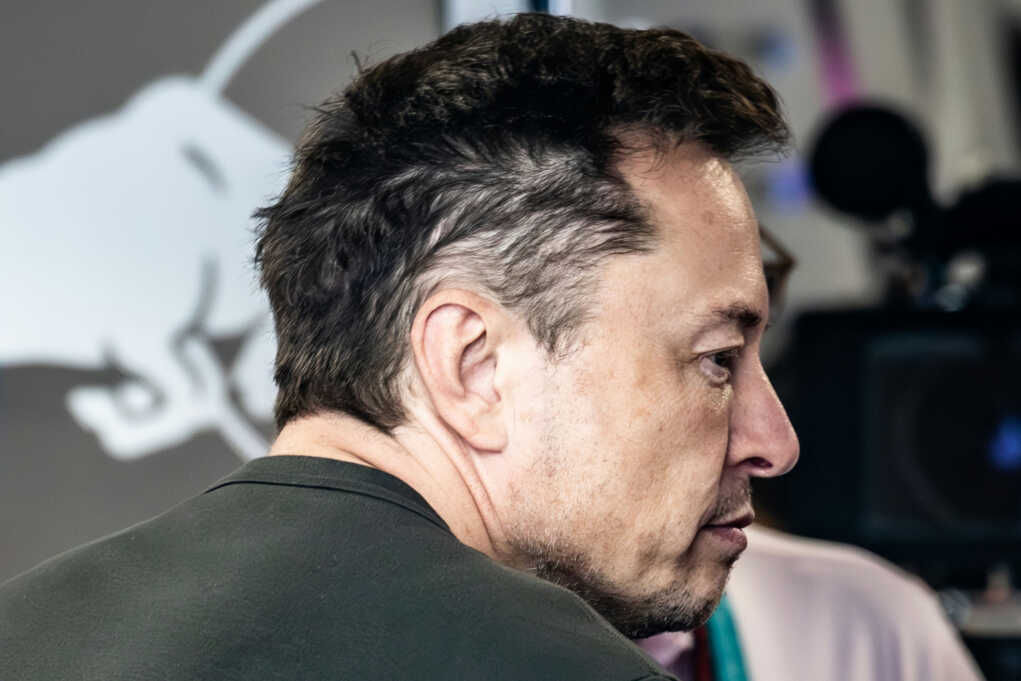
OpenAI’s trial ended with testimony that put Elon Musk’s early warning about a nonprofit mission back at the center of the fight.
Quick Take
- Musk’s own email told OpenAI executives he would keep funding only if the company stayed a nonprofit [2].
- His testimony said profit could not be allowed to “wag the dog” and distort OpenAI’s mission [2].
- Testimony also showed the dispute has become a broader fight over who controlled OpenAI’s shift toward commercialization [1].
- The trial touched on Reid Hoffman, a trophy joke in the courtroom, and other moments that underscored how personal the case has become [1][2].
Musk’s Written Warning Still Shapes the Case
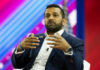
Elon Musk’s most useful evidence may be his own words. In a 955-word email discussed in court, he told OpenAI leaders, “Either go do something on your own or continue with OpenAI as a nonprofit,” and he said he would stop funding the company if it moved away from that structure [2]. That message matters because it gives his side a contemporaneous record of what he says he understood the deal to be.
Musk reinforced that point under oath by saying he was not entirely opposed to a for-profit side, but only if profits stayed limited and did not overtake the mission [2]. He described his view of OpenAI in “three phases,” ending with the claim that the company had “stole[n] a charity” [2]. For readers frustrated by elite institutions that shift rules after taking private money, that testimony will sound familiar.
Testimony Turned the Trial Into a Governance Fight
Sam Altman’s side pushed back by arguing that OpenAI’s board approved the move toward a for-profit structure, which complicates any simple claim that one man alone hijacked the company . That distinction matters. If the board approved the change, Musk must still prove why that approval was improper, deceptive, or inconsistent with the original mission. The current public record does not settle that legal question, even if it fuels the political and cultural argument.
The testimony also made clear that this case is not just about personality clashes. Reporting on the trial says Judge Yvonne Gonzalez Rogers previously trimmed some claims while allowing fraud and unjust enrichment theories to proceed. That narrowing matters because it strips away some of the broader rhetoric and leaves a more technical fight over money, trust, and who benefited from the company’s transformation. In other words, the case is about governance first and drama second.
Reid Hoffman, a Trophy, and the Public Spectacle
Reid Hoffman became part of the story after calling Musk’s lawsuit “sour grapes,” a line that fits the tech-world habit of turning serious disputes into social-media theater [2]. The courtroom atmosphere reportedly also included a “jackass trophy” joke and sharp exchanges that fed the sense of a billionaire feud playing out in public [1]. That kind of spectacle may entertain coastal media, but it often obscures the real issue: whether OpenAI stayed true to what backers were told at the start.
Microsoft feared being too dependent on OpenAI, Musk-Altman trial testimony reveals https://t.co/7DJ3fGP6JV
— C. MICHEL WEINBERG 🇫🇷🇪🇺✡️ (@CMichelW) May 13, 2026
Musk also told the court he had contributed $38 million in strict monetary terms, a number far below the public mythology that often surrounds his involvement [2]. That admission does not erase his argument, but it does show why this case is hard to reduce to a simple story of a betrayed benefactor. The more precise question is whether OpenAI honored the nonprofit premise Musk says he relied on, or whether its leaders used that premise as a stepping stone to a different business model.
Sources:
[1] Web – Sam Altman Testimony in Elon Musk Trial: Biggest Takeaways
[2] Web – Elon Musk’s OpenAI Trial Testimony: Annotated – The Ringer