

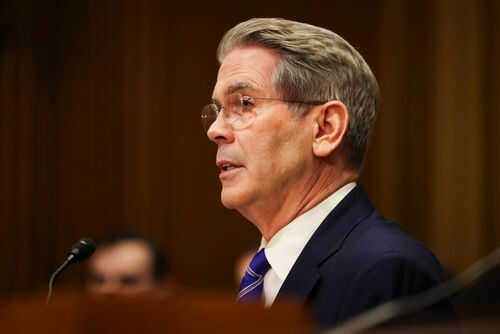
Treasury Secretary Scott Bessent’s high-stakes Tokyo meetings with Japanese Prime Minister Sanae Takaichi expose brewing tensions over currency manipulation that could reshape global trade dynamics and challenge America’s economic sovereignty.
Story Snapshot
- Bessent confronts Japan over $60 billion yen interventions that artificially weakened their currency against the dollar
- Meetings occur days before critical Trump-Xi summit, positioning currency policy as leverage in broader China strategy
- Japanese interventions benefit their exporters while hurting American competitiveness and American consumers through inflation
- Tokyo seeks U.S. blessing for market manipulation under guise of “stability” while Trump administration prioritizes America First trade policy
Currency Manipulation Threatens American Interests
Treasury Secretary Scott Bessent arrived in Tokyo on May 11, 2026, to address Japan’s aggressive currency interventions that totaled approximately 9.8 trillion yen, or over $60 billion, in recent months. These interventions, executed in April and early May, aimed to prop up the yen after it plummeted to decade-low levels exceeding 160 yen per dollar. The maneuvers directly benefit Japanese manufacturing giants like Toyota and Sony by making their exports cheaper, undercutting American manufacturers who play by market rules. This represents exactly the kind of economic gamesmanship that frustrates working Americans who see foreign governments rigging the system while Washington bureaucrats look the other way.
Deep State Coordination or America First Policy
Bessent’s May 12 meetings with Prime Minister Takaichi, Finance Minister Satsuki Katayama, and Bank of Japan Governor Kazuo Ueda reveal the complex dance between alliance management and economic nationalism. Japanese officials seek American understanding for their interventions, framing them as necessary to control domestic inflation and stabilize energy costs. However, this coordination raises fundamental questions about whether unelected financial bureaucrats across borders prioritize elite consensus over national interests. The Trump administration faces pressure to either condemn Japan’s actions as currency manipulation or tacitly approve measures that could undermine American export competitiveness and manufacturing jobs that this administration promised to protect.
Strategic Timing Before China Summit
The Tokyo meetings serve as a crucial prelude to President Trump’s May 14-15 summit with Chinese President Xi Jinping in Beijing. Bessent’s positioning on Japanese currency policy signals America’s broader stance on Asian economic relationships and creates leverage for the China negotiations. If the administration accepts Japan’s interventions while pressuring China on trade practices, it exposes potential double standards that Beijing will certainly exploit. Conversely, a firm stance against Tokyo’s market manipulation strengthens Trump’s hand against Chinese economic aggression but risks alienating a key security partner. This delicate balancing act demonstrates how deeply interconnected global financial systems have become, often at the expense of transparent accountability to American voters.
Economic Elites Versus Working Americans
The currency discussions underscore a fundamental tension that resonates across the political spectrum: financial elites in Tokyo, Washington, and Wall Street coordinate policies that often leave ordinary citizens bearing the costs. Japanese households face inflation from a weaker yen that makes imports expensive, while American workers watch foreign competitors gain artificial advantages. Financial analysts from institutions like Macquarie and Goldman Sachs debate intervention effectiveness in technical terms, but these decisions impact real families struggling with cost-of-living increases. The meetings highlight how unelected technocrats at Treasury departments and central banks wield enormous power over economic outcomes with limited public oversight, reinforcing the perception that government serves insiders rather than the people who elected them to protect American interests first.
Uncertain Outcomes and Market Implications
As of the May 12 meetings, no official outcomes have been announced, leaving markets and observers to speculate about agreements reached behind closed doors. Japanese officials expressed hopes for “fruitful discussions” and strengthened bilateral ties, diplomatic language that often masks substantive disagreements. The lack of transparency fuels concerns that deals benefiting financial elites may emerge without public scrutiny. Currency markets remain volatile, with the dollar-yen rate hovering around 155 following Japan’s interventions, reflecting trader uncertainty about U.S. policy responses. Whether Bessent secures commitments limiting future interventions or accepts Tokyo’s actions as legitimate remains unclear, demonstrating how consequential international financial negotiations occur far from democratic accountability and public awareness.
Sources:
U.S. Treasury Chief to Meet with Japan PM Takaichi Tues.
Japan Week Ahead: US Treasury Secretary Bessent Goes to Tokyo on Way to US-China Summit