
Governor Wes Moore’s bold termination of the Key Bridge’s Phase 2 contractor exposes a $5.2 billion project’s spiraling costs and shattered “fastest-moving” promise—what happens when politics collides with taxpayer dollars?
Story Snapshot
- Maryland Governor Wes Moore cancels Kiewit Infrastructure Co.’s contract for Phase 2 after costs ballooned 189% from $1.8 billion to $5.2 billion.
- Federal scrutiny from U.S. Transportation Secretary Sean Duffy targets DEI contracting practices amid timeline delays.
- Phase 1 work continues, but new contractor search risks further delays to the 2028 completion target.
- Moore defends the move as protecting speed, safety, and savings, while Duffy claims credit for fiscal oversight.
- Port of Baltimore faces prolonged disruptions, costing millions monthly in economic activity.
Bridge Collapse Ignites Urgent Rebuild
The Francis Scott Key Bridge collapsed on March 26, 2024, when a container ship struck a pier in Baltimore’s Patapsco River. Six workers died, port operations halted, and a vital corridor vanished. Governor Moore launched reconstruction immediately, promising the nation’s fastest large infrastructure recovery with a 2028 deadline. Federal funds flowed, but early optimism masked brewing troubles.
Cost Explosion and Contractor Standoff
Project estimates jumped from $1.8 billion to $5.2 billion by early 2025, exceeding typical 20-30% overruns for major builds. Kiewit Infrastructure Co., awarded Phase 2 for design finalization, pile driving, and spans, submitted proposals far above state figures with extended timelines. Weeks of negotiations failed. On April 28, 2026, Maryland Transportation Authority terminated the deal, citing unacceptable terms.
Governor Moore Asserts Control
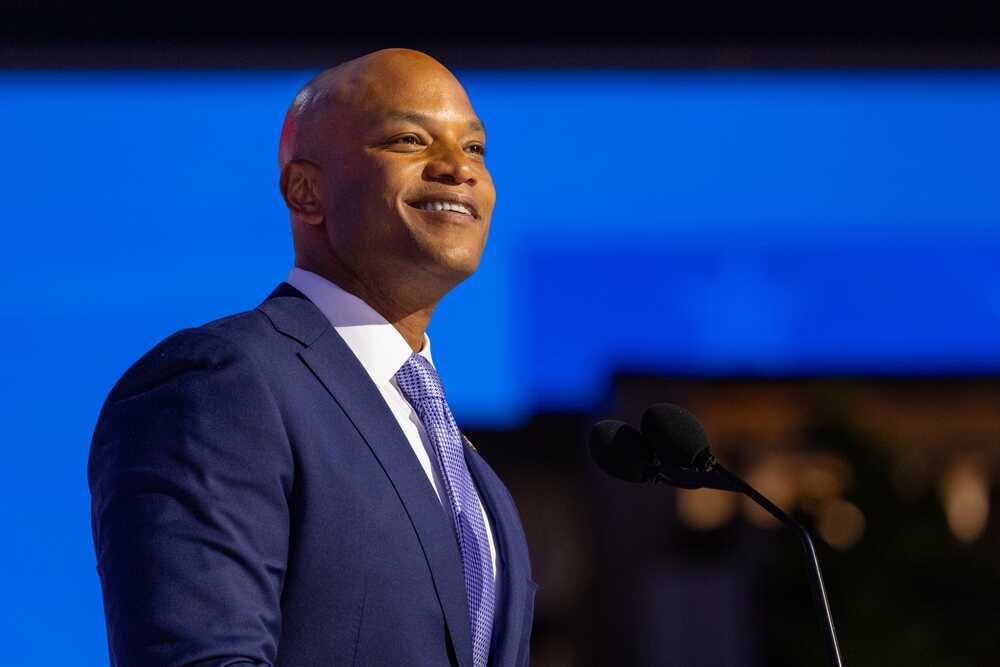
Governor Moore stated, “I made the decision to move on,” reaffirming priorities of speed, safety, and cost savings. He thanked Secretary Duffy for support but stressed state authority. Phase 1 advances uninterrupted with geotechnical work and foundation piles. MDTA now hunts a replacement for guaranteed maximum price talks. Moore’s “fastest-moving” claim faces reality checks from these setbacks.
Federal Pressure on DEI Practices
U.S. Transportation Secretary Sean Duffy warned Governor Moore in late April 2025 about 31.5% Disadvantaged Business Enterprise goals set by executive order. Duffy demanded efficient use of federal dollars, scrutinizing race- and sex-conscious contracting under Trump Administration policy. This federal leverage highlights tensions: states manage projects, but Washington controls the purse. Common sense favors merit-based bidding to curb waste.
Delays Threaten Port and Taxpayers
Procuring a new contractor adds 3-6 months, pushing back Phase 2 mobilization and risking the 2028 finish. Port of Baltimore loses over $100 million monthly from disruptions, hitting supply chains and jobs. Taxpayers bear rising costs from federal, state, insurance, and advance funds. Regional businesses endure detours; construction employment stalls. Litigation looms if Kiewit sues over termination.
Power Struggles Reshape Infrastructure
Federal-state friction escalates, with Duffy framing the split as a win for taxpayers. Moore balances collaboration and autonomy. This sets precedents: heightened oversight on DEI, riskier bids for contractors, potential shifts to federal-led projects. Conservative values demand accountability—DEI mandates often inflate costs without delivering results, as this 189% surge proves. Efficiency must trump ideology.
Sources:
Key Bridge Contract Canceled: Gov. Wes Moore’s ‘Fastest Moving’ Claim Tested
Maryland Gov. Wes Moore defends decision to replace Key Bridge contractor
Gov. Moore defends Key Bridge project amid federal scrutiny over minority contracting