
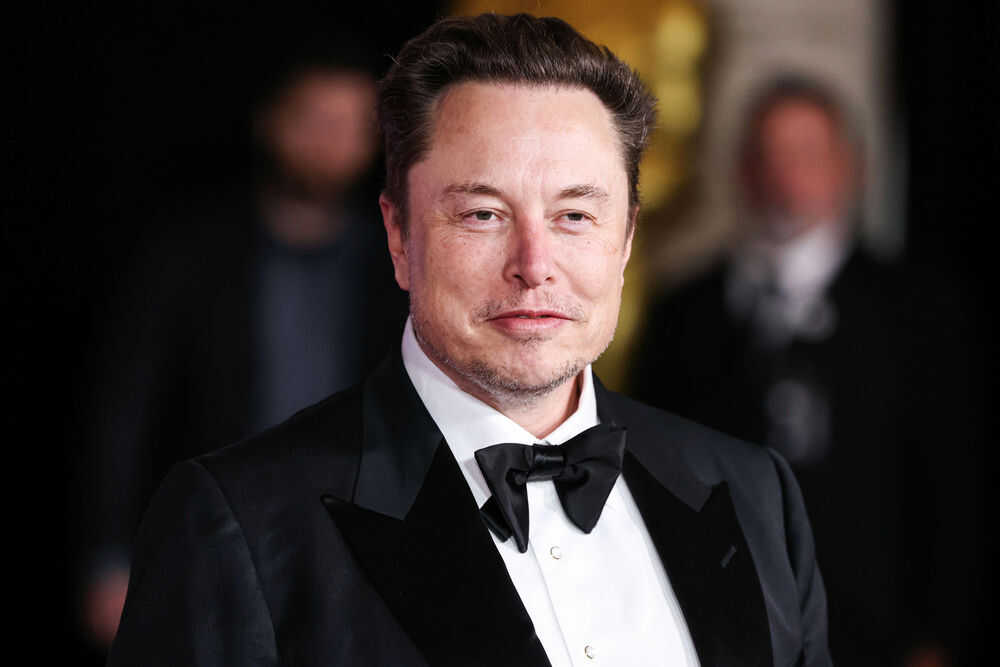
A federal judge has blocked enforcement of Colorado’s sweeping AI regulation after Elon Musk’s xAI and the Trump administration’s Department of Justice joined forces to challenge the law as an unconstitutional attempt to force “woke DEI ideology” into artificial intelligence systems.
Story Snapshot
- Federal court halts Colorado’s AI discrimination law on April 27, 2026, following constitutional challenges from xAI and DOJ
- Trump administration argues law illegally compels tech companies to embed state-preferred ideology into AI products
- Colorado’s own Attorney General surprisingly supports blocking enforcement, signaling doubts about law’s viability
- Ruling marks first major federal intervention against comprehensive state AI regulation, potentially setting nationwide precedent
Federal Court Blocks Colorado AI Law
Federal Judge Cyrus Y. Chung issued a temporary restraining order on April 27, 2026, preventing Colorado from enforcing Senate Bill 24-205, one of the nation’s most comprehensive AI regulations. The law was designed to prevent algorithmic discrimination in housing, employment, education, and healthcare decisions affecting Colorado residents. The court’s decision came after xAI, the artificial intelligence company owned by Elon Musk, filed suit on April 9 claiming the regulation violates the First Amendment by compelling AI developers to redesign their systems according to state-mandated ideological preferences.
Trump DOJ Intervenes Against State Regulation
The Department of Justice intervened in the lawsuit on April 24, 2026, filing its own complaint against Colorado’s AI law just days before the court’s ruling. DOJ Assistant Attorney General Harmeet K. Dhillon characterized the regulation as forcing companies to “infect their products with woke DEI ideology,” describing it as “a radical, far-left worldview at odds with the Constitution.” The intervention reflects the Trump administration’s stated policy of establishing “global AI dominance through a minimally burdensome national policy framework,” positioning state-level regulations as obstacles to innovation and technological leadership.
Constitutional Arguments Challenge State Authority
xAI’s lawsuit argues that complying with Colorado’s requirements would force the company to redesign, retrain, or constrain its Grok AI model by recalibrating information inclusion, hard-coding guardrails, or re-weighting training datasets. The company maintains these editorial decisions constitute protected expression under the First Amendment’s compelled speech doctrine. The DOJ’s complaint takes a different constitutional approach, arguing the law violates the Equal Protection Clause by requiring prevention of unintentional disparate impact while simultaneously exempting discrimination designed to advance “diversity” or “redress historic discrimination.”
Colorado’s Own Officials Question Law’s Viability
In an unusual development, Colorado Attorney General Phil Weiser agreed with plaintiffs that the court should temporarily block enforcement, citing the likelihood of wholesale legislative revisions. Colorado lawmakers themselves proposed completely rewriting the bill and delaying its effective date until 2027 in March 2026, signaling internal doubts about the law’s workability. The legislature faces a May 13 deadline to make changes before the law’s original June 30, 2026 implementation date. This lack of unified state support significantly weakened Colorado’s defensive position in the litigation.
Implications for State Regulatory Power
The ruling represents the first major federal court intervention blocking a comprehensive state AI law, potentially establishing precedent for challenging similar regulations nationwide. The case threatens to erode state authority to regulate AI systems affecting residents, with federal courts favoring First Amendment and Commerce Clause limitations on state power. xAI challenged the law on Commerce Clause grounds, arguing it effectively regulates AI development outside Colorado by applying to any system affecting Colorado residents. This raises fundamental questions about state regulatory reach in the digital economy where AI systems operate across borders.
What Happens Next
The court approved a joint request to suspend enforcement and stay litigation deadlines pending further legislative and regulatory developments. Any actions taken by companies within 14 days after the court’s ruling on xAI’s anticipated motion for a preliminary injunction will not be subject to the Colorado law, creating a safe harbor period for AI developers. Colorado lawmakers must now decide whether to substantially revise, delay, or defend the law within two weeks, while AI companies face continued uncertainty about the regulatory landscape. The outcome could determine whether AI regulation occurs primarily at the federal level through the Trump administration’s “minimally burdensome” approach or through industry self-regulation, rather than state-level consumer protection laws.
Sources:
Colorado’s Impending AI Law Thrown Into More Doubt by Court Ruling – Fisher Phillips
DOJ Intervenes in Lawsuit Challenging Colorado’s Algorithmic Discrimination Law – Baker Tilly
Colorado Two-Step: Federal Court Pauses Enforcement of Colorado’s AI Law – Baker McKenzie
Colorado’s Unprecedented AI Law Can’t Be Enforced Yet, Judge Rules – Colorado Politics
xAI Sues Over Yet Another Colorado Law That Threatens Free Expression – Cato Institute