

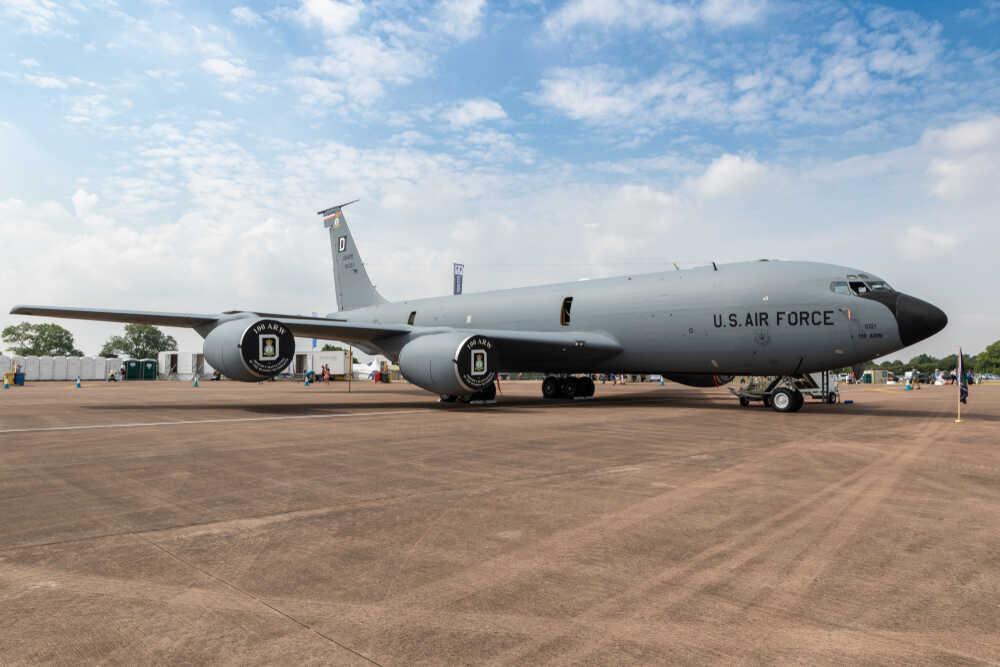
A sudden inferno at a U.S.-linked bomber hub in Britain shows how fast a routine accident can ignite geopolitical panic—and fresh questions about security.
Quick Take
- A large fire tore through a single-storey building inside RAF Fairford in Gloucestershire early Sunday, April 26, 2026.
- Officials said the blaze was contained, with no injuries reported and no damage confirmed to U.S. aircraft stationed there.
- Early indications from fire officials pointed to an accidental cause, though an investigation remains ongoing.
- The timing drew attention because protests occurred outside the base the day before and the site supports U.S. bomber activity tied to the Iran conflict.
What happened at RAF Fairford—and what officials are saying
Gloucestershire Fire and Rescue Service responded in the early hours of April 26 after reports of a major fire at RAF Fairford, a Royal Air Force installation frequently used by the U.S. Air Force. Reports described thick smoke, visible flames, and a roof collapse at a single-storey structure described as an industrial storage facility or an old, disused building. Officials later said the fire was brought under control, with crews remaining on scene to prevent flare-ups.
UK Ministry of Defence messaging emphasized that the incident was confined “inside the wire” and did not involve injuries. Fire officials similarly indicated that no casualties were recorded and that early signs pointed away from foul play. That matters because the base’s name alone can trigger speculation: RAF Fairford has hosted high-profile U.S. strategic bombers, and in the current climate, any disruption—real or rumored—can be amplified before verified details catch up.
Why this base matters during the Iran conflict
RAF Fairford’s strategic relevance comes from decades of U.S. bomber deployments, with the installation serving as a key platform for long-range aircraft rotations dating back to the Cold War era. In 2026, that history has immediate relevance: multiple reports tied the base to U.S. bomber operations described as “defensive” missions connected to the ongoing conflict with Iran. Even when a fire hits a non-operational building, the location alone can create headlines suggesting broader military impact.
So far, public reporting has not shown confirmed operational disruption from the fire. The clearest, verifiable facts are narrower: a building burned, responders contained it, and official statements stressed the lack of injuries and the absence of confirmed aircraft damage. For Americans watching from afar, that distinction is important. A story framed as “attack on a bomber base” carries very different implications than “isolated fire in a disused structure,” especially when tensions overseas are already high.
Protests, timing, and the sabotage narrative problem
Media coverage noted that roughly 200 anti-war protesters demonstrated outside RAF Fairford on April 25, the day before the fire. That timing predictably fueled online speculation that the blaze could be sabotage or politically motivated. At this stage, the available official statements cut against that narrative: fire officials cited early indications of an accidental cause, and the investigation was described as ongoing rather than conclusive. No publicly cited evidence has been presented tying the protest to the incident.
This is where information ecosystems—and political distrust—collide. Conservatives often point to institutional failure and a reflex for authorities to manage narratives, while many on the left fear militarization and overseas escalation conducted without public consent. The Fairford fire shows how both instincts can be manipulated: dramatic visuals can drive claims that exceed the evidence, while sparse official detail can leave room for suspicion. The responsible reading remains the same—separate verified facts from viral inference.
The bigger takeaway: infrastructure risk and alliance politics
Even an accidental fire has consequences in an era when voters across the spectrum doubt government competence. A base supporting coalition operations is critical infrastructure, and any incident invites scrutiny about physical security, aging facilities, and emergency readiness. The reported location—an older or disused building—also points to a mundane but persistent risk: neglected infrastructure can become a vulnerability in the worst possible moment, especially during heightened threat environments.
Politically, it also underscores the strain inside allied democracies when foreign policy decisions meet local resistance. UK communities near facilities like Fairford can see protests grow when they believe their towns are being drawn into conflict. American audiences, meanwhile, watch for signs that allied basing arrangements remain stable and secure while Washington pursues its objectives. With limited public detail beyond initial statements, the most grounded conclusion is also the least sensational: the fire appears contained, accidental is the leading early explanation, and investigators still have work to do.
Sources:
VIDEO: Fire erupts at UK air base used by US bombers
RAF Fairford fire: Huge blaze at base used by US Air Force amid Iran war in Gloucestershire