
Secretary of State Marco Rubio’s blunt call for regime change in Cuba has ignited enthusiasm among conservatives who remember voting for a president promising to end endless wars, not start new crusades against failed communist states while Americans grapple with soaring energy costs and an Iran conflict that wasn’t part of the deal.
Story Snapshot
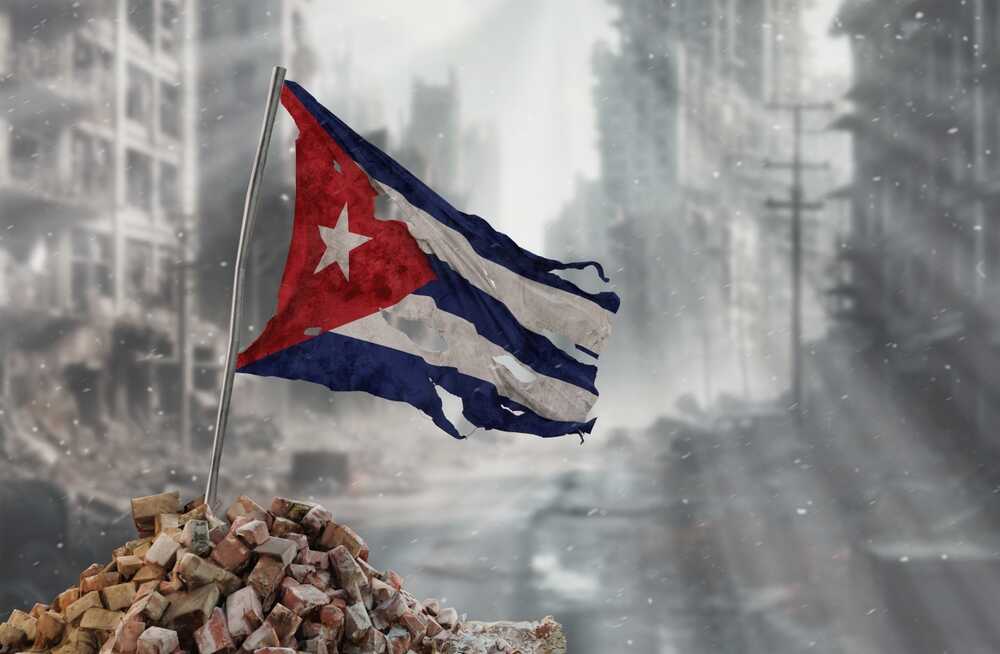
- Rubio explicitly demanded Cuba’s communist government fall on March 27, 2026, declaring economic reform impossible without regime change
- His hawkish stance draws praise from traditional anti-communist conservatives but raises questions among MAGA base fatigued by foreign interventions
- February Munich speech laid groundwork, warning Europe about civilizational threats while America fights another Middle East war
- Conservative supporters face tension between principled anti-communism and Trump’s broken promise to avoid new conflicts
Rubio’s Regime Change Declaration
Marco Rubio delivered an unambiguous message on March 27, 2026, stating that Cuba’s economy cannot recover unless its communist government collapses. The Secretary of State framed economic failure as inseparable from political tyranny, positioning himself as a hardliner against leftist regimes. His Cuban-American heritage adds personal weight to these comments, resonating with exile communities who fled Castro’s dictatorship. Yet this aggressive posture arrives as Trump supporters question why their administration is entangled in Iran rather than focusing on domestic priorities like border security and lowering gas prices that remain stubbornly high.
Munich Warning and Post-Cold War Critique
Rubio’s February 14, 2026, Munich Security Conference speech set the stage for his Cuba comments, condemning post-Cold War policies that outsourced American manufacturing to China, embraced unfettered migration, and weakened Western sovereignty. He invoked Soviet threats like the Berlin Wall and Cuban Missile Crisis as cautionary tales against complacency. Defense analysts praised this as a reality check on globalism’s failures, urging European allies to rearm and secure borders. For Americans promised an end to nation-building, however, Rubio’s vision of reindustrialization and civilizational defense rings hollow when paired with a war in Iran that drains resources and lives without clear connection to constitutional priorities or energy independence.
Conservative Base Divided on Foreign Adventurism
Traditional right-wing voters applaud Rubio’s anti-communist clarity, seeing it as principled opposition to tyranny that contrasts with decades of soft diplomacy. His rhetoric defends Western values and challenges UN bureaucracies accused of eroding national sovereignty. Yet a growing faction within the MAGA coalition feels betrayed. They voted to dismantle the administrative state, secure the southern border, and avoid regime change wars that enrich defense contractors while American families struggle. The Iran conflict exemplifies this frustration: another foreign entanglement without transparent justification, pushing energy costs higher and diverting attention from illegal immigration and fiscal mismanagement at home.
Rubio’s Cuba stance may energize Cuban exiles and Cold War-era conservatives, but it underscores a troubling pattern. The administration promotes America First rhetoric while pursuing interventions reminiscent of Bush-era neoconservatism. Supporters who endured woke policies, inflationary spending, and open borders now watch their government prioritize foreign government overthrows over constitutional governance, gun rights protections, and affordable energy. This disconnect threatens to fracture the coalition that delivered Trump’s second term, as voters demand leaders honor promises to keep America out of wars that serve globalist agendas rather than everyday citizens crushed by policies Rubio himself once criticized.