
Russia is now openly using World War III talk to box in Trump’s Iran war—while many MAGA voters are asking why America is back in another Middle East fight at all.
Story Snapshot
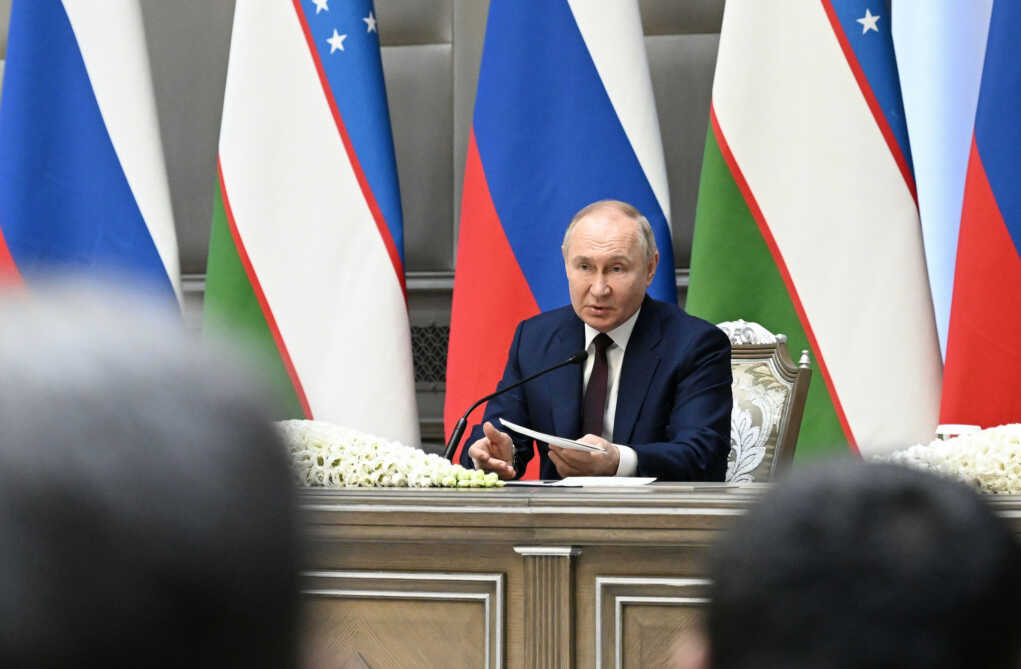
- Kremlin spokesman Dmitry Peskov, speaking for Vladimir Putin, urged urgent de-escalation and warned of “irreparable consequences” as the U.S.-Iran war intensifies.
- Russian Security Council official Dmitry Medvedev escalated the rhetoric days later, warning World War III would “undoubtedly” begin if the U.S. pursues regime change.
- Medvedev argued U.S. strikes and the killing of Iran’s Supreme Leader Ayatollah Ali Khamenei will push Iran toward nuclear weapons “with triple the energy.”
- Russia’s split-screen messaging—cautious diplomacy from Peskov and brinkmanship from Medvedev—signals deterrence without committing to direct war.
- For U.S. conservatives already exhausted by inflation and high energy prices, the war’s economic blowback and open-ended goals are fueling fresh backlash.
Putin’s Official Line: “Catastrophically Tense,” Push Diplomacy
Dmitry Peskov delivered Moscow’s formal message after U.S. and Israeli strikes in Iran: the situation is “catastrophically tense,” escalation could bring “irreparable consequences,” and diplomacy was needed “yesterday.” That posture lets Putin present Russia as the adult in the room while still opposing U.S. military action. The distinction matters because Peskov’s comments carry the weight of Kremlin policy even when Russia’s other power centers sound far more aggressive.
Peskov’s warning also underscores a core reality for Americans watching this war unfold: nuclear sites and energy infrastructure are not normal battlefield targets. When major powers start describing the stakes as irreversible, markets and allied governments react—often by hedging, demanding more U.S. resources, or pressuring Washington to widen its commitments. That creates a familiar dynamic conservatives have seen before: an initial operation turns into an open-ended project with rising costs and unclear endpoints.
Medvedev’s Countermessage: WWIII Threats and Nuclear Acceleration
Dmitry Medvedev took the microphone next, and he did not sound restrained. In a Tass-linked interview, the former Russian president said World War III would “undoubtedly” begin if President Trump continues what Medvedev called an “insane” course of regime change. He argued Iran will pursue nuclear weapons with far greater urgency after the strikes and after the death of Ayatollah Ali Khamenei, describing the assassination as a unifying martyrdom moment.
Medvedev’s track record makes his comments worth weighing carefully but not treating as formal Russian doctrine. In 2025 he briefly floated the idea of supplying Iran with nuclear weapons and then walked it back after a public rebuke from Trump, citing Russia’s compliance with the Nuclear Non-Proliferation Treaty. That history suggests Medvedev often functions as a pressure valve: he can threaten, test reactions, and scare adversaries, while Putin retains room to maneuver diplomatically.
Why Russia Plays “Good Cop/Bad Cop” as the War Expands
Russia’s messaging fits its longer arc with Tehran. Iran and Russia signed a strategic partnership in January 2025 that stops short of a mutual defense pact, but Moscow has still deepened ties, including supplying Iran with S-400 air defenses delivered in 2024. Russia also condemned earlier U.S. and Israeli strikes as “unprovoked.” This gives the Kremlin incentives to deter Washington, protect an ally, and still avoid getting dragged into a direct U.S.-Russia confrontation.
The economic angle is just as sharp. Strikes tied to energy infrastructure and threats around maritime chokepoints raise the specter of disrupted oil flows and higher prices. Even when missiles are not flying near American towns, families feel the conflict at the pump and in broader inflation pressure. Conservatives who remember promises to end “forever wars” are now scrutinizing the mission’s goals—especially when the probable downstream effects include higher energy costs and a renewed nuclear proliferation problem.
What This Means for a Divided MAGA Coalition at Home
The war lands in a politically volatile moment for Trump’s base. Many supporters remain angry at years of cultural and fiscal choices they see as anti-family, pro-globalist, and economically reckless, but they are also increasingly allergic to regime-change adventures. The reporting at hand does not measure U.S. public opinion directly, yet the emerging fault line is clear in the debate itself: backing Israel’s security and projecting strength abroad versus avoiding another sprawling conflict that drains resources and invites blowback.
After Putin's Guarded Iran War Comments, Medvedev Enters The Chat https://t.co/XPOpwAFL5A
— zerohedge (@zerohedge) March 27, 2026
Medvedev’s warning that escalation could spiral into a broader war is also a reminder that foreign policy mistakes can boomerang into domestic pressure for expanded federal power. Major wars routinely produce emergency authorities, tighter information controls, and new security rationales that outlive the original crisis. Americans who prioritize constitutional limits and restrained government will be watching not only what happens overseas, but also what new surveillance, spending, and executive power claims get justified at home under wartime urgency.
Sources:
Kremlin ally warns biggest war
Analysis: Did Russia just threaten to give Iran nuclear weapons