

Federal Agents Seize 2020 Ballots—Chaos Ensues
An unprecedented FBI raid on a local Georgia election office is now colliding with a bigger question: who ultimately controls America’s elections—states or Washington?
Story Snapshot
- The FBI executed a search warrant at Fulton County’s election center and removed 2020 presidential election materials, including ballots and digital records.
- Fulton County officials say they are preparing court challenges and argue the federal government used the wrong legal path to access records under seal.
- The warrant referenced potential evidence tied to fraudulent ballot procurement, casting, or tabulation, but public reporting has not identified specific charges or disclosed detailed evidence.
- Election-law experts described the seizure as extraordinary and warned it could reset expectations about federal involvement in state-run elections.
What the FBI Took—and Why the Warrant Matters
FBI agents wearing tactical vests executed a search warrant at the Fulton County election center in early February 2026, spending hours removing boxes of 2020 election materials. Reporting says the seizure included ballots, tabulator tapes, digital data, and voter rolls. The warrant cited the possibility that the materials could be evidence of a criminal offense involving fraudulent ballot procurement, casting, or tabulation, though the public accounts do not detail specific allegations.
https://www.youtube.com/watch?v=xypwbKdxDbQ
Fulton County’s reaction focused less on partisan talking points and more on process and custody. County officials said the removal disrupted operations and created immediate chain-of-custody questions, because the county can no longer personally attest to the security of materials once they are out of local control. That practical concern matters in any forensic review, because evidence handling and documentation often determine whether findings hold up in court.
Georgia Officials Push Back as Court Fights Begin
Fulton County officials said they are assembling legal teams and preparing to challenge the seizure in court. Commissioner Mo Ivory described the action as illegitimate and said legal maneuvers were already underway. Clerk Ché Alexander has argued that if the Attorney General can identify a legitimate basis for access, the proper route would be seeking an order from a Fulton County Superior Court judge to unseal the materials, rather than taking them through a federal seizure.
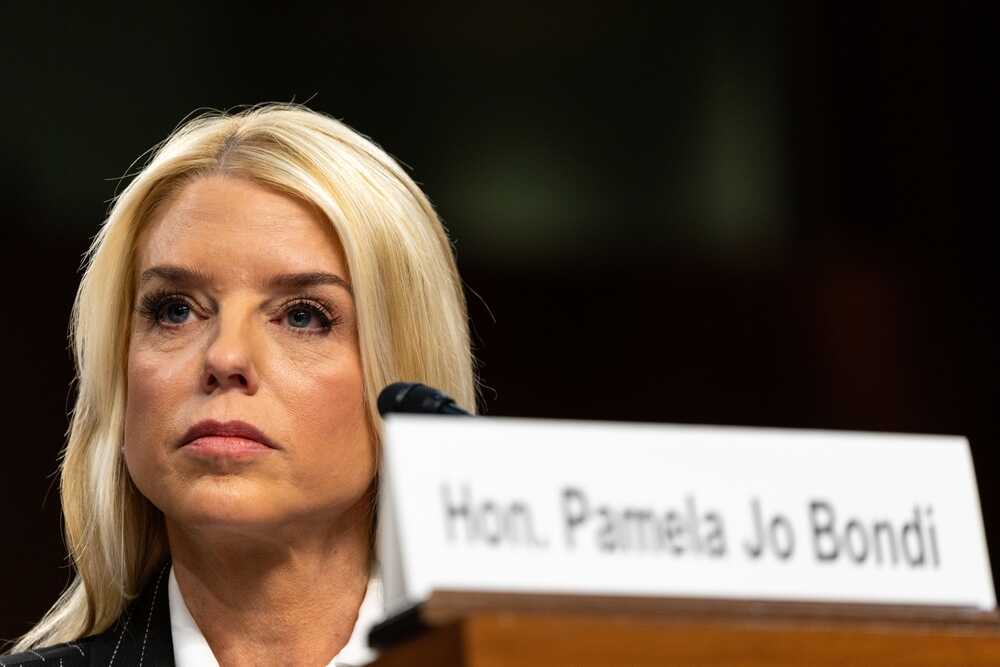
The conflict is also rooted in a longer timeline that pre-dates the raid. A Georgia State Election Board with a new MAGA majority voted in October 2024 to issue subpoenas for 2020 materials, including ballots. After President Trump returned to the White House, reporting describes months of coordinated pressure by state and federal officials for Fulton County to turn over records. Attorney General Pam Bondi sent letters citing “anomalies,” and DOJ later sued Alexander in December 2025 after she did not respond.
Federalism vs. Election Integrity: The Core Tension
For conservatives who value constitutional structure, the key issue is federalism: elections are historically administered by states and localities, while federal agencies typically step in only under defined legal authority. Legal experts quoted in coverage said they were unaware of federal officials seizing ballots in this manner before, and they warned the move could expand federal control over state-run election infrastructure. That warning is not proof of wrongdoing; it is a caution about precedent.
At the same time, the warrant language shows why many voters still demand transparency. The government’s theory, at least as described publicly, is that evidence of fraudulent activity could be embedded in the original paper and digital artifacts. Yet the reporting also emphasizes that Georgia’s 2020 results were extensively counted, recounted, and investigated, and no specific criminal charges have been publicly laid out in connection with the seized materials. That gap—dramatic action paired with limited disclosed detail—will likely shape public trust.
What Happens Next—and What We Still Don’t Know
Next steps hinge on litigation and what a court decides about sealed records, lawful access, and the remedy Fulton County seeks, including potential return of materials. Until more of the warrant’s underlying factual basis is publicly tested, major questions remain unanswered: what precise evidence federal investigators believe exists, what protocols are being used to store and analyze the records, and whether the county’s chain-of-custody objections will affect any future proceedings. The outcome could influence how aggressively Washington intervenes in election disputes going forward.
https://www.facebook.com/CBSMornings/posts/president-trump-is-doubling-down-on-his-calls-to-nationalize-elections-specifica/1333647565456058/
For now, the public record supports two competing realities. Federal agents acted under a warrant that implies suspicion of criminal conduct tied to ballot handling. Local officials say the seizure itself undermines ballot security and proper procedure, and experts say the intervention is historically unusual. Conservatives who want clean elections and limited government should watch for one crucial standard in the court filings: whether the government can justify extraordinary federal action with specific, verifiable facts rather than broad claims.
Sources:
Georgia county challenges FBI seizure of 2020 US election ballots
FBI Seizes 2020 Election Ballots from Fulton County, Georgia; County Officials Challenge Action
Experts Sound the Alarm Over FBI’s Search of Georgia Election Center