
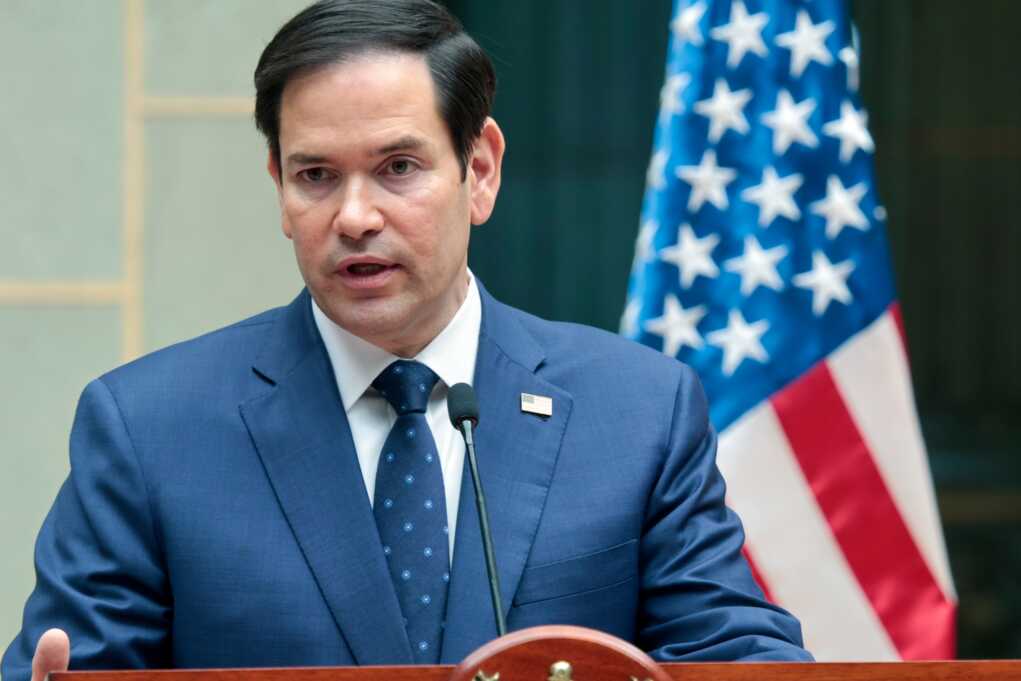
After a U.S. operation toppled Venezuela’s Nicolás Maduro, Marco Rubio is heading to the Caribbean to lock in a new “America-first” hemispheric order—and the region is already splitting over how far Washington should go next.
Story Snapshot
- Secretary of State Marco Rubio will attend a CARICOM leaders meeting in St. Kitts and Nevis as the Trump administration refocuses on Western Hemisphere security and trade.
- The trip comes weeks after a Jan. 3 U.S. military operation captured and deposed Venezuela’s Nicolás Maduro, who faces U.S. drug-trafficking accusations and has pleaded not guilty.
- Administration messaging frames the strategy as a “Donroe Doctrine,” a Trump-era spin on the Monroe Doctrine emphasizing U.S. primacy in the hemisphere.
- Regional diplomacy is tense after reports that Cuba, Venezuela, and Nicaragua were excluded from a separate Americas summit amid claims of U.S. pressure—claims not confirmed by the State Department.
Rubio’s CARICOM stop signals a hemispheric pivot
U.S. Secretary of State Marco Rubio is scheduled to make a one-day trip to St. Kitts and Nevis for a CARICOM summit, with the State Department saying the visit is aimed at boosting regional stability, prosperity, security cooperation, and trade. The timing matters: Washington is trying to reassure Caribbean governments that U.S. priorities extend beyond Middle East tensions and still center on drug trafficking, migration pressures, and rival powers’ influence in the Americas.
The gathering comes as CARICOM marks a major milestone as a regional bloc founded in 1973, while also managing the real-world fallout of nearby instability. For small island nations, security partnerships often blend practical needs—interdiction support, intelligence sharing, and maritime enforcement—with economic priorities like tourism and energy. Rubio’s message, according to reporting on the trip announcement, is that the U.S. intends to be the region’s lead partner rather than an occasional visitor.
Venezuela’s regime change sets the backdrop
The most consequential backdrop is Venezuela. On Jan. 3, a U.S. military operation captured and deposed Nicolás Maduro, an extraordinary escalation compared with the prior decade’s mix of sanctions and diplomacy. Reporting tied the operation to U.S. allegations that Maduro facilitated cocaine trafficking; Maduro has pleaded not guilty. Separate reporting also described U.S. strikes on vessels and seizures linked to Venezuela as part of an anti-narcotics and enforcement campaign.
From a constitutional, limited-government perspective, voters typically want clarity on objectives, legal authorities, and end states whenever U.S. force is used—especially in a region historically shaped by U.S. intervention. The public record in the cited reporting focuses on outcomes and strategy framing, not the fine print of authorization or oversight. What is clear is the administration’s intent: deny cartel-linked networks safe haven, disrupt trafficking routes, and use U.S. leverage to reshape the security environment close to home.
The “Donroe Doctrine” and what it means in practice
Coverage of Rubio’s trip describes the Trump administration’s approach as a modernized “Donroe Doctrine,” echoing the Monroe Doctrine’s core idea—limiting hostile external influence in the Western Hemisphere—while adding today’s flashpoints: narcotics trafficking, migration surges, sanctions enforcement, and pressure campaigns against authoritarian governments. For Caribbean leaders, that framing can sound like protection to some and heavy-handedness to others, depending on how Washington uses its power.
Rubio’s own public comments have also intensified scrutiny. In a late-January Senate hearing, he suggested political change in Cuba could happen after Venezuela’s upheaval and that it would not necessarily require direct U.S. military involvement. Those remarks fueled speculation about the administration’s next steps, even as the available reporting does not detail any operational plan. The practical near-term focus, according to trip coverage, remains security coordination and economic engagement rather than formalizing regime-change policy.
Summit exclusions revive memories of Biden-era blowups
Another strain running through the region is summit diplomacy. Reporting says the Dominican Republic announced that Cuba, Venezuela, and Nicaragua would be excluded from a December Americas summit in Punta Cana, with diplomatic sources alleging Rubio applied pressure and that aid leverage was used in other regional forums. The State Department, according to that reporting, did not comment on the pressure claims. Cuba’s foreign ministry argued the exclusions would cause the meeting to fail.
The politics here are familiar. During the Biden years, exclusions at the 2022 Los Angeles Summit triggered boycotts and public protests from multiple governments, weakening the meeting’s impact. The current reporting suggests large-scale blowback may be less likely now, given the broader regional security environment and U.S. posture, but participation is not yet fully known. For the U.S., the risk is trading short-term leverage for long-term distrust among partners needed to fight trafficking and manage migration.
Sources:
Rubio goes to Caribbean to assert US interests after Venezuela strikes, Iran threats
Rubio and the coming Americas summit
Rubio to attend Caribbean summit as US presses Venezuela, Cuba
Rubio to attend Caribbean summit on Wednesday