
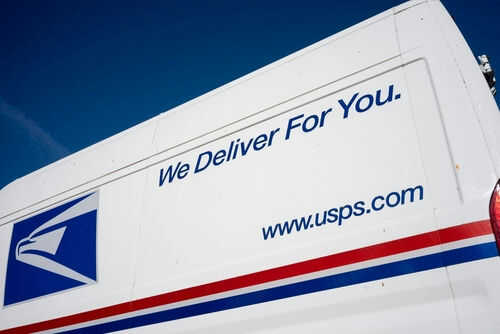
The Iran war’s oil shock is now hitting Main Street in an unexpected place: your local post office.
Quick Take
- USPS is preparing its first-ever fuel surcharge, raising prices about 8% on some packages starting in April 2026.
- The surcharge is planned to run through mid-January 2027 and is separate from USPS’s regular annual rate adjustments.
- Traditional letter mail is expected to be unaffected, but package shippers—especially small businesses—will feel the increase.
- Multiple reports cite anonymous sources; USPS has not publicly confirmed details or answered requests for comment.
USPS moves toward a first-time fuel surcharge as oil spikes
USPS is expected to impose an 8% fuel surcharge on some package shipments beginning in April 2026, marking the first time the agency has used a fuel surcharge to offset energy costs. Reports say the measure is temporary and would last until mid-January 2027. Coverage ties the spike in oil and diesel prices to the ongoing war with Iran, the same conflict now dividing many MAGA voters over U.S. involvement and Washington’s priorities.
USPS traditionally avoided fuel surcharges even as competitors used them routinely, opting instead for broader rate changes and other targeted fees. That restraint mattered to older Americans and small operators who rely on predictable shipping for side businesses, church fundraisers, and family-run online stores. This shift signals how quickly war-driven energy volatility can filter down into everyday costs, regardless of whether households support foreign intervention or are demanding a tighter focus on domestic affordability.
What changes—and what doesn’t—when the surcharge begins
Reports indicate the fuel surcharge will apply to packages, not regular letter mail, which is a key distinction for seniors and rural residents who still depend on the USPS for routine correspondence. The biggest hit is expected for shippers sending certain parcels longer distances, with analysis pointing to mid-weight shipments and longer-zone deliveries as especially exposed. USPS already implemented notable package-rate changes earlier in 2026, so many businesses may be dealing with stacked cost pressures.
Private carriers like UPS and FedEx have long used fuel surcharges as a standard lever, often adjusting them frequently, while USPS historically did not. That difference helped keep USPS attractive for many lightweight shipments, even as commercial carriers layered on residential and other add-on fees. If USPS adopts a fuel surcharge model now, it may narrow the pricing gap on some lanes. For consumers, the practical outcome is straightforward: sellers typically pass shipping increases into final prices.
USPS’s “Delivering for America” pricing strategy meets wartime energy reality
USPS pricing is shaped by its multi-year “Delivering for America” strategy and regulatory oversight, with annual adjustments reviewed by the Postal Regulatory Commission. A fuel surcharge is different from a standard rate increase because it is targeted and tied to a volatile input cost. Fuel was reported to be roughly 2% of USPS operating expenses in the most recent fiscal year cited, which helps explain why leadership previously resisted this tool—until the current oil spike forced reconsideration.
USPS has not publicly commented on the reported plan, so details still rest largely on reporting that cites people familiar with the matter. That silence leaves key questions unresolved for shippers planning budgets, including which services and parcel categories will be covered and how the surcharge will be displayed at checkout. In a politically charged moment, the lack of transparency also fuels suspicion among voters already weary of institutions that announce “temporary” fees that have a way of lingering.
Why this matters to conservatives watching costs—and government promises
Conservatives who spent years warning about inflation, reckless spending, and global instability now see another reminder that foreign conflicts can function like an invisible tax on families. Higher shipping costs can squeeze small businesses first, then ripple outward through higher retail prices. For Trump voters frustrated by expensive energy and skeptical of open-ended military commitments, the USPS surcharge becomes a pocketbook signal: war costs don’t stay overseas, and bureaucracies adjust fees faster than Washington delivers accountability.
BREAKING: USPS will impose its first-ever surcharge on packages — an 8% fee to cover the rising cost of fuel.
— More Perfect Union (@MorePerfectUS) March 25, 2026
The measure also sets a precedent. Once an agency breaks a long-standing policy—like never using fuel surcharges—future spikes make it easier to repeat the playbook. If oil prices ease, the surcharge is scheduled to end in early 2027, but shippers will watch whether the agency truly winds it down on time. With household budgets already strained, voters will likely judge leaders less by talking points and more by whether energy policy and foreign policy reduce real costs.
Sources:
https://www.ttnews.com/articles/usps-plans-fuel-surcharge
https://www.devdiscourse.com/article/headlines/3850962-usps-implements-8-fuel-surcharge-on-packages
https://3plcenter.com/usps-2026-rate-increases/