
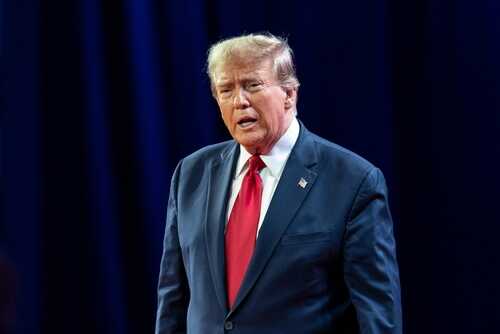
The Trump administration has issued a stark warning: unless trade agreements are finalized by July 9, tariffs suspended since April—including rates up to 50%—will resume on August 1, threatening global trade stability and rattling markets.
At a Glance
- A 90‑day pause on Trump’s “Liberation Day” tariffs ends July 9, with a revival set for August 1 if deals are incomplete.
- Approximately 100 letters will inform smaller partners their tariffs will revert.
- The UK and Vietnam have secured deals; China and other major markets are in near‑final talks.
- Economists estimate U.S. firms could incur $82 billion in tariff-related costs, potentially passed to consumers.
- Markets reacted with volatility as uncertainty over scope and timing increased.
Tariff Deadline Prompts Global Rush
Treasury Secretary Scott Bessent emphasized that August 1 is the implementation date—not a negotiation deadline—and warned that upcoming letters will confirm automatic tariff restoration for countries lacking finalized agreements. According to Barron’s, some nations may qualify for temporary exemptions if talks are near completion. The policy pause was initiated in April and is scheduled to expire July 9, according to the Trade Review Act summary.
Politico reports that over 100 countries received notification of the pause this spring. With talks stalling in several regions, global trade leaders are urging clarity on which sectors will face renewed levies.
Watch a report: Scott Bessent Teases Aug 1 Tariff Deadline on CNN
Partners Scramble as Stakes Escalate
The UK and Vietnam have already secured deals, while India and Japan remain in advanced negotiations. Australia, according to The Australian, is unaffected due to its earlier bilateral trade renewal. China is engaged in high-level talks aimed at preserving its carveouts from the original 2024 deal.
Economic Ripples and Market Worries
Global markets reacted nervously. As Reuters reported, equities fell in Asia and Europe, while the U.S. dollar strengthened slightly. Treasury yields dipped amid uncertainty. Analysts project that restored tariffs could cost U.S. firms over $80 billion annually—costs likely to be passed to consumers, potentially compounding inflation and delaying rate cuts by the Fed.
Bitcoin rose nearly 7% Monday, as investors speculated that cryptocurrency may benefit from broader capital flight amid trade instability, according to The Guardian.
Congress and Legal Pushback
The Trade Review Act of 2025 has been reintroduced in both chambers to limit executive authority over tariffs. It would require Congressional approval for any import duty lasting longer than 60 days. Legal analysts note that a recent court ruling challenges the president’s use of emergency powers under IEEPA to impose peacetime tariffs—a potential constitutional clash if extended measures are enforced.
As the July 9 cutoff nears, businesses, lawmakers, and foreign partners are bracing for impact. Whether Trump’s aggressive tariff revival strategy succeeds or triggers wider economic blowback remains a global question.