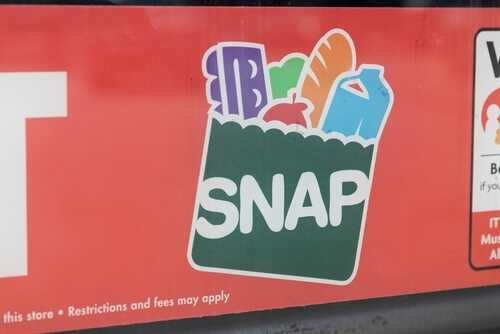
Five states have enacted new restrictions on the Supplemental Nutrition Assistance Program (SNAP), prohibiting the purchase of soda, candy, and certain junk foods as of January 1, 2026. This move, which aligns with the Trump Administration’s efforts to reform nutritional standards, sparks a critical debate: Does this groundbreaking shift effectively promote public health, or does it represent an overreach of government power that may inadvertently harm low-income families reliant on these benefits?
Story Highlights
- New SNAP rules in five states ban soda, candy, and select junk foods.
- Supporters argue it promotes health, while critics cite potential harm to low-income families.
- Policy reflects Trump Administration’s push for nutritional reform.
- Tensions arise between public health goals and access to affordable food.
SNAP Restrictions: A New Era of Nutritional Standards
As of January 1, 2026, five states—Indiana, Iowa, Nebraska, Utah, and West Virginia—have implemented new regulations on the Supplemental Nutrition Assistance Program (SNAP), prohibiting the purchase of soda, candy, and certain junk foods. This groundbreaking shift aims to promote public health and reduce obesity, aligning with the Trump Administration’s efforts to reform nutritional standards in government assistance programs. However, critics warn of unintended consequences for low-income families reliant on SNAP benefits.
The USDA has approved state-specific waivers, allowing these tailored restrictions beyond any previous federal soda ban proposals. This move has been a long time coming, following failed attempts in the past to implement similar bans at a national level. By empowering states with the flexibility to manage their own SNAP restrictions, the policy marks a significant departure from previous federal oversight, and over a dozen more states are poised to follow suit in 2026.
Starting Thursday you will not be able to purchase candy or sodas with your food stamp card in… Indiana, Iowa, Nebraska, Utah & West Virginia.
Florida, Texas, Louisiana & Oklahoma will be banned later in 2026 pic.twitter.com/dnbfX1jma3
— SAY CHEESE! 👄🧀 (@SaycheeseDGTL) December 30, 2025
Potential Impacts on Vulnerable Populations
For the approximately 42 million SNAP recipients in the United States, these changes could pose both challenges and opportunities. In states like Iowa, where a broad ban on “taxable foods” is now in place, families may find themselves navigating complex checkout systems and facing stigma at the register. Retailers are also affected, as they must update their Electronic Benefits Transfer (EBT) systems to comply with the new rules, incurring additional costs and potential delays.
Advocates for the bans argue that they will ultimately reduce healthcare costs associated with obesity and improve the overall health outcomes for low-income families. However, opponents caution that such measures could deepen food insecurity, as healthier alternatives may be more expensive and less accessible in certain areas.
Broader Implications for State and Federal Policy
The ripple effects of these SNAP restrictions extend beyond immediate beneficiaries and retailers. Economically, the bans are projected to save taxpayers approximately $1-2 billion annually by reducing expenditures on non-nutritious items. Socially and politically, they advance an anti-obesity agenda that resonates with conservative values of fiscal responsibility and public health. Yet, they also raise concerns about government overreach and the paternalistic nature of dictating food choices for vulnerable populations.
As more states consider adopting similar measures, the debate over the balance between public health and personal freedom continues. The Trump Administration’s reforms highlight a broader trend of states asserting their autonomy under federal programs, a development that could reshape the landscape of public assistance in America.
Watch the report: Five states to begin blocking soda and candy from SNAP benefits
Sources:
Snap bans on candy, soda to start in five US states, limiting food-aid purchases