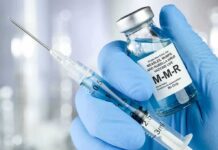

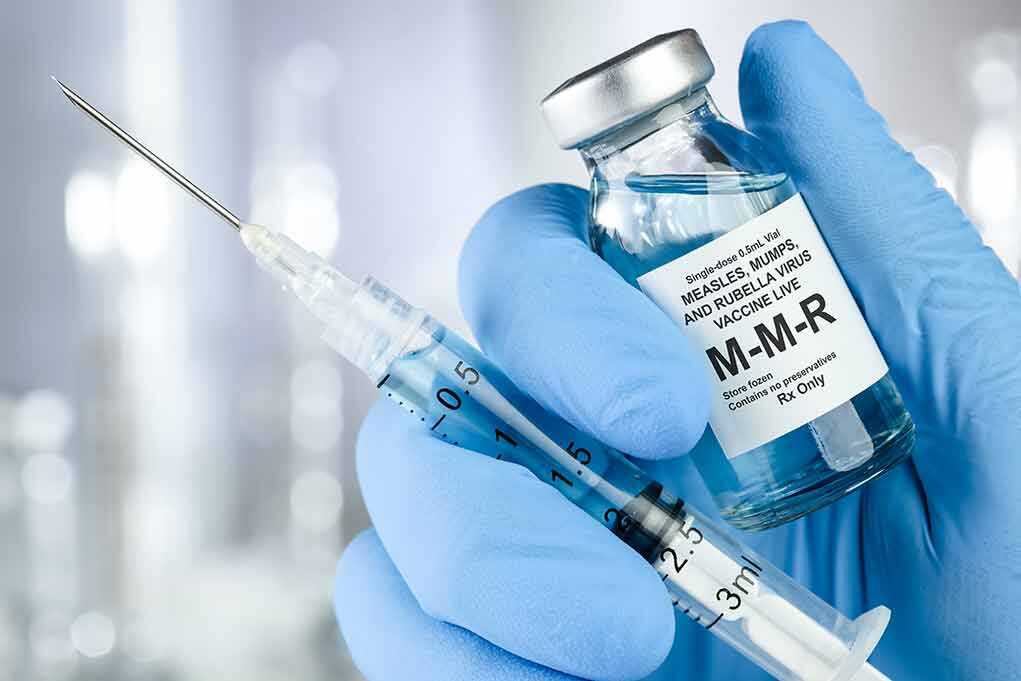
Pennsylvania’s governor said “there is no fetal tissue in the MMR,” but official records show the rubella virus in the MMR vaccine is grown in a human fetal-derived cell line.
Story Snapshot
- Governor Josh Shapiro said the MMR vaccine has no fetal tissue; critics say he skipped key context.
- Food and Drug Administration labeling shows the rubella virus is grown in WI-38 human fetal-derived cells.
- Children’s Hospital of Philadelphia explains residual byproducts from those cells can remain in the vaccine.
- Robert F. Kennedy Jr. highlighted the WI-38 origin, sparking a public clash over words and facts.
What Shapiro Claimed And Why It Matters
Governor Josh Shapiro told the public, “There is no fetal tissue in the MMR,” and amplified an American Academy of Pediatrics message that vaccines do not contain fetal cells in the final product. He tied his warning to recent measles deaths and blamed harmful rhetoric for public fear. His claim focused on the contents of the finished vial. That framing left out how the rubella virus used in the vaccine is produced, which is the heart of the dispute.
Robert F. Kennedy Jr. responded that Americans raise religious and ethical objections because the rubella component is made using a decades-old fetal-derived cell line called WI-38. He did not claim new abortions are used today. He pointed to the well-documented manufacturing history behind rubella vaccine production. The clash is not only medical; it is moral and linguistic. It turns on what “in the vaccine” means to families with conscience concerns.
What The Records Actually Say About MMR Manufacturing
Food and Drug Administration package labeling for the licensed Measles, Mumps, and Rubella vaccine confirms the rubella virus is propagated in WI-38 human diploid lung fibroblasts. Those cells descend from fetal lung tissue obtained in the 1960s. That is why many faith-minded parents want clear, plain disclosure. The measles and mumps components follow different growth methods, so the issue centers on rubella, not the entire mix equally. These are established facts from official documents.
Children’s Hospital of Philadelphia’s vaccine education materials state that residual byproducts from cells used to grow the rubella virus can be present in the final product, listing “proteins from cells used to grow virus (WI-38 human cells)” among residuals, along with recombinant human albumin, fetal bovine serum, and neomycin. Their public pages also argue purification steps remove intact fetal tissue and recognizable human DNA. Both statements can be true: no intact tissue, yet trace byproducts remain.
Parsing The Language: “No Fetal Tissue” Versus Production With Fetal-Derived Cells
American Academy of Pediatrics materials emphasize that the finished vaccine does not contain fetal cells while acknowledging that some vaccines are grown in human cell cultures originally developed from two fetuses in the 1960s. That message supports Shapiro’s narrow claim about contents but concedes Kennedy’s core point about origin. Families hearing only “there is no fetal tissue” may miss the moral link to those historic cell lines and the ongoing use of their descendants in manufacturing.
Clear, complete language would fix much of this. State plainly that rubella in MMR is produced in WI-38, a fetal-derived cell line from the 1960s, that no new abortions are needed, and that purification reduces material to trace byproducts. That respects conscience rights and promotes trust. President Trump’s administration can lead by pushing federal agencies and health partners to use precise terms, publish residual testing limits, and let parents make informed choices without spin.
Sources:
cityandstatepa.com, theconversation.com, nvic.org, x.com, drrubin.substack.com, washingtonexaminer.com