
A covert Navy brain injury program is under bipartisan fire as lawmakers demand accountability for pilot suicides and unauthorized medical experimentation.
At a Glance
- House Oversight Committee is probing a secret Navy brain injury study.
- Project Odin’s Eye began without formal medical or command approval.
- Several elite Navy pilots exhibiting TBI symptoms died by suicide.
- Lawmakers allege systemic neglect and demand full transparency.
- The controversy may reshape military health policy and oversight.
Project Odin’s Eye Lands in Congressional Crosshairs
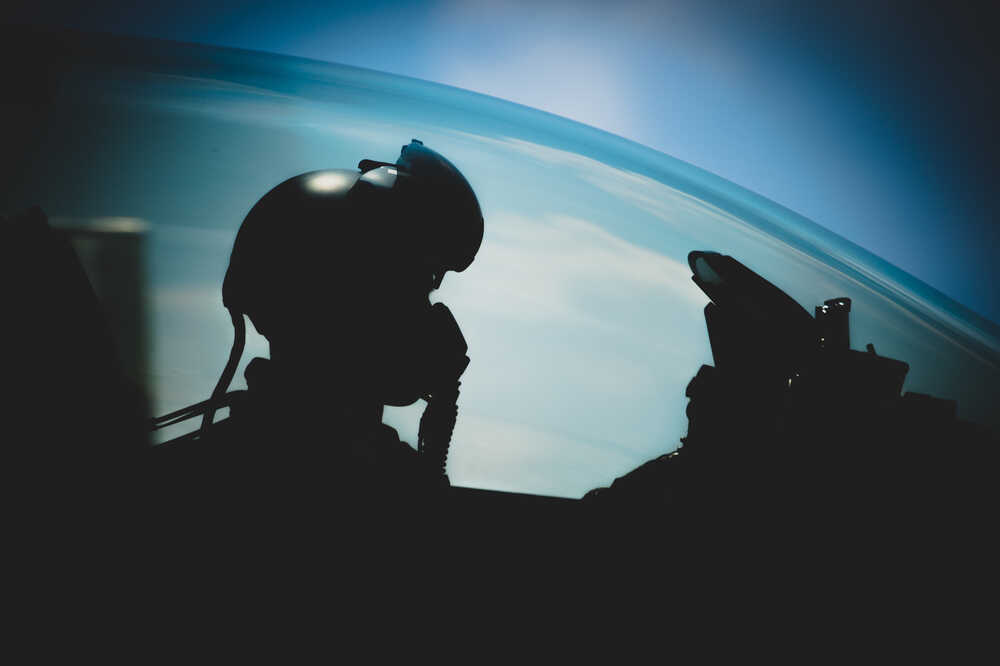
In early 2025, the House Oversight Committee launched a formal investigation into the Navy’s management of neurological risks faced by carrier-based aviators. The inquiry, led by Chairman James Comer and Rep. William Timmons, came in response to reports of an unauthorized brain injury study—Project Odin’s Eye—allegedly conducted without required approvals from Navy Medical or Air Commands. The project sought to examine cognitive dysfunction among elite pilots, including F/A-18 Super Hornet operators, several of whom died by suicide after displaying symptoms consistent with traumatic brain injury (TBI).
Watch now: Navy Fighter Pilot Brain Injury Study · YouTube
Whistleblower accounts, including former naval aviators, claim the program operated in secrecy and bypassed medical oversight. Lawmakers argue this signals a broader pattern of institutional neglect, with significant implications for service member welfare and operational readiness.
Structural Strain Meets Medical Blind Spots
Naval aviators routinely endure extreme biomechanical stress—catapult launches, high-G maneuvers, and carrier landings—all of which pose cumulative neurological risks. Despite this, attention to long-term brain health in aviation communities has lagged behind other military branches. While traumatic brain injuries from combat exposure have been increasingly recognized among ground forces, the unique hazards of high-performance flight remain underexamined and underreported.
Families and former pilots describe a pattern of symptoms—confusion, memory loss, depression—often minimized or stigmatized within the military chain of command. Career concerns further discourage self-reporting, exacerbating the risk of untreated conditions. Investigators now suggest that institutional pressure to prioritize mission continuity over individual health may have led to tragic, avoidable outcomes.
Advocates, Families, and the Cost of Silence
The emotional and political pressure surrounding Project Odin’s Eye continues to mount. Advocacy groups such as No Fallen Heroes, along with bereaved families, are demanding systemic reform, expanded mental health access, and greater transparency in military medical research. Congressional leaders have echoed these demands, calling for standardized diagnostic protocols, increased post-service care, and a cultural shift that encourages early intervention rather than punitive oversight.
For Navy leadership, the challenge lies in restoring trust while maintaining operational readiness. Officials acknowledge the sensitivity of the issue but have yet to publicly confirm a causal link between flight operations and cognitive decline. The Committee, meanwhile, has made clear that further delays in full disclosure could provoke legislative responses affecting military medical authority and veterans’ entitlements.
National Readiness and Institutional Responsibility
The consequences of inaction extend beyond individual tragedies. Neurologists and military medical professionals have warned that prolonged exposure to flight-related G-forces may produce lasting brain damage, jeopardizing not only pilot safety but also mission capability. The ongoing investigation could result in substantial policy revisions affecting recruitment, retention, and health monitoring across the armed forces.
As Congress pushes for answers, public awareness grows—and so do expectations for accountability. Whether the Navy can adapt to these pressures without compromising its strategic role remains to be seen. What’s certain is that the fate of future aviators may hinge on decisions made in the coming months, both in Washington and within military command structures.
Sources
Concussion Alliance
Stars and Stripes
MAC Concussion
House Oversight Committee
Health.mil