

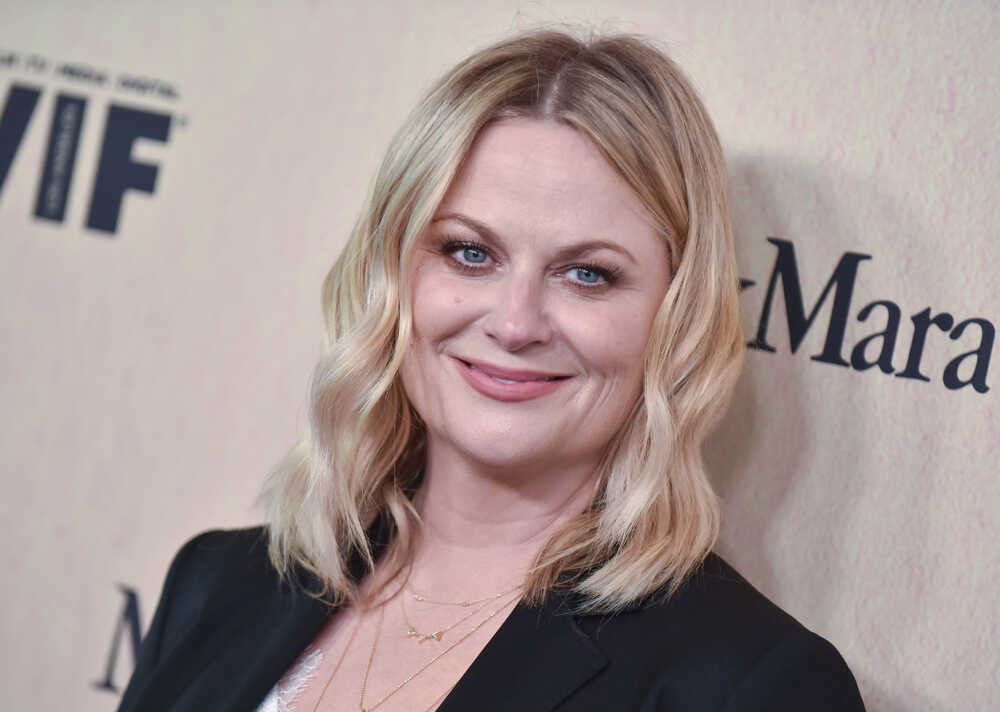
Amy Poehler’s bold condemnation of the Academy’s disregard for comedic performances has reignited fierce debate over Hollywood’s persistent bias—exposing just how deep the industry’s snubbing of comedy runs.
Story Snapshot
- Amy Poehler accused the Oscars of systematically devaluing comedy, sparking renewed scrutiny of the Academy’s genre bias.
- Comedy performers and films have historically been overlooked in major categories, with only rare exceptions since the Oscars’ inception.
- Poehler’s call comes amid broader pushes for Oscar reforms and greater inclusiveness within Hollywood recognition.
- This debate highlights larger questions about what the industry values and the slow pace of institutional change.
Poehler’s Critique Exposes Deep-Rooted Academy Bias
In September 2025, Amy Poehler, celebrated comedian, actress, and former Oscar host, used her platform on the Good Hang podcast to criticize the Academy of Motion Picture Arts and Sciences for its ongoing neglect of comedic performances. Poehler argued that the Oscars have long favored dramatic roles, systematically undervaluing the skill and artistry required for comedy. Her comments quickly gained traction, with industry figures and entertainment media amplifying the debate and shining a spotlight on the Academy’s entrenched genre bias.
Amy Poehler Slams Academy's Devaluation Of Comedy: "It's Some Hot Bullsh**" https://t.co/mr3mABvhkp
— Deadline (@DEADLINE) September 21, 2025
Historically, the Oscars have seldom recognized comedy in top categories like Best Picture, Best Actor, or Best Actress. Notable exceptions—such as Annie Hall (1977) and As Good as It Gets (1997)—are rare, even as many comedic performances earn critical acclaim and audience enthusiasm. This pattern has persisted since the Academy’s founding in 1929, with critics and insiders repeatedly calling attention to the disparity. The Academy’s voting body, which skews older and more traditional, has often been cited as a key factor in maintaining this status quo.
Industry Response and Calls for Reform
Poehler’s remarks have fueled new calls for institutional reform within Hollywood. In the weeks following her podcast episode, comedians, actors, and entertainment journalists echoed her concerns, urging the Academy to recognize comedy’s significance as both art and entertainment. Ideas floated by advocates include creating a dedicated comedy category or diversifying the voting panels to better reflect the broad range of talent in the industry. Despite the mounting public pressure, as of September 2025 there has been no official response from the Academy, reflecting the slow pace of change within Hollywood’s most powerful institutions.
Past efforts to address bias—including the #OscarsSoWhite movement—have focused mainly on demographic diversity, but Poehler’s critique has broadened the conversation to include genre as a key dimension of inclusion. The rise of podcasts and social media has empowered voices like Poehler’s to bypass traditional media gatekeepers, galvanizing both industry insiders and the moviegoing public. The debate now extends beyond the Academy, with other awards bodies and creative sectors watching closely.
Broader Implications for Hollywood and Beyond
The renewed attention on Oscar bias could have tangible impacts for the entertainment industry. In the short term, the debate increases media scrutiny and could generate enough public momentum to pressure the Academy into addressing genre disparities. Long-term implications may include changes to Oscar categories, voting processes, or the broader cultural perception of comedy as a legitimate art form. Greater recognition could also boost revenues for comedic films and encourage studios to invest in the genre. At its core, this debate challenges Hollywood to reflect on what it values—and whether its most prestigious awards truly represent the full spectrum of cinematic excellence.
Comedy’s subjectivity makes it harder to judge than drama, complicating efforts to reform award criteria. Others counter that the Academy’s resistance to change is rooted more in tradition and institutional inertia than in any insurmountable challenge. Either way, Poehler’s critique reminds audiences and industry leaders alike that the fight for fair recognition in Hollywood is far from over.
Sources:
Variety. (2025). “Amy Poehler Calls Out Oscars for Comedy Snubs on Good Hang Podcast.”
The Hollywood Reporter. (2025). “Industry Reacts to Amy Poehler’s Critique of the Academy.”
IndieWire. (2025). “Why the Oscars Still Don’t Take Comedy Seriously.”
The New Yorker. (2023). “Why the Oscars Ignore Comedy.”
AMPAS Official Website. (2025). “Oscar Rules and History.”