
A series of statements and policy changes from President Trump have introduced significant new uncertainties for international trade, global alliances, and security relationships.
At a Glance
- President Trump issues a shortened ceasefire ultimatum to Russia regarding Ukraine.
- Former Russian president Medvedev references Russia’s “Dead Hand” nuclear system in response.
- The U.S. announces a 25% tariff on all Indian imports, effective August 1.
- American importers and Indian exporters reassess supply chains in response to new trade barriers.
- BRICS alignment and global market stability are brought into question by recent U.S. actions.
Washington’s New Red Lines
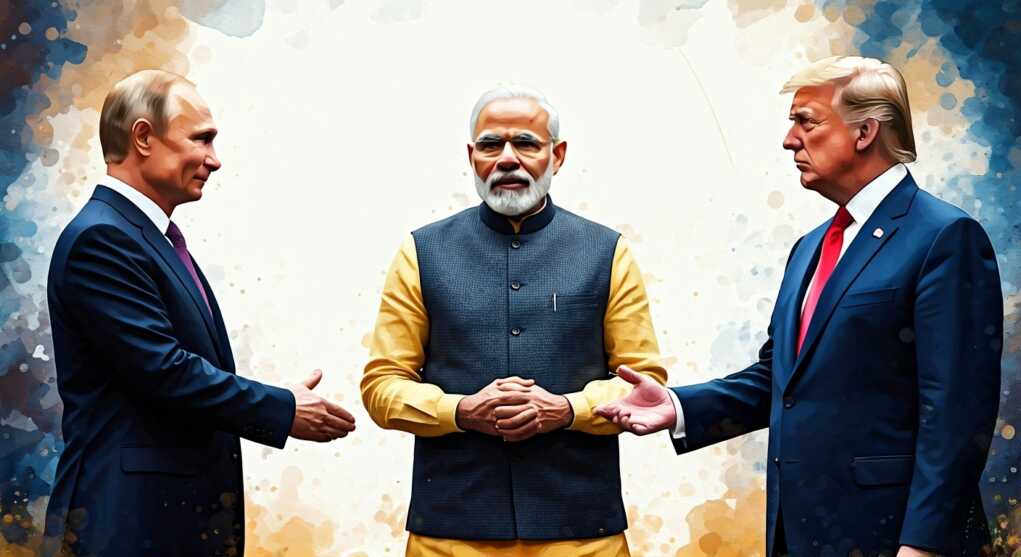
President Trump, recently returned to office, has shifted U.S. foreign policy with a series of public statements and executive actions. During a visit to Scotland, he reduced his previously stated Ukraine ceasefire ultimatum to Russia from fifty days to between ten and twelve days, indicating increased urgency regarding the conflict. This announcement prompted a rapid response from Russian officials, including Dmitry Medvedev, who warned that the ultimatum risked escalating the situation to a direct confrontation between the United States and Russia.
Watch now: Trump Blasts India‑Russia Ties, Warns Medvedev as … · YouTube
In follow-up remarks on social media, President Trump publicly warned Medvedev to “watch his words,” citing the risk of heightened tensions. Shortly after, the White House announced a 25% tariff on all imports from India, citing concerns over India’s trade practices and its continued cooperation with Russia on economic and defense matters.
Security Concerns and Economic Impact
Russia’s response included renewed references to its “Dead Hand” nuclear retaliation system, a Cold War-era protocol designed to automate nuclear response under certain circumstances. Such references have raised concern among Western governments about the possibility of further escalation.
India, named directly in the U.S. tariff announcement, has recently expanded its purchases of Russian oil and defense equipment. The new tariff represents a significant development in the ongoing debate over how economic relationships impact global security alliances. Indian exporters and U.S. importers are now re-evaluating supply chains to adapt to the new trade environment.
Diplomatic and Market Reactions
The consequences of these developments are being felt throughout international markets and diplomatic circles. American businesses that rely on Indian goods are confronting the prospect of increased costs or disrupted shipments. Meanwhile, India faces potential losses in access to the U.S. consumer market, which could affect a range of industries.
The situation has also intensified scrutiny of the BRICS alliance, as India’s alignment with Russia has come under renewed focus. Several global financial indices have experienced volatility amid uncertainty regarding the duration and extent of the new U.S. policies. Analysts note that the evolving U.S. stance could have long-term effects on both global trade patterns and security arrangements.
Strategic Uncertainty Ahead
The White House has framed these actions as part of a broader strategy to strengthen American leverage in international negotiations. Both Russia and India have been urged to reconsider their positions in light of the new deadlines and tariffs. While the risk of further escalation exists, some observers believe that these developments may force renewed diplomatic engagement on several critical issues, including the conflict in Ukraine and international trade norms.
The coming weeks are expected to reveal whether recent U.S. moves will prompt policy changes from Russia or India—or whether further economic or diplomatic measures will follow.