

A Massachusetts judge refused to toss a double-murder case or grant bail while the state still waits on the medical examiner’s cause-of-death report.
Story Highlights
- The defense sought dismissal or $25,000 cash bail; the judge denied both requests.
- Prosecutors said they are awaiting the official cause and manner of death from the medical examiner.
- The court continued the case while a recalled grand jury is expected to review findings within weeks.
- Defense cited delay and mental-health history; the judge kept the defendant held without bail.
Judge Denies Dismissal and Bail After Defense Challenges Delay
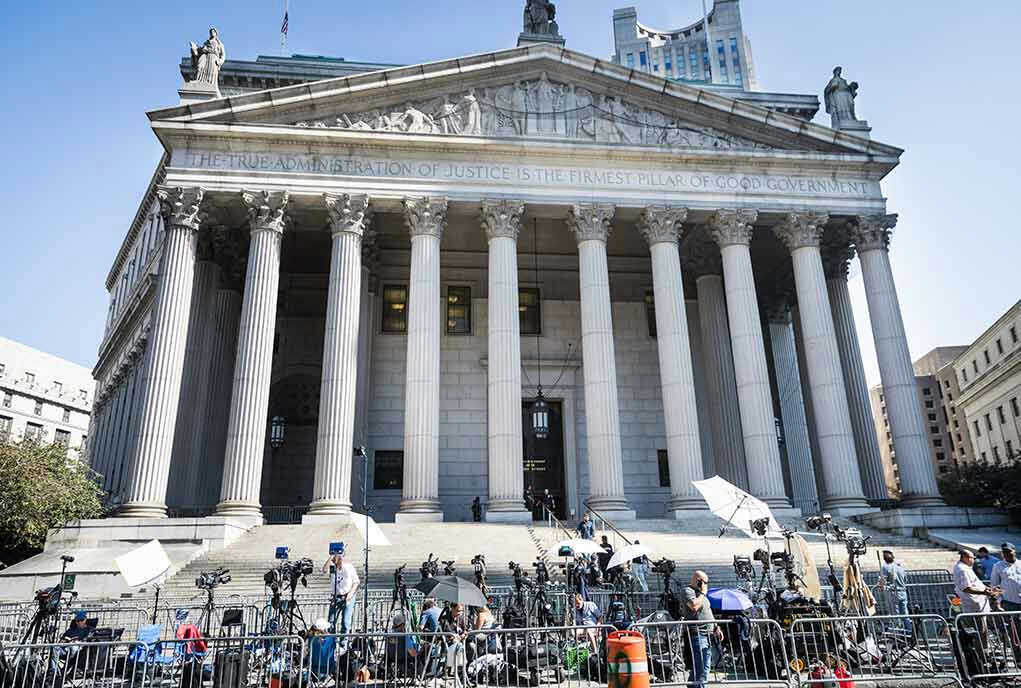
On September 10 in Dedham District Court, defense attorney Joseph Krowski asked the judge to dismiss the murder charges or release Janette MacAusland on $25,000 cash bail with conditions. The judge, Jeanmarie Carroll, denied both requests. A spokesman for the Norfolk County District Attorney’s Office confirmed the denials after the hearing. The ruling keeps MacAusland held without bail as the case moves forward toward possible indictment in Superior Court.
Assistant District Attorney Jennifer Hickman told the court the Commonwealth is still waiting on the Office of the Chief Medical Examiner to issue the official cause and manner of death for the two children. Hickman said those findings are expected within weeks. She added that a grand jury had already been convened and would be recalled to review the medical examiner’s determinations before the case proceeds toward indictment and arraignment in Norfolk Superior Court.
Defense Cites Four-Month Lag and Pushes for Liberty Conditions
Krowski argued that the state’s reliance on a still-pending forensic report has stretched the case timeline and unfairly kept his client behind bars. He tied his request to what he framed as a four-month delay without a completed probable-cause process while everyone waited on the medical examiner. He also highlighted MacAusland’s mental-health history and urged prosecutors to reconsider pursuing the harshest path in light of those issues. The judge, however, rejected dismissal and bail at this stage.
Court records and reporting show the probable-cause hearing date moved earlier in the summer, with a continuance from July 13 to September 10 entered at the defense’s request. That history complicates the delay claim under Massachusetts rules that exclude certain defense-caused or agreed delays from speedy-trial calculations. The record available in public reporting does not include a written ruling that the delay meets the strict legal standards for dismissal, which are hard to satisfy in Massachusetts homicide cases.
Grand Jury Path and Evidence Status Outlined by Prosecutors
Prosecutors said they plan to recall the grand jury once the medical examiner issues final findings. They also said they have provided substantial discovery, including police body-camera footage from Bennington, Vermont, where the defendant traveled after the children’s deaths, according to prior court summaries. The state’s position is that the medical examiner’s report is central to the manner and means of death, and that the case remains on track despite the wait for that document.
Media coverage earlier in the case reported an alleged confession described in court documents, along with the defendant’s return to Massachusetts after proceedings in Vermont. Those details establish a serious evidentiary posture even as the Commonwealth waits for the medical examiner’s formal conclusions. The court continued the matter while the state seeks to finalize the forensic base it says it needs for the grand jury step.
Why This Fight Matters for Due Process and Community Safety
Families across Massachusetts want both justice and basic fairness. The defense says the government should not keep someone locked up when a key forensic report is still missing. The prosecution says the case is moving, the report is near, and the grand jury must see the full record. Massachusetts law sets a high bar to dismiss cases on delay grounds, especially when some delays trace back to defense scheduling or necessary expert work.
For conservatives who value the rule of law, two core truths apply. Courts must guard due process and avoid punishment by process. Courts must also protect the community when the facts point to grave harm. Here, the judge chose caution on release and patience on timing. That means the case continues, the medical examiner’s answers are coming, and a recalled grand jury will decide the next step based on a fuller record, not a rushed one.
Sources:
wmtw.com, whdh.com, dailymail.com, bostonglobe.com, youtube.com