
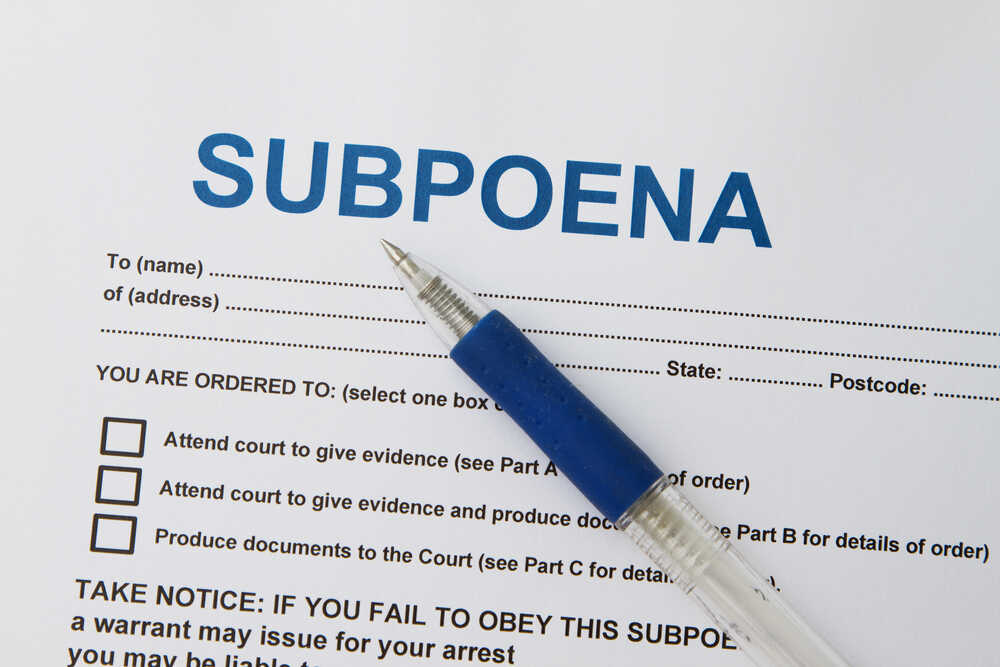
Former Special Counsel Jack Smith faced intense scrutiny on Capitol Hill over his controversial subpoena practices, specifically targeting members of Congress like former House Speaker Kevin McCarthy. Rep. Brandon Gill led the confrontation, challenging whether Smith’s use of secret nondisclosure agreements and the collection of congressional phone records violated the Constitution’s Speech or Debate Clause. The heated testimony also exposed significant questions about the credibility of key witness Cassidy Hutchinson and Smith’s own insistence on Trump’s guilt despite never bringing the case to trial.
Story Highlights
- Rep. Brandon Gill (R-TX) confronted Jack Smith over subpoenas issued to former House Speaker Kevin McCarthy, challenging whether they violated the Speech or Debate Clause
- Smith admitted to using nondisclosure agreements to hide subpoenas from both targets and the public, raising transparency concerns about prosecutorial overreach
- The former Special Counsel acknowledged that key witness Cassidy Hutchinson provided secondhand testimony that Secret Service agents never confirmed
- Smith insisted he had proof beyond a reasonable doubt against Trump despite never bringing the case to trial after Trump’s election victory
Constitutional Questions Over McCarthy Subpoena
During a high-profile House Judiciary Committee hearing, Rep. Gill zeroed in on Smith’s decision to subpoena former House Speaker Kevin McCarthy’s phone records covering November 2020 through January 2021. Gill characterized this action as a flagrant violation of the Speech or Debate Clause, which protects members of Congress from executive branch interference in their legislative duties. Smith issued additional subpoenas for phone toll records in May 2023, expanding his reach into congressional communications. The Texas congressman pressed Smith on whether McCarthy was genuinely considered a flight risk to justify keeping the subpoenas secret through nondisclosure agreements, exposing the weakness of Smith’s rationale.
Jack Smith’s investigation was about one thing: targeting President Trump. pic.twitter.com/lWtr4tue1G
— Congressman Brandon Gill (@RepBrandonGill) January 23, 2026
Nondisclosure Agreements Shield Prosecutorial Actions
Smith defended his office’s use of nondisclosure agreements as necessary to preserve investigative integrity, claiming phone record collection represented common practice for understanding the scope of alleged conspiracies. Yet this explanation rings hollow when prosecutors use such agreements to hide their actions from both investigation targets and American citizens who deserve transparency from their government. The practice of secretly collecting congressional phone records without public knowledge represents exactly the kind of unchecked executive power that our constitutional framework was designed to prevent. Smith insisted his office did not engage in spying, but the distinction seems semantic when prosecutors covertly gather communications data from elected representatives.
Witness Credibility Issues Emerge
Under questioning from Rep. Jim Jordan, Smith acknowledged significant problems with testimony from Cassidy Hutchinson, a former White House aide who became a central witness for Democrats during January 6 proceedings. Smith admitted Hutchinson’s dramatic testimony about Trump allegedly lunging for the presidential limousine steering wheel was secondhand information that the Secret Service agent present in the vehicle did not confirm. Smith stated he had not made final determinations about calling her as a witness, suggesting even he recognized her credibility problems. This revelation undermines the certainty Democrats projected about their January 6 narrative and raises questions about prosecutorial judgment in elevating questionable witnesses.
Smith Maintains Prosecutorial Certainty Despite No Trial
Smith declared during his nearly five-hour testimony that his investigation contained proof beyond reasonable doubt that Trump engaged in criminal activity and would have succeeded at trial. He insisted Trump caused January 6, that violence was foreseeable to him, and that Trump sought to exploit it. Yet Smith never tested these assertions before a jury after Trump won the 2024 election and returned to the presidency. Smith also expressed bewilderment at Trump’s pardons of approximately 1,500 January 6 defendants, stating he would never understand the decision. The former Special Counsel vowed he would not be intimidated by Trump’s threats to prosecute him, even as Trump live-posted during the hearing calling Smith a deranged animal who should not be allowed to practice law.
Broader Implications for Prosecutorial Oversight
This hearing represents Smith’s first public testimony on Capitol Hill since leaving the Department of Justice, and Senate hearings are planned to continue scrutiny of his investigative methods. Trump-appointed U.S. District Judge Aileen Cannon has halted release of Smith’s report on the classified documents case, with an injunction set to expire next month though Trump’s lawyers seek permanent sealing. The confrontation between Gill and Smith establishes important precedent for congressional oversight of special counsel practices, particularly regarding the balance between investigative secrecy and constitutional protections for legislative branch independence. Republicans are right to question whether Smith’s methods crossed lines that protect our system of separated powers from prosecutorial abuse.
Watch the report: WATCH: Rep. Gill questions Jack Smith on Trump investigations
Sources:
Takeaways from Jack Smith on his case against Trump – WSLS News
Six key takeaways from Jack Smith’s testimony on his case against Trump.
Jack Smith defends Trump prosecutions – Courthouse News
GOP Rep reveals action led to Smith hearing – AOL News