
Iran’s IRGC just put a bullseye on a $30 billion AI mega–data center in the UAE—an escalation that drags America’s tech backbone into a widening Middle East conflict.
Quick Take
- Iran’s IRGC released a video on April 3, 2026, threatening “complete and utter annihilation” of OpenAI-linked “Stargate” AI infrastructure in Abu Dhabi if the U.S. strikes Iran’s power system.
- The video used satellite imagery and “Google Maps”-style zooms to identify the site’s location despite efforts to keep it obscured.
- The threatened UAE project is tied to major U.S. tech and finance names and is planned to scale from an initial phase in 2026 toward 1–5 gigawatts of compute.
- Reports also describe alleged strikes or damage to other regional data centers, while UAE officials have disputed at least one claim.
IRGC Threat Video Targets “Stargate” in Abu Dhabi
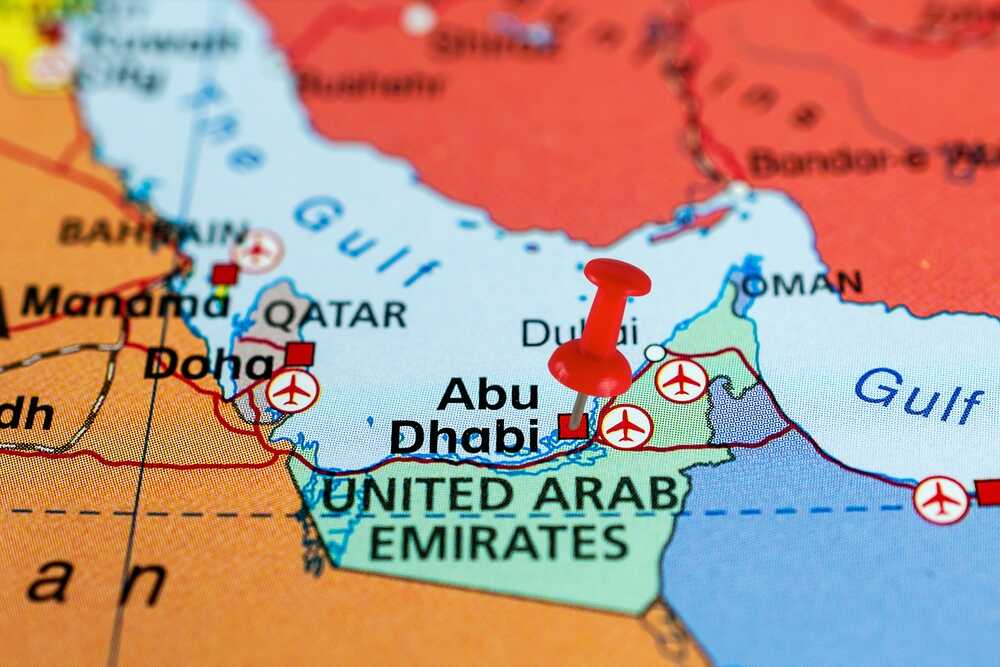
Iran’s Islamic Revolutionary Guard Corps circulated a new threat on April 3, 2026, warning that U.S.-linked information and communications technology companies in the region could face “complete and utter annihilation” if Washington attacks Iran’s power infrastructure. The message was delivered via a video attributed to IRGC-linked channels and a spokesperson tied to Khatam al-Anbiya Headquarters. The video explicitly referenced “Stargate,” an OpenAI-connected AI data center project located near Abu Dhabi.
The video’s presentation mattered as much as the threat. It reportedly displayed satellite imagery and night-vision-style views of the facility area, paired with messaging implying that even obscured locations are visible to Iran. It also included images of high-profile U.S. tech executives, underscoring that Tehran is framing private-sector American technology as a pressure point. As of the reporting summarized in the research, no confirmed strike on the Stargate site had been documented.
Why This $30B “Supercluster” Is a High-Value Target
Stargate UAE is described as a roughly $30 billion AI “supercluster” initiative tied to OpenAI and partners including Nvidia, Cisco, Oracle, SoftBank, and UAE firm G42. It indicates an initial phase around 200 megawatts planned for 2026, with longer-range scaling described in the 1–5 gigawatt range. That kind of electrical demand is not a side note—it is the core of the project and a reason it becomes strategically sensitive in a regional war.
For conservatives already skeptical of globalized corporate entanglements, the uncomfortable reality is that critical American commercial capacity is increasingly built offshore while still being treated by adversaries as “American” infrastructure. Even if the facility is physically in the UAE, it is tied to U.S. shareholders, U.S. technology, and U.S. strategic competition in AI. When Iran says it will retaliate against “ICT” companies with American ownership, it’s signaling that private investment decisions can become national-security liabilities.
Trump’s Deterrence Problem: Protect Americans Without Another Endless War
It links the IRGC threat to U.S. President Donald Trump’s warnings about targeting Iranian power plants amid an ongoing regional confrontation. That connection is politically volatile at home: many MAGA voters support strength and deterrence, but they also remember decades of open-ended Middle East commitments sold as “limited” actions that grew into nation-building. When threats escalate from military targets to global commerce—data centers, cloud infrastructure, and energy—pressure builds for Washington to respond.
At the same time, escalation creates a second trap: higher energy prices and broader economic blowback that hits working families first. It notes market and security risks tied to attacks on infrastructure, including outages, insurance cost spikes, and broader investor hesitation. For a conservative audience already angry about inflation and energy costs, the question becomes painfully practical: what is the strategy that protects U.S. interests and Americans abroad without sliding into another regime-change-style quagmire?
What’s Confirmed, What’s Disputed, and What to Watch Next
Multiple outlets describe the April 3 threat video as real and widely circulated, but several operational details remain uncertain. Reports referenced alleged damage to AWS regional infrastructure and a claimed strike on an Oracle site in Dubai; the UAE, however, has publicly denied at least one such report as fabricated. That gap matters, because propaganda and psychological operations are part of modern conflict—especially when the goal is to spook investors and pressure policymakers.
What can be responsibly concluded from the available reporting is narrower: Iran is publicly naming and mapping major technology infrastructure as a retaliatory target, and it is doing so in the context of U.S.-Iran escalation involving energy systems. Americans should watch for two concrete signals: official government advisories about Gulf facility security and any verified service disruptions tied to regional cloud and data center operations. Until independent confirmation exists, claims of specific strikes should be treated cautiously.
Sources:
Iran threatens to bomb 1GW Stargate AI datacenter in the UAE, shows hidden …
Iran warns Gulf “Stargate” data infrastructure; UAE, Nvidia, OpenAI tied to U.S. attack threats