
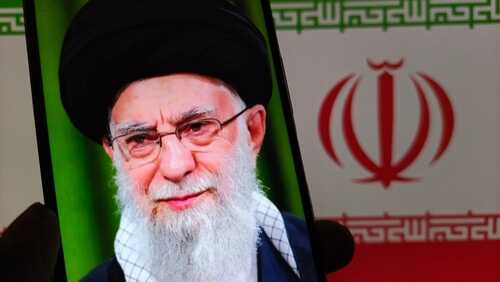
As Iran’s streets erupt against Ayatollah Khamenei’s rule, the Biden-era appeasement that empowered this regime is colliding head-on with Trump’s promise to restore American strength and moral clarity. These nationwide protests have become the most serious street challenge to Iran’s theocracy since 1979, directly targeting the Supreme Leader. Security forces are responding with live fire, mass arrests, and near-total internet blackouts to crush dissent, while exiled Crown Prince Reza Pahlavi is urging protesters to seize and hold city centers. Despite dramatic headlines, available reporting shows a grinding confrontation, not a guaranteed quick fall of the regime.
Story Highlights
- Nationwide protests have become the most serious street challenge to Iran’s theocracy since 1979, directly targeting Ayatollah Khamenei’s power.
- Security forces are responding with live fire, mass arrests, and near-total internet blackouts to crush dissent and hide the true death toll.
- Exiled Crown Prince Reza Pahlavi is urging protesters to seize and hold city centers, as monarchist symbols reappear on Iran’s streets.
- Despite dramatic headlines predicting imminent collapse, available reporting shows a grinding confrontation, not a guaranteed quick fall of the regime.
Street Revolt Tests a Repressive Theocracy, Not Yet on the Brink
Reporting from multiple outlets confirms that protests across Iran have evolved from anger over economic collapse into direct defiance of Ayatollah Ali Khamenei and the entire Islamic Republic system. Demonstrations that began after the rial’s plunge have spread to dozens of cities, with chants targeting the Supreme Leader himself and calling for the regime’s overthrow. While some headlines speculate that Khamenei’s power could “collapse in less than a week,” major news coverage stops short of predicting imminent regime downfall.
For conservatives who watched the Obama and Biden years funnel sanctions relief and diplomatic credibility back to Tehran, this matters. A regime that spent that windfall on terror proxies and internal repression is now turning those tools on its own people. Security forces, including the Revolutionary Guard and Basij militia, have opened fire on crowds, carried out night raids, and flooded streets with armored vehicles. Rights groups estimate at least dozens dead and thousands detained, though blackout conditions likely hide a higher toll.
#NSTTV The #protests, now in their second week, became among the biggest challenges to #Iran’s theocratic leadership since the 1979 revolution.https://t.co/S6WNZ7nHJ6#AyatollahAliKhamenei #US #DonaldTrump #RezaPahlavi pic.twitter.com/BcerhcrmLv
— New Straits Times (@NST_Online) January 10, 2026
Blackouts, Bullets, and the Battle to Control the Narrative
The regime’s crackdown relies heavily on something every freedom-loving American should recognize as a warning sign: state-engineered information blackouts. Authorities have imposed nationwide internet and communications shutdowns for extended periods, cutting mobile, landline, and online access. Iranian filmmakers and civil society figures describe these outages as deliberate tools to conceal violence and block organizing. At the same time, state media pumps out footage portraying demonstrators as foreign-backed “terrorists” to justify ever-harsher repression in the name of order.
Judiciary and security chiefs echo this script, branding protesters “enemies of God” and promising “maximum” punishment with no legal leniency. Under Iran’s system, that label can carry the death penalty, turning political dissent into a capital crime. For an American audience that values the First Amendment and due process, this is a stark picture of what happens when a regime holds absolute power over courts, guns, and media. It is the polar opposite of limited government and constitutional safeguards that conservatives fight to defend at home.
Reza Pahlavi, Diaspora Pressure, and the Limits of Street Power
Amid the unrest, exiled Crown Prince Reza Pahlavi has stepped into the spotlight, calling on Iranians to seize and hold city centers and openly positioning himself as an alternative symbol of national leadership. Protest footage and reports describe pre-1979 monarchist flags and slogans resurfacing, not just as nostalgia but as a rejection of the Islamic Republic framework itself. Pahlavi speaks of a “very near” return, but on-the-ground power still rests with Khamenei, the Revolutionary Guard, and loyal security elites.
The protesters, meanwhile, hold moral legitimacy and courage but lack unified leadership, media control, or command over armed forces. Reports describe a mix of peaceful marches and more militant actions, including Molotov cocktails and attacks on regime compounds in some cities, while most demonstrators remain unarmed. That combination creates real pressure but not yet a clear pathway to immediate regime collapse. For conservatives wary of wishful thinking, the reality is a grinding test of will between streets and state, not a guaranteed revolution on a timetable.
Lessons for America: Appeasement’s Price and the Stakes for Liberty
These events are unfolding in a world where Washington’s posture toward Tehran has swung sharply between weakness and resolve. Past waves of protests in 2009 and later years were met with muted responses from Democratic administrations that prioritized nuclear talks and détente over sustained pressure on the regime. That approach signaled to Iran’s rulers that the West would tolerate internal crackdowns as the cost of doing diplomatic business, undermining both U.S. credibility and the hopes of everyday Iranians risking their lives.
Under Trump, rhetoric shifted toward openly backing protesters and confronting Tehran’s aggression, aligning more closely with conservative instincts about standing with dissidents against authoritarian theocrats. Yet even now, the sobering fact remains: an entrenched regime with loyal security services does not fall easily. For American conservatives, the Iranian struggle is a reminder of why constitutional limits, free speech protections, and a citizenry that can hold leaders accountable—including through the ballot box—are nonnegotiable. Where those safeguards are gutted, power does not simply give itself up.
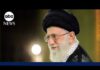
Watch the report: Iranians Continue Protests Despite Khamenei’s Waring, Death Penalty Threats
Sources:
- Death toll in 2-week-old protests challenging Iran’s theocracy reaches 116, activists say
- Iran warns US troops and Israel will be targets if America strikes over protests as death toll rises | Arab News