
America’s history just went up in smoke, and the federal government’s wildfire strategy is taking the heat as Arizona demands answers and accountability.
At a Glance
- Grand Canyon Lodge and 80 structures were destroyed in Arizona’s North Rim wildfire.
- The National Park Service’s “confine and contain” strategy faces harsh scrutiny.
- Governor Katie Hobbs called for a full federal investigation into the fire response.
- A chlorine gas leak from a destroyed water plant worsened the crisis.
- The North Rim is closed for the 2025 season, devastating local businesses.
North Rim Devastation Sparks Fury
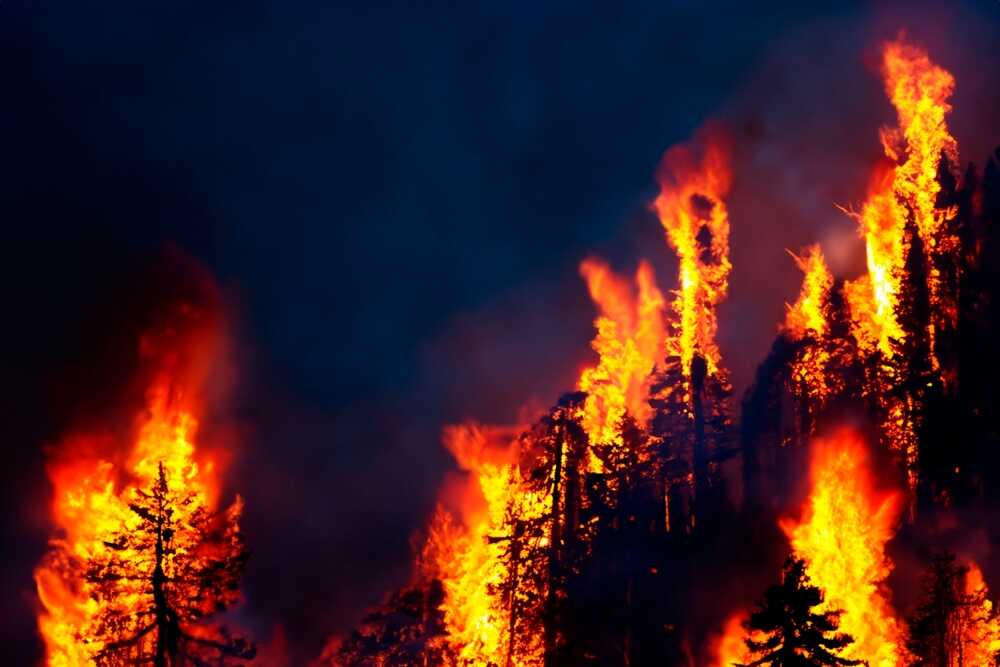
On July 12, the Grand Canyon Lodge, a National Historic Landmark, was consumed by the raging Dragon Bravo Fire, a blaze the National Park Service chose not to extinguish aggressively. Instead, officials employed a “confine and contain” strategy, prioritizing ecological theory over immediate protection. That gamble failed catastrophically. The fire, fueled by record-breaking heat and arid winds, tore through the North Rim, leveling not just the lodge but up to 80 critical buildings, including visitor centers and staff housing. A chlorine gas leak from a destroyed water treatment plant forced emergency evacuations, compounding the disaster.
Governor Katie Hobbs quickly condemned the Park Service’s decision-making and demanded an “independent, top-to-bottom federal investigation” into the handling of the fire. Her blistering rebuke echoed the outrage of local families and businesses who now face an entire tourist season wiped off the map. As Hobbs put it, Arizona is demanding to know why federal agencies gambled with its heritage and economy.
Watch a report: Arizona’s Iconic Lodge in Ashes—Who Failed to Protect It?
Federal Playbook Under Fire
While Park Service officials defend their containment tactics as necessary under extreme weather conditions, critics see a pattern of mismanagement and indifference. The agency argues that firefighter safety—especially after the gas leak—necessitated a cautious approach. But this rationale rings hollow for Arizonans staring at smoldering ruins where jobs and memories once stood. The Park Service’s own documentation of fire policy shows a long-standing preference for ecological benefits over aggressive suppression—a philosophy now under severe scrutiny.
Local business owners, many still recovering from the economic aftershocks of the pandemic, now face existential threats. The North Rim closure for the 2025 season severs the lifeline of tourism that sustains hotels, restaurants, and tour guides. Economic fallout will ripple for years, and the loss of the lodge—a treasure built in 1937—is an irreplaceable blow to America’s cultural landscape.
The Battle for Accountability Begins
As public anger simmers, the push for policy reform is gathering momentum. Governor Hobbs’s demand for accountability may be the first domino in a broader reckoning over federal wildfire management. Experts and policymakers are already debating whether current strategies prioritize environmental ideology over human and historical stakes. The Oregon Public Broadcasting analysis warns that without systemic change, disasters like the Dragon Bravo Fire will only multiply.
For the people of Arizona, the question is stark: if the federal government won’t protect our history, economy, and homes, who will? As the embers of the North Rim cool, the demand for answers—and real reform—burns hotter than ever.