
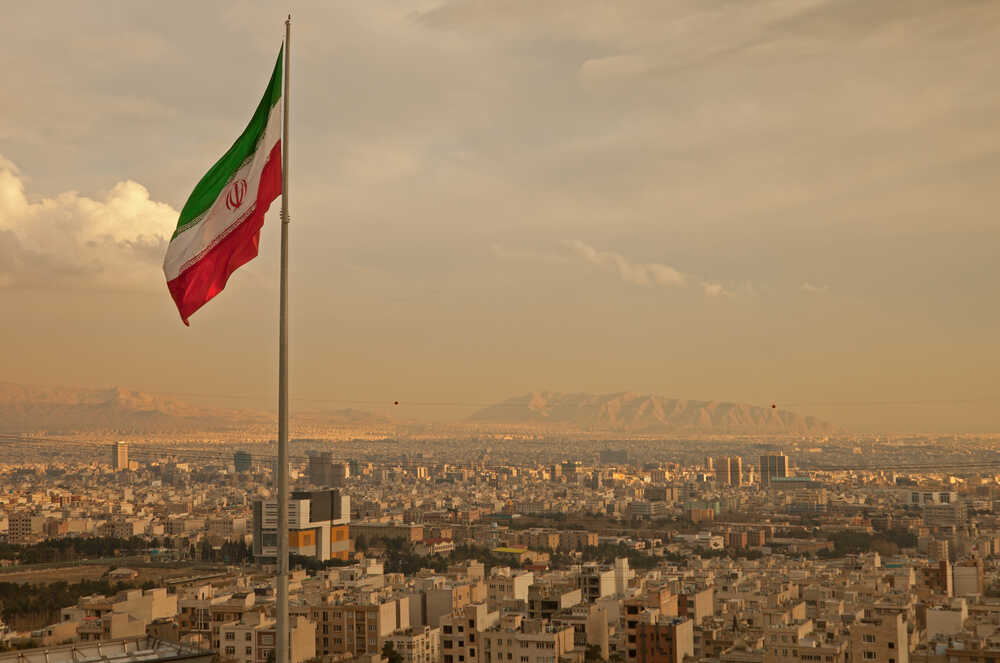
Iran’s regime has threatened to weaponize water itself by targeting Gulf desalination plants that millions depend on for survival, marking a dangerous escalation that could trigger humanitarian catastrophe within days as President Trump stands firm against Tehran’s closure of the Strait of Hormuz.
Story Snapshot
- Iran’s military command threatens retaliation against all U.S. and Israeli-linked desalination, energy, and IT infrastructure following Trump’s 48-hour ultimatum to reopen the Strait of Hormuz
- Gulf states produce 40% of global desalinated water through 400+ coastal plants facing Iran, with cities like Riyadh potentially days away from evacuation if facilities fail
- Recent strikes already damaged plants in Bahrain, Kuwait, and UAE, affecting thousands as Iran exploits the region’s near-total water dependence as an asymmetric weapon
- Over $53 billion in critical infrastructure now at risk as the conflict shifts from oil disruptions to existential threats against civilian water supplies
Trump’s Ultimatum Triggers Iran’s Water Warfare Threat
President Trump issued a 48-hour deadline for Iran to reopen the Strait of Hormuz in late March 2026, threatening to obliterate Iranian power plants if the regime refused to restore shipping access. Iran’s Khatam al-Anbiya Central Headquarters responded on March 22 with a chilling escalation through Fars News Agency and IRGC social media channels. The statement declared that any attack on Iran’s energy infrastructure would trigger immediate retaliation against all U.S.- and Israel-linked energy, information technology, and desalination facilities throughout the region. This represents a calculated shift from traditional military-to-military confrontation to targeting the civilian lifeline that keeps Gulf cities habitable.
Gulf States’ Achilles Heel Exposed by Geographic Vulnerability
The Persian Gulf region produces approximately 40% of the world’s desalinated water through over 400 plants that supply most drinking water to populations in one of Earth’s most water-scarce regions. These facilities are concentrated along coastlines directly facing Iranian territory, making them exceptionally vulnerable to missile strikes, drones, or indirect attacks through power grid disruptions. Gulf states have invested more than $53.4 billion since 2006 in desalination infrastructure, storage capacity, and defensive measures, yet the plants remain dependent on integrated electrical grids and vulnerable to both direct strikes and cascading failures from power outages. This dependency creates a nightmare scenario where millions could face water shortages within days, not weeks.
Recent Strikes Demonstrate Iran’s Willingness to Target Water Infrastructure
The threats are not hypothetical. Between March 7-8, 2026, multiple desalination facilities came under attack in both Iranian territory and neighboring states. Bahrain’s Interior Ministry reported Iranian drone strikes that disrupted water service to 30 villages, while Kuwait’s Doha West plant sustained damage and UAE facilities faced strikes landing in close proximity. Iran’s Foreign Minister Abbas Araghchi accused the United States of attacking Iran’s Qeshm Island desalination plant, though the U.S. denied involvement. These incidents mark the first direct targeting of water infrastructure in the ongoing conflict, validating fears expressed in a 2008 U.S. diplomatic cable that warned Riyadh could require evacuation within days if the Jubail desalination plant—which supplies 90% of the city’s water—were disrupted.
Asymmetric Warfare Strategy Exploits American Allies’ Dependencies
Iran’s focus on desalination plants represents textbook asymmetric warfare designed to maximize pressure on U.S. allies without directly confronting superior American military capabilities. The regime recognizes that water scarcity creates immediate civilian crises that oil disruptions cannot match, potentially forcing Gulf governments to pressure Washington for de-escalation. Veolia, the French firm operating desalination plants in Saudi Arabia and Oman, has already enhanced security protocols in response to the heightened threat environment. Philippe Bourdeaux from Veolia confirmed the plants’ vulnerability to both physical attacks and contamination from oil spills or power failures. The Atlantic Council warns this strategy could trigger evacuations, social unrest, and long-term migration crises, particularly affecting nations with less robust infrastructure resilience than Saudi Arabia and the UAE.
The targeting of water infrastructure undermines not just military objectives but the basic survival of civilian populations, violating fundamental principles of proportionality in conflict. For Americans watching Iran’s regime threaten millions with thirst, this escalation demonstrates why President Trump’s firm stance against Tehran’s aggression remains necessary. The stakes extend beyond regional stability to the dangerous precedent of weaponizing essential humanitarian infrastructure. Saudi Arabia’s planned $80 billion expansion of desalination capacity now faces uncertainty as the conflict exposes the vulnerability of centralized water systems in an increasingly volatile region facing both geopolitical threats and intensifying drought conditions entering their fifth year.
Sources:
Iran vows to hit regional water infrastructure if attacked – Gulf News
Iran army says will target energy, desalination infrastructure after US threats – Economic Times
Iran warns of retaliation against energy, water infrastructure – China Daily
Attacks on desalination plants in the Iran war forecast a dark future – Atlantic Council
Water under fire: Iran war underscores growing threats to vital infrastructure – Anadolu Agency