

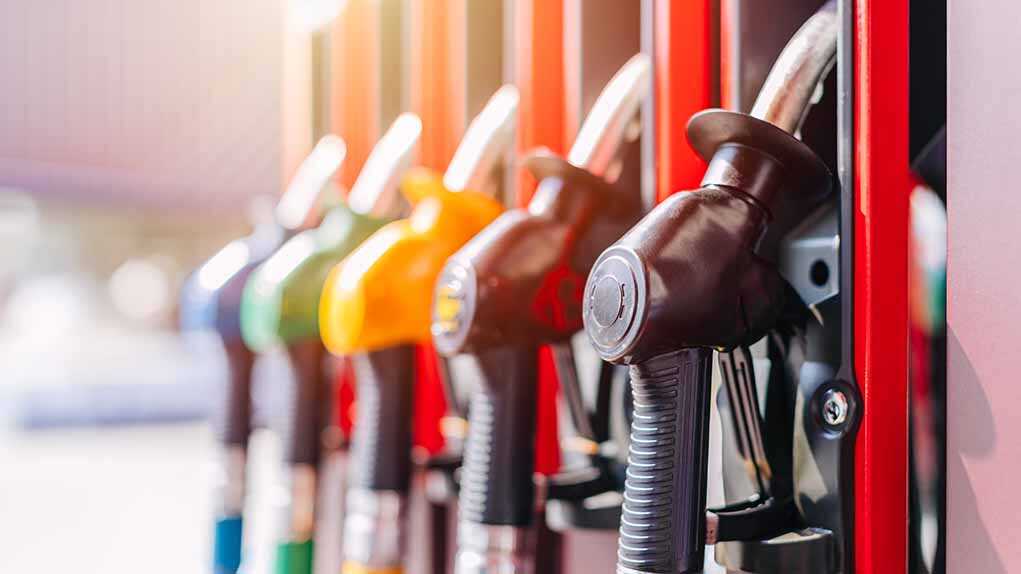
Gas prices tumbled nationwide ahead of Thanksgiving, delivering real relief at the pump even as holiday travel surged.
Story Highlights
- AAA reported a steep weekly drop in the national average, with prices sliding into the mid-$3 range.
- President Trump said crude “plummeted” after the election and urged oil companies to cut retail prices.
- Market trackers showed crude and gasoline benchmarks falling sharply through late November.
- AAA said demand ticked up before the holiday while pump prices still fell.
Pump Prices Fell Fast Heading Into Thanksgiving
AAA said the national average price for regular gasoline fell 18 cents in a week to $3.72 by November 19, with the average continuing lower into Thanksgiving week. The association linked the drop mainly to crude oil sliding into the low $80s per barrel. AAA also noted that prices stayed more than 60 cents per gallon above the same time last year. The sharp decline still mattered for families planning road trips, budgets, and holiday travel routes across the country.
Trading Economics data showed gasoline futures and Brent crude dropping through late November, pointing to broad market pressure on pump prices. That market move lined up with what many drivers saw on corner signs. Lower wholesale costs typically pass through to retail with a lag, but the pace quickened into the holiday rush. This cut average fill-up costs for pickups, SUVs, and family vans, even as many households still faced higher food prices and other inflation hangovers from prior years.
White House Pressure Put Retailers And Producers On Notice
President Trump highlighted the timing, saying crude prices “plummeted” after the election and calling on ExxonMobil and Chevron to “give some of that back to the public” by cutting consumer prices. Those remarks pressed the industry to pass savings through faster. The statements did not replace market forces, but they made clear the administration expected fair pricing and quick relief. Public pressure can tighten margins when wholesale costs fall, helping drivers see the drop at the pump sooner.
AAA reported that gasoline demand rose from 8.76 million to 8.79 million barrels per day in the latest federal data, even as prices fell. That combination suggested the decline was not just a demand slump. Instead, cheaper crude and steady refining helped push prices down before holiday travel. This matters for families who have watched budgets strain under high energy costs. When prices drop despite more drivers on the road, households gain breathing room that Washington’s big spenders once dismissed as impossible.
Market Drivers And The Limits Of The Win
Energy economists have long said crude oil costs are the top driver of pump prices, with refining, transport, retail margins, and taxes rounding out the rest. The November slide followed broader declines in crude benchmarks and gasoline futures tracked daily by market services. Analysts also cited seasonal factors and strong refinery runs helping inventories, while recent geopolitical risks eased from earlier spikes. These forces combined to produce a visible, wallet-level change for motorists heading into Thanksgiving.
AAA and industry analysts cautioned that, despite the welcome drop, the national average remained above last year’s level. That means the holiday break is real but partial. Families still carry the cost of years of high inflation and energy shocks. The difference now is direction. Cheaper crude and a White House that favors American production, pipelines, and common-sense permitting can sustain lower prices if markets stay calm. Vigilance still matters because shipping threats or new conflicts could raise costs again.
What Comes Next For Drivers And Energy Policy
Short term, families should see competitive prices where stations move fast to reflect cheaper wholesale fuel. Regional differences will persist due to taxes, blends, and local supply constraints. National averages, however, are likely to respond to crude trends first, then refining and margins. If producers keep supply steady and refiners maintain high runs, retail prices can keep easing into December. The key is keeping America’s energy engine strong, reliable, and free from red-tape roadblocks that choke supply.
Policy direction also matters. When Washington backs domestic drilling, reliable pipelines, and efficient refineries, households benefit. President Trump’s message to cut retail prices signals a government stance that favors consumers over bureaucratic excuses. Market math did the heavy lifting in November, but leadership helped speed accountability at the pump. For now, drivers get a Thanksgiving gift: more miles for their dollar, fewer budget surprises, and a reminder that strong energy policy supports family life and American freedom.
Sources:
explorevenango.com, woodallscm.com, gasprices.aaa.com, marinelink.com