

Oklahoma’s governor urged President Trump to cut an immigration deal that lets states issue work permits, triggering swift pushback from conservatives who call it amnesty-lite.
Story Highlights
- Gov. Kevin Stitt proposed state-issued work permits when employers vouch for a worker.
- Stitt said he opposes automatic citizenship and tied permits to security checks.
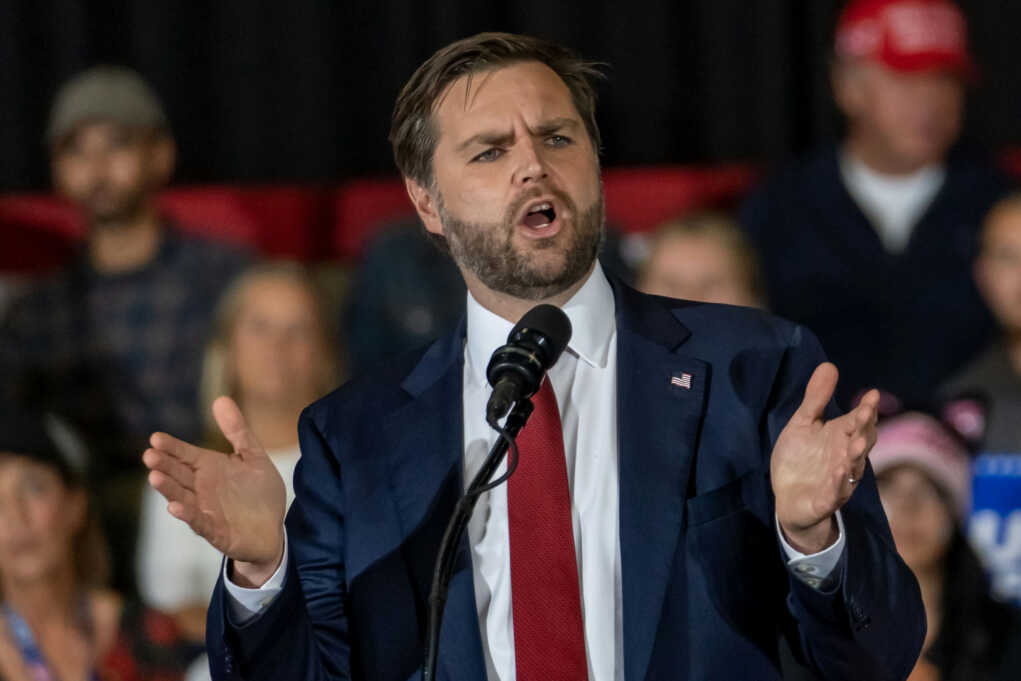
- Vice President JD Vance warned the idea sounds like amnesty and is “disastrous”.
- Key legal details and the federal authority for state permits remain unclear.
Stitt’s Pitch: State Work Permits If Employers Vouch
At a November forum, Oklahoma Gov. Kevin Stitt said governors should be able to issue work permits if an employer vouches for the worker. He framed it as a simple, narrow fix for people already working and contributing, without granting citizenship. Reports say Stitt paired it with background checks and a secure border. He suggested other governors saw room for a bipartisan push, though no formal plan or text has been released yet.
Reporting describes Stitt’s position as allowing work authorization but not automatic citizenship or a path to vote. He argued that nonviolent, productive workers should not face the same outcomes as violent offenders. The idea aims to help employers keep reliable staff and stabilize local economies while separating criminals from workers. However, the public record does not show rules for eligibility, renewals, oversight, or penalties for fraud and abuse in any draft plan.
Vance’s Rebuttal: Sounds Like Amnesty, Risks The Movement
Vice President JD Vance quickly pushed back. He said many Americans will see “bipartisan immigration reform” as amnesty for people who broke the law. He called that approach morally and electorally disastrous. Vance said he supports tougher action against visa fraud and against employers who break immigration law, but warned against any deal that rewards illegal entry with legal work status. His statement set a sharp line inside the party.
Vance’s case rests on a clear concern: once Washington grants papers to those here illegally, the magnet grows. In past fights, legalization first and enforcement later often meant enforcement never came. Vance’s comments center the lesson that incentives matter. If work permits flow before the border is secure and laws are enforced, the policy could repeat old mistakes and pull more people north. That is why many conservatives bristle at “deal now, details later” talk.
Missing Pieces: Law, Authority, and Guardrails
No bill text explains who would qualify, how long permits last, or how states would vet applicants. The proposal does not show how to prevent fraud, coercion, or discriminatory sponsorship by employers. It also leaves unclear whether the permit would block removal or only allow work while a case is pending. These gaps are not minor; they decide whether the idea strengthens the rule of law or weakens it at the seams.
There is also a constitutional question. Federal law controls immigration and work authorization. The Supreme Court has struck down state efforts that intrude on this federal field, while allowing limited space for state licensing rules. Any plan for state-issued work permits would likely require clear action by Congress to delegate authority, with tight limits to avoid preemption fights and courtroom chaos that would stall employers and workers alike.
What It Means For President Trump’s Agenda
President Trump campaigned on strong borders, law and order, and putting American workers first. Any reform must meet those tests. That means closing the loopholes cartels exploit, stopping catch-and-release, punishing illegal hiring, and raising wages for citizens and legal residents. If Congress considers a permit idea, it must come only after proven border gains, universal work-eligibility checks, tough employer penalties, and fast removals for criminals and recent unlawful entrants.
Conservatives should insist on simple, firm rules. Secure the border first. Mandate nationwide electronic employment checks with swift audits. Set strict penalties for employers who cheat. Increase resources for immigration courts to end years-long backlogs. If any narrow work authorization is debated, demand ironclad limits, sunset dates, fraud audits, and immediate cancellation for any violation. Do not repeat the cycle where promises of enforcement fade once papers are issued.
Bottom Line For Readers
Gov. Stitt put a controversial idea on the table: state work permits tied to employer sponsorship. He says it is not citizenship and would include security checks. Vice President Vance warns it still looks like amnesty and would hurt the movement. The law likely requires Congress to act before states could do this. Until border control is real and employer fraud is crushed, conservatives will see such permits as the cart before the horse.
This debate is not about compassion versus cruelty. It is about the rule of law, safety, and fair wages for American families. Real reform starts with control and accountability. If Washington wants a deal, it must prove enforcement first, protect workers from wage suppression, and shut the back door for good. Anything less risks another broken promise and a bigger crisis the next time around.
Sources:
twitchy.com, washingtonexaminer.com, hindustantimes.com, brookings.edu