
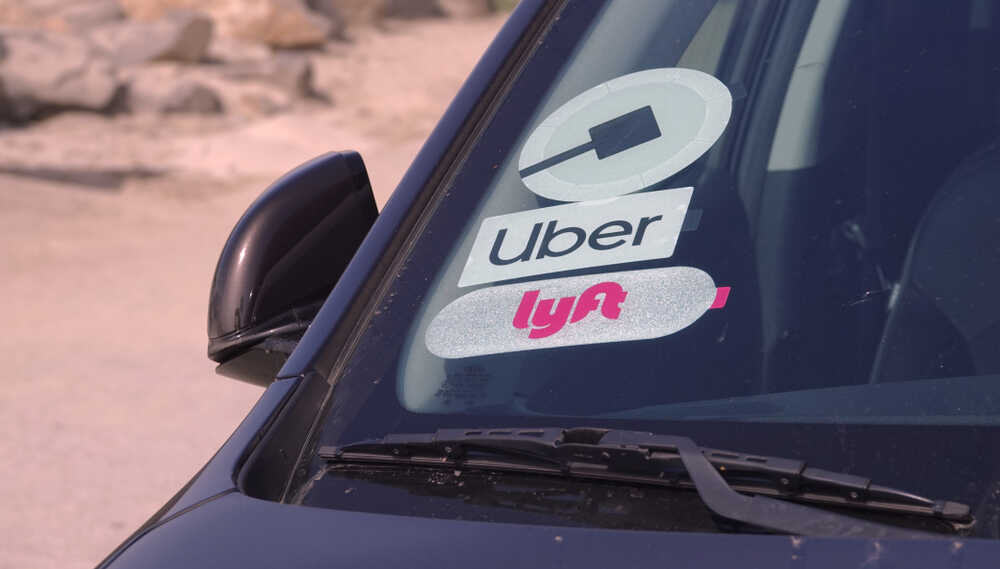
Illinois just opened the door for union-run rideshares, and riders could pay the price.
Story Snapshot
- Illinois lawmakers passed a bill to let Uber and Lyft drivers unionize [2].
- Backers say bargaining will boost pay and safety for 100,000 drivers [1].
- Opponents warn of higher fares and long delays before drivers see gains [2].
- Illinois’ broader contractor rules add cost and legal risk to platforms [6].
Illinois Moves To Unionize Rideshare Drivers
On June 1, Illinois lawmakers passed a bill to let rideshare drivers form unions and bargain with platforms. The move makes Illinois one of a few states testing union power in app-based work [2]. Supporters frame the bill as a fix to low pay, surprise deactivations, and safety gaps. They argue drivers need a real seat at the table. The plan targets statewide bargaining, not just city rules, which could standardize pay and policies across markets.
A driver-led coalition, the Illinois Drivers Alliance, says Uber agreed not to fight a pathway to bargaining. The group calls it a “historic breakthrough” after years of organizing [1]. Their message is simple: unite 100,000 drivers to win better rates, clear discipline rules, and safer working conditions. That scale matters. A large unit could have leverage in talks. But it also raises stakes for riders and small businesses that depend on affordable, fast rides.
What Riders And Drivers Should Expect First
Reason magazine reports the measure allows unionization but does not set final pay or rules yet. Those details would come through bargaining and could take time [2]. Past cases suggest first contracts can take months or longer. That means riders may face uncertainty on pricing while companies and unions hash out terms. Drivers could wait for concrete gains like rate floors or benefit funds until a contract is signed and implemented.
Prices are the pressure point. When labor costs rise, platforms often pass costs to riders through higher fares or new fees. Reason’s analysis flags that risk for Illinois riders and tourists [2]. Higher prices can shrink demand, which then hits driver hours. If fewer people ride, total trips can fall. The challenge is finding a balance where drivers earn more without pushing riders off the app. That balance is hard to strike in practice.
How Illinois Law Already Shapes Gig Work
Illinois has been adding rules for contract work beyond rideshare. The state’s Freelance Worker Protection Act sets contract and payment standards for independent contractors. It bars retaliation and requires written terms for covered work [6]. These rules raise compliance costs for companies that rely on contractors. Layering a union framework on top means even more legal steps, enforcement risks, and potential penalties for mistakes.
A University of Illinois analysis notes that when governments push toward employee-like protections, companies face minimum wage, overtime, and bargaining-related costs [5]. Platforms often respond by tightening dispatch rules, capping access in slow hours, or adding fees. That can reduce the flexibility that drew many to gig work in the first place. Drivers who liked picking up a few late-night trips may find fewer open slots if companies manage supply more closely to control expenses.
Supporters’ Case: Bargaining Power And Safety
Organizers argue that statewide bargaining can end the race to the bottom on pay. They say union talks can set clear rates, mileage adjustments, and deactivation appeals that protect drivers from sudden income loss [1]. Safety is central to their pitch. They want better support after assaults, faster help lines, and fair investigation rules. They also point to earlier experiments, like New York driver groups, to show that platforms sometimes accept structured talks once organizing is durable [5].
For many drivers, predictability matters more than raw app freedom. A baseline pay, fuel adjustments, and a real appeal path can stabilize weekly earnings. That is the heart of the union case. The question is whether those gains will arrive soon or get stuck in long talks. Without firm timelines, drivers could face months of waiting while riders see fare changes much faster. Illinois families will judge the deal by what they pay and what drivers actually take home.
Risks: Higher Fares, Fewer Trips, Slower Wins
Opponents warn that unions may raise fares and reduce service in low-income and rural areas first. Reason’s report stresses that the bill creates the right to bargain but not the results, so costs may rise before benefits land [2]. If fares jump, light users cut back rides. That can push more cars to peak times only, creating longer waits elsewhere. The risk is a two-tier market: costly downtown service and thin suburb coverage.
For the Trump-era focus on growth and consumer choice, the stakes are clear. Illinois families need safe drivers and fair pay. They also need rides to be affordable, reliable, and fast. Lawmakers should set guardrails on timelines for first contracts, clear transparency on any new fees, and protections for part-time drivers who value flexibility. Union power should not become a backdoor tax on riders or a limit on work for people trying to earn on their own terms.
What To Watch Next In Illinois
Watch three items: fare levels, driver flexibility, and contract timing. If fares spike, lawmakers will feel heat from commuters and seniors. If flexibility shrinks, part-time drivers may leave the app, cutting coverage. If contract talks stall, pressure will build to legislate rate floors rather than bargain them. The initial months will set the tone. Illinois chose a big test. The outcome will ripple far beyond Chicago and into every community that leans on rideshare to live and work [2].
Sources:
[1] Web – Your Uber Driver May Soon Be Unionized. At What Cost?
[2] Web – Illinois Drivers Alliance Announces Historic Breakthrough that Paves …
[5] Web – During the spring legislative session, Illinois became the third state …
[6] Web – [PDF] Making Gigs Work – University of Illinois