
A drone strike on Saudi Arabia’s critical oil pipeline just hours after a U.S.-Iran ceasefire announcement raises urgent questions about whether America’s enemies respect diplomatic agreements—or exploit them as cover for escalation.
Story Snapshot
- Iranian drone attacked Saudi Arabia’s East-West Pipeline on April 8, 2026, just hours after ceasefire announcement
- Pipeline was operating at emergency capacity of 7 million barrels per day, serving as Saudi Arabia’s economic lifeline with Strait of Hormuz closed
- Attack contained but disrupted oil flows, sending global energy markets into volatility amid ongoing Middle East conflict
- Incident exposes fragility of diplomatic truces when adversaries continue targeting critical infrastructure
Ceasefire Violated Within Hours
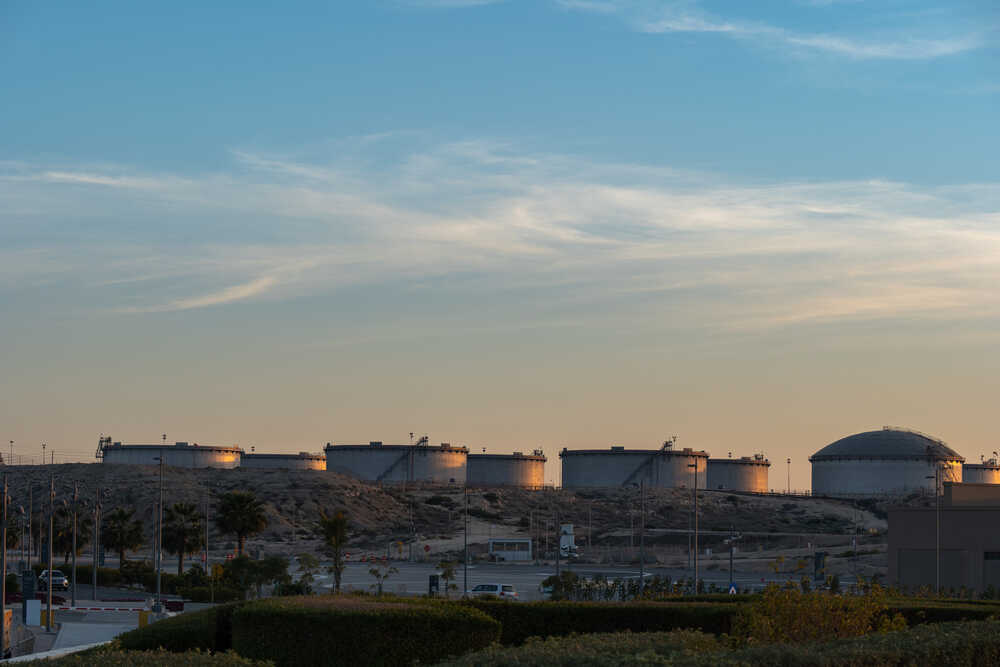
Iranian drones struck a pumping station on Saudi Arabia’s East-West Pipeline around 1 p.m. local time on April 8, 2026, mere hours after the United States and Iran announced a two-week ceasefire. The 1,200-kilometer pipeline, operational since 1981, transports crude oil from the Eastern Province to the Red Sea terminal at Yanbu. Saudi Aramco confirmed the attack caused a fire that firefighters contained, with no casualties reported. The timing raises fundamental concerns about Iran’s commitment to de-escalation while American negotiators pursue diplomatic solutions.
Critical Infrastructure Under Siege
The East-West Pipeline has become Saudi Arabia’s vital artery for oil exports after ongoing Middle East conflict closed the Strait of Hormuz to shipping. Operating at emergency capacity of up to 7 million barrels per day, the pipeline allows Saudi Arabia to bypass the disrupted strait and maintain exports through Red Sea routes. This strategic infrastructure serves as the kingdom’s economic lifeline, yet Iran targeted it precisely when it matters most. The attack follows a pattern of Iranian drone campaigns against Gulf energy facilities, including a March 2026 strike on Aramco’s Ras Tanura refinery and recent hits on Kuwait and UAE installations.
Market Chaos and Energy Security Concerns
Global oil markets reacted immediately to the strike, with Brent and WTI futures rising on supply disruption fears. Saudi Aramco reported temporary oil flow disruptions in the affected pipeline section and began damage assessments while evaluating rerouting options. While sources characterize the damage as limited with no full shutdown, the attack amplifies existing energy security anxieties stemming from Hormuz closure and regional instability. For American consumers already struggling with energy costs, this assault on critical infrastructure threatens further price volatility. The incident demonstrates how Iran’s actions directly impact everyday Americans filling their gas tanks.
Pattern of Broken Promises
This attack mirrors a troubling pattern where America’s adversaries use diplomatic negotiations as tactical cover while continuing hostile operations. Iran has systematically targeted Saudi and Gulf energy infrastructure throughout 2026, yet accepted ceasefire terms only to violate them within hours. The September 2019 Abqaiq-Khurais attacks, which the United States attributed to Iran despite Houthi claims, temporarily halved Saudi oil output. The current strike, though causing less immediate damage, occurs amid far more precarious global energy conditions. Industry analysts question whether any truce with Iran holds genuine value when Tehran demonstrates willingness to strike critical infrastructure during supposed peace negotiations.
Government Failures and Elite Priorities
The Biden administration’s diplomatic efforts with Iran throughout 2024-2025 failed to prevent this escalating conflict, leaving the Trump administration to manage a full-scale crisis in 2026. Many Americans across the political spectrum question whether Washington’s foreign policy establishment prioritizes photo-op ceasefires over meaningful accountability for adversaries who attack energy infrastructure. Gulf state allies face Iranian aggression while American negotiators pursue agreements that Tehran violates immediately. The attack underscores a reality that frustrates citizens from both parties: diplomatic elites celebrate process over results while ordinary Americans face consequences through energy price spikes and global instability stemming from unchecked Iranian aggression.
Sources:
Iran Attacks Saudi Arabia’s East-West Oil Pipeline – OilPrice.com
Saudi Arabia’s Vital East-West Pipeline Attacked by Drones – UNN
Saudi Arabia’s East-West Oil Pipeline Hit in Drone Attack – Investing.com