

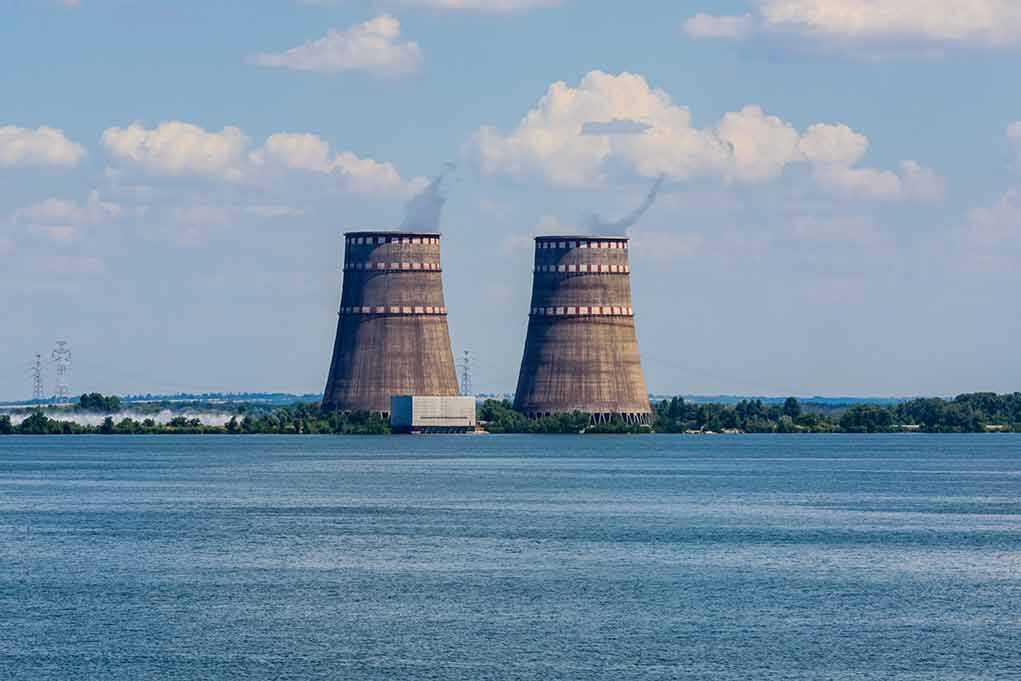
A deadly drone blast at a Zaporizhzhia nuclear plant bus stop injured staff and underscored rising risks around a critical nuclear site.
Story Highlights
- The International Atomic Energy Agency (IAEA) reported a drone exploded at a staff bus stop, killing one and injuring others.
- IAEA updates say recent drone incidents hit areas near cooling systems and training facilities, but no radiological release was reported.
- IAEA called drone activity near the plant a direct threat to nuclear safety and urged restraint by all sides.
- The pattern of drone incidents at Zaporizhzhia has persisted through 2025 and 2026, raising cumulative risk.
IAEA: Drone Blast Hit Staff Transit Point, Caused Casualties
The International Atomic Energy Agency said a drone exploded at a bus stop used by staff of the Zaporizhzhia nuclear plant around 6 a.m., killing one person and injuring others, including serious cases. The Agency said nuclear safety systems were not affected in this incident, and plant operations continued under heightened caution. The report came from the team on site that receives updates from the plant’s management. The blast site sits near areas vital to safe cooling and support functions.
The Agency previously warned against any drone use near the plant, saying these attacks raise the risk of a major nuclear accident even if no radiation is released. The IAEA’s field presence has recorded multiple episodes in 2025 and 2026, including strikes near the training center and the perimeter road. Each event forces safety checks, diverts staff, and strains backup procedures meant to keep the reactors and spent fuel storage safe during conflict conditions.
Repeated Incidents Near Key Safety Assets Heighten Danger
IAEA updates describe a troubling pattern: drones targeting or landing near cooling water ponds, the external radiation lab, and a turbine building have been reported since spring 2026. A May strike damaged meteorological monitoring gear that supports safety planning and emergency response. Another report cited damage to a turbine building wall inside the site perimeter, marking an escalation in site-level risk, though core safety remained intact. These events add pressure to already thin margins during wartime operations.
IAEA statements say the site team has not observed drones launched from within the plant, and any attack from the plant would violate the Agency’s five concrete principles for nuclear safety in conflict. The principles call for no targeting of the plant, no use of it as a base for heavy weapons, and protection of offsite power. Each drone blast, even outside the protected area, risks fire, debris, and panic among staff. That can slow routine checks and delay time-critical maintenance.
Why This Matters To U.S. Readers And Energy Security
Energy stability and public safety suffer when a nuclear site becomes a battlefield. A serious incident at Europe’s largest nuclear plant would spike energy jitters, hit supply chains, and send prices higher. American families already feel strain from years of bad energy policy, high costs, and global shocks. Continued strikes near Zaporizhzhia raise the chance of shutdowns or grid stress in Europe that can ripple into fuel markets and raise costs here at home. That is not theory; markets move on fear.
The UN nuclear watchdog says it has been informed of three drone incidents at Russian-held Zaporizhzhia nuclear power plant in southeastern Ukraine earlier this week.https://t.co/T1xvckx5x2
— Al Arabiya English (@AlArabiya_Eng) August 28, 2026
IAEA leaders are pressing all sides to stop drone activity near Zaporizhzhia and to allow consistent access so experts can check damage and verify safety conditions on the ground. That is the minimum step needed to protect workers and keep the reactors and spent fuel safe. For Americans, the lesson is clear: secure energy and safe nuclear operations depend on clear rules, firm deterrence, and zero tolerance for attacks near critical plants. Anything less invites a disaster no one wants.
Sources:
insiderpaper.com, reuters.com, iaea.org, aljazeera.com, nucnet.org, english.alarabiya.net, unn.ua