
A bomb-threat hoax at a Manhattan cancer hospital shows how fast public safety can unravel when insiders allegedly decide to settle scores.
Quick Take
- A suspicious package with a note claiming it was a bomb was left in Memorial Sloan Kettering’s lobby on March 14, 2026, triggering a major NYPD response.
- The NYPD bomb squad used a controlled detonation and determined the package was non-hazardous, but York Avenue was shut down for hours.
- News reports tied the incident to a former employee, while police publicly described a “person of interest” who was detained and taken to a hospital.
- The scare landed amid a heightened-security environment on the Upper East Side after a recent ISIS-linked incident and amid MSK’s 2025 layoffs tied to a major budget deficit.
Bomb-Scare Response at a Major NYC Cancer Center
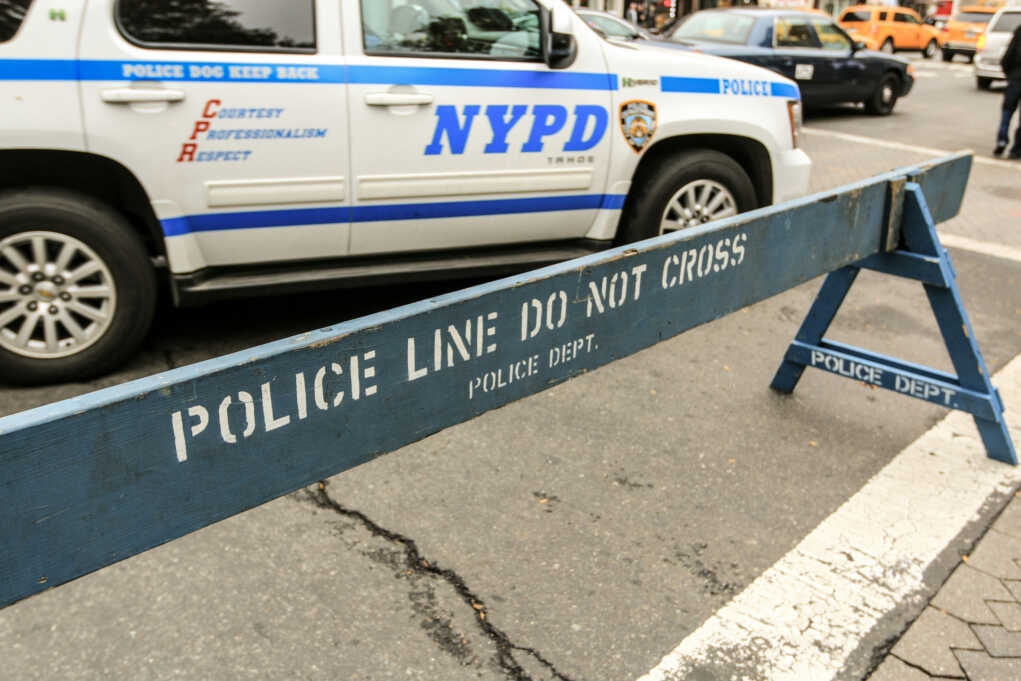
Police and emergency responders converged on Memorial Sloan Kettering Cancer Center at 1275 York Ave. in Manhattan on March 14, 2026, after a suspicious package was reported in the lobby shortly after noon. The NYPD sealed off a stretch of York Avenue as the bomb squad assessed the threat. By about 3 p.m., officers carried out a controlled detonation and confirmed the package was not hazardous, allowing streets to reopen.
Ex-Memorial Sloan Kettering Cancer Center employee arrested for bomb threat at NYC hospital https://t.co/DUrwN9hYjC pic.twitter.com/BoHMbGAXdN
— New York Post (@nypost) March 15, 2026
Authorities treated the situation as credible until proven otherwise, particularly because the hospital serves vulnerable patients and maintains constant foot traffic. Initial reporting described an “ex-employee” being arrested, but police statements characterized the individual more cautiously as a “person of interest” who was picked up and taken to a hospital. The suspect’s name and the reason for hospitalization were not provided in the available reporting, and no charges were specified.
What’s Confirmed—and What’s Still Unclear
Reporting agrees on the central facts: the package contained a note claiming it was a bomb, the NYPD bomb squad responded, and the item was ultimately deemed non-hazardous after a controlled detonation. The unresolved part is procedural—whether the detained person was formally arrested or simply held as an investigative lead. That distinction matters because it shapes how the public evaluates accountability, and it underscores why clear, timely law-enforcement updates are crucial during public safety incidents.
Even with a non-hazardous outcome, the disruption was real. Closing streets near a major medical facility affects ambulances, visitors, staff shift changes, and patients who often cannot afford delays. For New Yorkers, it also reinforces a grim reality: threats don’t have to be “real bombs” to impose real costs. Hoaxes consume limited police resources and create panic in places where people should be focused on care, not scanning lobbies for the next threat.
Heightened Alert After a Recent Extremism-Linked Incident
The Upper East Side has been jumpy in March 2026 because the neighborhood recently saw a separate incident involving teens accused of tossing non-detonating IEDs near a protest around Gracie Mansion. That earlier case was described by officials as extremist-motivated, adding context for why the NYPD took no chances at the hospital. When communities face repeated threats—whether ideological or personal—the baseline for what “normal” looks like starts to shift in a dangerous direction.
From a constitutional, law-and-order perspective, this is exactly where government’s role is legitimate: protecting life and maintaining public safety in the face of credible threats. The challenge is balancing that mission without slipping into permanent emergency-mode policies that treat ordinary Americans like suspects. It focuses on the incident response and context; it does not document any proposed new surveillance measures or policy changes tied to this case.
Insider Risk and Institutional Strain After Layoffs
Multiple reports tied the scare to an alleged insider—described as a former MSK employee—at a time when the institution has faced internal strain. MSK previously announced layoffs of roughly 400 staff in September 2025, linked to deficit projections reportedly around $200 million for 2026. It does not confirm a motive, but it does show how workforce turmoil and security vulnerabilities can intersect, especially in large, high-pressure healthcare environments.
MSK’s own published safety information emphasizes structured preparedness: partnerships with the NYPD, hazard vulnerability analyses, an incident command system, and recurring emergency drills. Those measures are designed for exactly this kind of moment—fast lockdown decisions, coordinated communications, and continuity planning. Yet the broader lesson is uncomfortable: the most elaborate perimeter security can be undermined if a trusted individual abuses access or knowledge, even to stage a hoax.
Sources:
Bomb scare at MSK shuts York Ave. for several hours
Campus Safety (Memorial Sloan Kettering)
Memorial Sloan Kettering Cancer Center Phishing Attack