

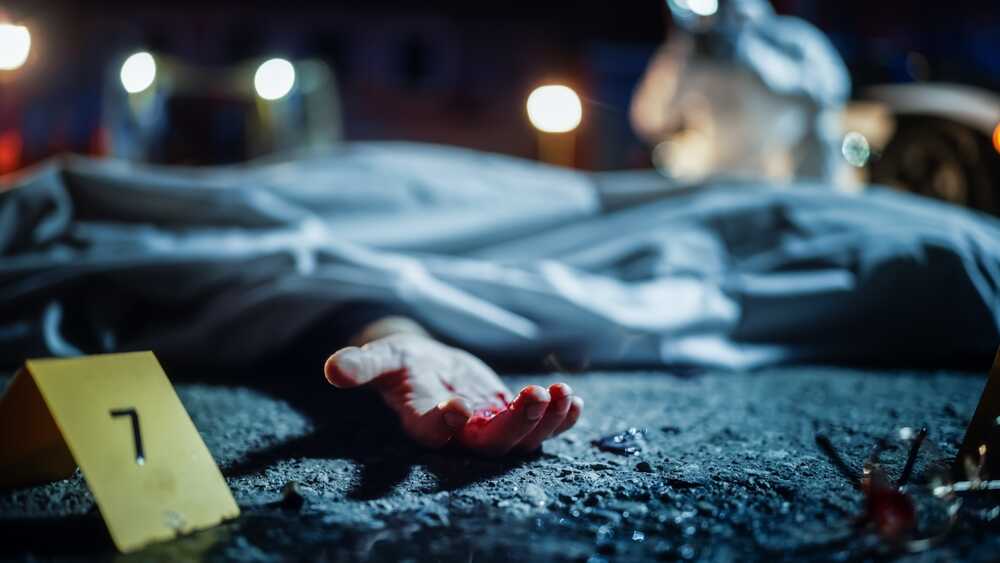
Serial killer rumors have exploded across social media in Houston following routine bayou body recoveries, causing widespread hysteria and threatening to undermine law enforcement. Police and Harris County officials are moving swiftly to debunk the baseless claims, emphasizing that the consistent body count reflects normal urban tragedy patterns, not the work of a coordinated criminal.
Story Highlights
- Three recent Bayou Body Recoveries sparked viral serial killer conspiracy theories across social media platforms
- Houston police and Harris County DA firmly reject rumors, citing separate investigations with no linked evidence
- 2025 total of 34 bayou recoveries mirrors 2024’s 35, indicating normal urban waterway tragedy patterns
- Criminal justice officials attribute deaths to accidents and intoxication, not criminal activity
Officials Counter Social Media Misinformation Campaign
Houston Police Chief Noe Diaz and Harris County District Attorney officials moved swiftly to debunk viral rumors claiming a serial killer operates in the city’s bayou system. The speculation erupted after three bodies were recovered from local waterways in late December 2025, pushing the year’s total to 34 recoveries. Chief Diaz emphasized that such rumors “stir fear and anxiety” unnecessarily, while the DA explicitly stated “there is not a serial killer” operating in Harris County.
University of Houston Criminal Justice Professor Krista Gehring explained that bayou body recoveries typically result from accidents or intoxication-related incidents, not evidence disposal as depicted in television crime shows. Retired Houston Police Captain Greg Fremin reinforced this assessment, describing Houston as a “relatively safe city” while encouraging reasonable vigilance. The consensus emphasizes that vulnerable populations, including homeless individuals and those under the influence, face higher risks near accessible urban waterways.
No, Houston. There’s not a serial killer dumping bodies in the bayous. At least that’s what Harris County District Attorney Sean Teare says. @kprc2 pic.twitter.com/24TXEyxQUM
— Gage Goulding – KPRC 2 (@GageGoulding) December 30, 2025
Historical Pattern Reveals Normal Urban Tragedy Rates
Data from 2024 and 2025 demonstrate consistent annual totals that contradict serial killer theories. Last year saw 35 body recoveries from Houston-area bayous, while 2025’s current count of 34 represents a nearly identical pattern. These numbers reflect the reality of a major metropolitan area with extensive waterway systems, where accidents and individual tragedies occur regularly. Each case undergoes separate investigation protocols, with no evidence linking the deaths to coordinated criminal activity.
The current wave of speculation mirrors similar false rumors that emerged in September 2025 when five bodies were recovered within a week. Chief Diaz held a news conference at that time to address the unfounded claims and reassure the community. The recurring nature of these conspiracy theories highlights how social media amplifies fear-based narratives that lack a factual foundation, potentially damaging public trust in legitimate law enforcement communications.
Misinformation Threatens Community Safety and Trust
The spread of serial killer rumors presents multiple dangers to Houston communities beyond simple misinformation. False narratives can erode confidence in police investigations, divert resources from legitimate public safety concerns, and create unnecessary anxiety among residents living near bayou areas. Social media users from other states, including Nevada, have amplified these theories, demonstrating how local misinformation can damage a city’s reputation nationally.
Local media outlets face the challenge of combating viral conspiracy theories while maintaining factual reporting standards. The persistence of public skepticism, despite consistent official denials and explanations, underscores the difficulty of countering emotionally charged misinformation with evidence-based analysis. This situation exemplifies broader concerns about social media’s role in spreading unverified claims that can harm communities and institutions.
Watch the report: ‘There is not a serial killer’: Harris County DA disputes rumors after more bodies found in bayous
Sources:
Social media rumors spark after 3 bodies found in Houston’s Bayou, officials say rumors are false