
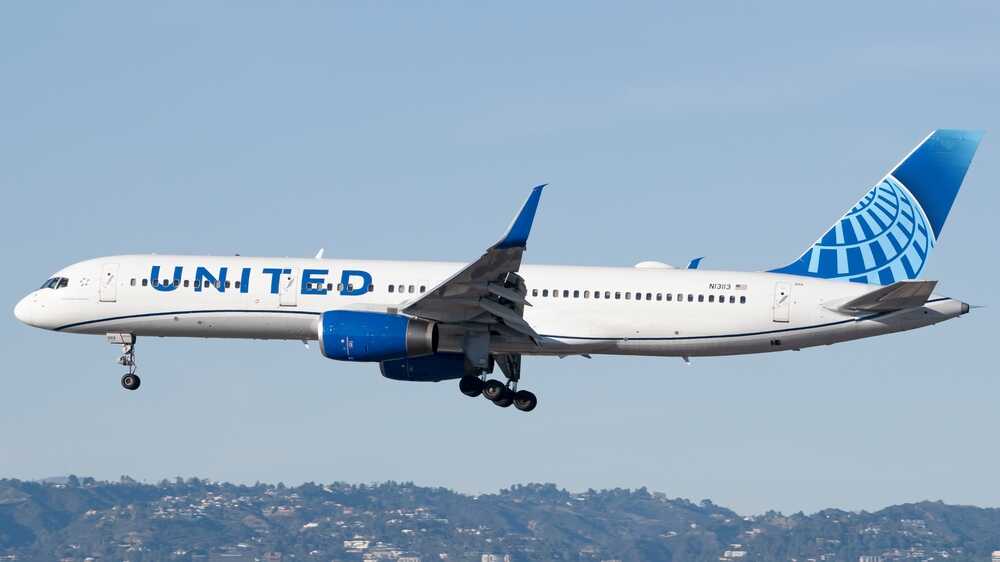
United Airlines Flight 803’s engine failure during takeoff from Dulles Airport highlights ongoing concerns about aging aircraft reliability, even as professional emergency response prevented what could have been a catastrophic international incident. The swift action of the flight crew, who were forced to execute an emergency return, ensured the safety of all 275 passengers and 15 crew members, despite the failure sparking a brush fire near the runway. The Federal Aviation Administration has launched an immediate investigation, raising critical questions about maintenance standards and component fatigue on the aging wide-body aircraft fleet.
Story Snapshot
- Boeing 777-200 bound for Tokyo suffered engine power loss shortly after takeoff, forcing an emergency return to Dulles
- All 275 passengers and 15 crew members remained safe despite an engine failure sparking a brush fire near the runway
- FAA launched an investigation into the cause while United scrambled replacement aircraft for delayed passengers
- The incident raises questions about maintenance standards and engine reliability on the aging wide-body aircraft fleet
Emergency Return Saves Lives at Dulles
United Airlines Flight 803 experienced catastrophic engine power loss shortly after departing Dulles International Airport on December 13, 2025, forcing pilots to execute an emergency return landing around 1:20 p.m. The Boeing 777-200, carrying 290 people to Tokyo, demonstrated the critical importance of pilot training and aircraft redundancy systems when facing mechanical failure during aviation’s most dangerous phase.
United Airlines flight 803 bound for Tokyo returns safely to Dulles International Airport, after an engine issue on takeoff sparked a brush fire along the runway. Fire crews remain on scene. No injuries reported. pic.twitter.com/ptJVmBn05V
— Breaking Aviation News & Videos (@aviationbrk) December 13, 2025
Brush Fire Compounds Airport Emergency Response
The engine failure triggered a secondary emergency when debris or exhaust sparked a brush fire near the runway during takeoff. Airport fire crews and Loudoun County Fire and Rescue teams quickly extinguished the blaze, preventing potential spread to airport infrastructure or nearby communities. This dual-threat scenario tested emergency protocols that proved effective in containing both aviation and ground-based hazards simultaneously.
FAA Investigation Targets Engine Reliability Concerns
Federal Aviation Administration investigators launched an immediate probe into the engine failure cause, focusing on whether mechanical defects, maintenance issues, or component fatigue contributed to the power loss. The Boeing 777-200 typically uses GE90 series engines, which have faced previous FAA scrutiny following uncontained failures on similar aircraft. This investigation could influence future airworthiness directives affecting the entire 777 fleet nationwide.
United Scrambles Passenger Recovery Operations
United Airlines temporarily closed a United Club lounge to provide rebooking support for stranded passengers while promising to resume the Tokyo flight using replacement aircraft later that day. The airline expressed gratitude to crew and airport teams for their professional response during the crisis. However, the incident exposes vulnerabilities in long-haul international operations where mechanical failures create significant passenger disruption and operational costs for carriers.
Watch the report: Plane loses engine after Dulles takeoff, causing brush fire
Sources:
United Airlines flight loses engine power after takeoff from Dulles Airport – The Washington Post
United Airlines flight returns to Dulles airport after engine loses power during takeoff