

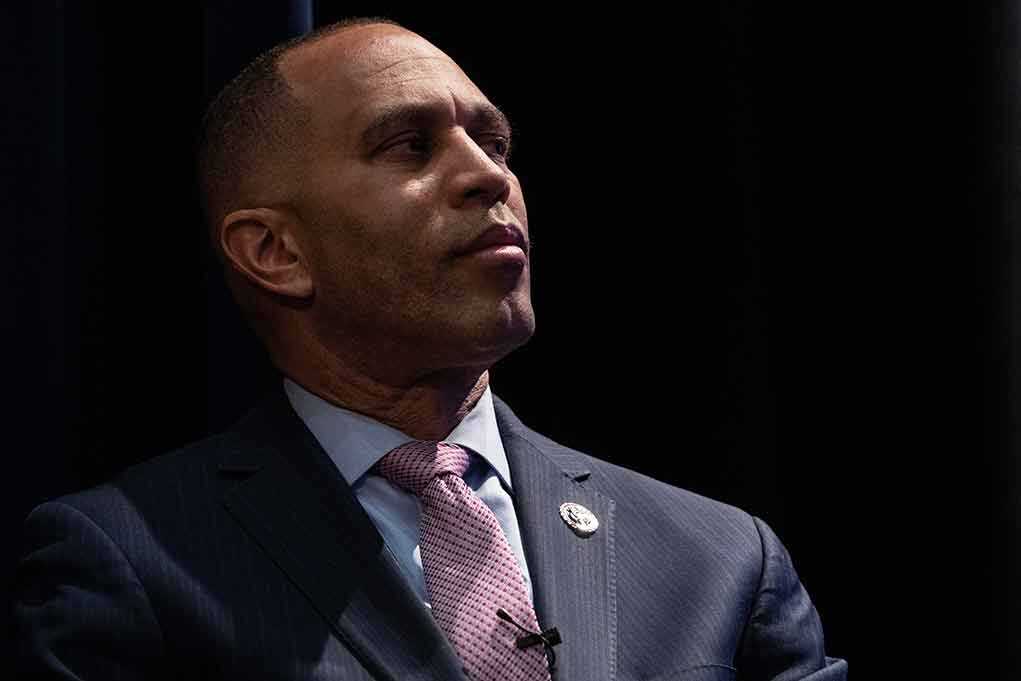
House Democratic Leader Hakeem Jeffries refused to rule out a shutdown fight tied to Iran-war limits as a December 11 funding deadline nears, raising real risk for federal workers and national security.
Story Highlights
- Jeffries declined to say he would avoid using shutdown leverage over Iran-war limits.
- Federal funding expires December 11 without a new bill or a short-term extension.
- Several Senate Democrats threatened to oppose a stopgap bill unless it restricts Iran operations.
- Jeffries called the war “reckless” and rejected more money for Trump’s “war machine”.
Jeffries Leaves Shutdown Option on the Table
Hakeem Jeffries told reporters on November 12 that Democrats were still negotiating appropriations and working through priorities before December 11. Jeffries declined to say if he would block a short-term funding bill over demands to restrict funding for operations against Iran, keeping a shutdown threat alive. Reports described his answer as noncommittal, but intentionally open to leverage as deadlines approach. That stance signals pressure tactics, even as he avoided a direct commitment to force a shutdown.
Jeffries paired that posture with sharp language about the war. He said House Democrats “uniformly opposed providing any additional money to Donald Trump’s war machine” and called the conflict a “reckless and costly war of choice,” adding, “It should end today”. Those comments framed the funding dispute as a moral line for Democrats, not just a bargaining chip. The rhetoric also hardened the politics, since tying war policy to basic government operations invites a standoff near the holidays.
December 11 Deadline Creates Real Leverage and Risk
Congress faces a firm deadline: federal funding lapses on December 11 without a full appropriations bill or a continuing resolution. That date gives each side leverage to add policy riders or demand concessions. Senate Democrats Michael Bennet, Bernie Sanders, Chris Van Hollen, and Tammy Duckworth said they would oppose a short-term patch unless it includes language to restrict funding for the Iran war. Their public stance raised the odds of a floor clash if leadership cannot bridge differences.
The Hill reported that some Democrats urged using the deadline to force Iran-war limits, while others warned against a shutdown. The same reporting stated Republicans rejected tying a shutdown to restricting the president’s use of force, signaling a likely impasse if Democrats press the issue. The leverage is real, but so is the fallout. If talks fail, agencies could face disruptions, with federal workers and families paying the price for tactics that mix war policy with routine funding.
What We Know and What Remains Unclear
Evidence shows public pressure and active talks, but not final legislative text. Reports did not identify bill language, amendment numbers, or roll calls that would confirm adoption of Iran-war limits in an appropriations measure. Jeffries also did not commit to a shutdown tactic. He left space for a short-term extension that could punt decisions to next year. That means the shutdown threat exists as leverage, not as a settled Democratic plan. The record points to brinkmanship, not a finished strategy.
Hakeem Jeffries refuses to rule out a government shutdown to advance Democrats' agenda, dodging the question in a New York Times interview just weeks before the Dec. 11 federal funding deadline.
When asked directly if he would risk shutting down the government, the… pic.twitter.com/yhtq7YoG1r
— Fox News Politics (@foxnewspolitics) November 23, 2026
Conservative lawmakers and commentators warned that using must-pass funding to restrict operations could endanger service members and play politics with government basics. They argued leaders should keep the government open and debate war powers separately through clear votes, not hostage tactics near a deadline. That argument resonates with readers who want stable paychecks, secure borders, and a strong military while Washington debates policy the right way—out in the open, not under the gun of a shutdown clock.