
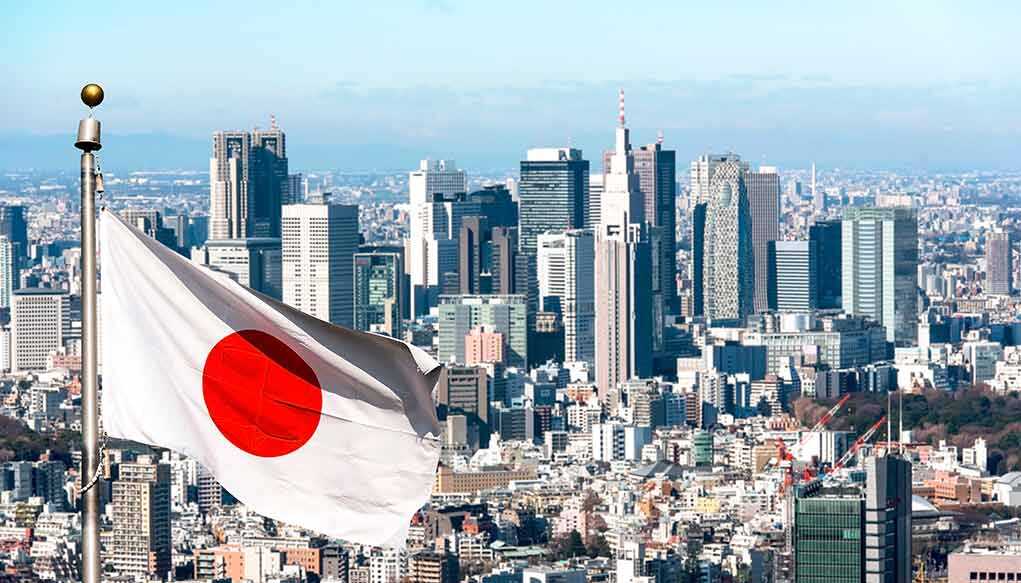
Japan pledged to pay its full 2027 International Criminal Court bill early to help the court weather U.S. sanctions pressure.
Story Highlights
- Prime Minister Sanae Takaichi promised the full 2027 payment by year-end after an ICC request.
- ICC President Tomoko Akane said early funds support ongoing operations under sanctions pressure.
- Japan is the court’s largest national funder, giving the move real budget impact.
- Tokyo reaffirmed support for the court’s independence and role, despite geopolitical tension.
Japan Advances 2027 Payment After Direct Tokyo Meeting
Prime Minister Sanae Takaichi told International Criminal Court President Tomoko Akane that Japan will pay its entire 2027 contribution by the end of 2026. The two met at the Prime Minister’s Office in Tokyo on November 24 for about 15 minutes, where Akane relayed the court’s request for early funds to protect operations. Japan’s public broadcaster reported the pledge soon after the meeting, citing the timing as a direct response to the court’s needs under sanctions pressure.
The Associated Press reported that Akane thanked Japan for the early support and linked the timing to the court’s ability to keep running amid sanctions. That framing matches earlier wire reporting that described the advance as a practical bridge for payroll and core functions. The reports describe a promise to pay by year-end, not a completed transfer, and do not list the exact 2027 amount. That detail remains unstated in public documents so far.
Largest Funder Signals Institutional Backing Under Strain
Japan is the International Criminal Court’s largest national contributor, giving the decision clear budget weight. Japan’s 2026 payment totaled about 4.6 billion yen, or roughly 15 percent of the court’s annual budget, according to figures cited in prior coverage. That scale means an early 2027 payment can stabilize cash flow as sanctions complicate banking and vendor relationships. While the exact 2027 assessment is not published, the size of Japan’s role is well established in recent reporting.
Japan’s Foreign Ministry said Tokyo will continue to strongly support the court and its president so the court can carry out its original mission. That position states backing for the court’s independence even as sanctions increase costs and friction. The statement underscores a policy choice by a close United States ally to keep the court funded while Washington applies pressure. The funding is described as timing relief, not a permanent increase or multi‑year boost.
Why It Matters For American Readers And U.S. Policy
The United States has sanctioned the court and its leadership, which can disrupt salaries, payments, and services. Japan’s move aims to blunt that hit by moving money earlier on the calendar. For American readers, the key fact is this: a top ally is stepping in to keep an international court running while Washington tightens screws. That dynamic affects global cases, diplomatic ties, and how allies share the load when sanctions cause second‑order problems for institutions.
🇯🇵🇺🇸 Japan is accelerating its funding of the International Criminal Court (ICC), as U.S. sanctions threaten the court's ability to operate.
Japanese PM Sanae Takaichi has pledged to pay Japan's FULL 2027 contribution before the end of 2026, months ahead of its usual payment… pic.twitter.com/570mcD2Qfk
— Mario Nawfal (@MarioNawfal) November 24, 2026
For conservatives who value sovereignty, the facts also show limits. Japan did not pledge extra money beyond what it owes. It did not change the court’s mandate. It advanced a due payment to preserve continuity. That is a classic burden‑sharing move by an ally, not an expansion of the court’s reach. The reports do not show how much of the court’s cash gap this covers or how long it carries operations. Those figures were not provided in the cited accounts.
What We Know And What We Do Not
We know Japan promised to pay the full 2027 contribution by year‑end after a direct request from the court’s president. We know Akane tied the timing to sanctions pressure and thanked Japan for support. We know Japan is the largest national funder, making timing meaningful. We do not have proof of a completed transfer yet, the exact 2027 amount, or a measured estimate of how many months of operations this covers. Those particulars were not included in the public reports.
Sources:
insiderpaper.com, apnews.com, rmb.reuters.com, bloomberg.com