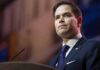


Senator John Kennedy warned that a Medicare for All push would force tens of millions off employer plans and hand Washington the keys to your healthcare.
Story Highlights
- Kennedy said Medicare for All would move about 200 million people from job-based plans to federal coverage.
- El-Sayed says he wants universal public insurance but claims private plans could still exist on top.
- Congressional Budget Office modeling shows many single-payer designs replace comprehensive private coverage.
- El-Sayed claims big monthly savings but has not provided a detailed funding model.
Kennedy’s Core Warning: Washington Control Displaces Employer Coverage
Senator John Kennedy said on national television that a Medicare for All plan would require roughly 200 million Americans to give up employer insurance and rely on the federal government. He argued that turning the entire system over to Washington would not fix costs and would erode choice for families who like their plans. That claim targets a real pain point for working households. Most families budget around job-based benefits and fear losing doctors and networks they trust.
Congressional Budget Office work backs up the risk that comprehensive private coverage gets crowded out. In its modeling of single-payer designs, the agency found the public plan would replace broad private insurance. Private carriers would be limited to supplemental benefits, not the core services families use now. That shift means people would switch first, and costs would move into taxes later. The change is large, fast, and run from Washington, not by employers close to workers.
El-Sayed’s Pitch: A Public “Floor” With Optional Private Add-Ons
Senator-elect Abdul El-Sayed says he prefers a design that guarantees public coverage for all but leaves space for private plans. He compares it to public schools and private schools. He says he does not want to take private insurance away, but he calls it secondary to a universal public plan. That framing suggests the public plan becomes the default and private options ride above it. Families could still buy extra coverage, but the main decisions shift to the federal government.
El-Sayed also promises no premiums, no copayments, and no deductibles for the guaranteed coverage. He claims average Americans would save thousands of dollars a month. Those are big promises that speak to relief from high bills. But his public comments do not show a full funding path or precise math to support the monthly savings claim. Without a clear model, households and small businesses cannot judge the trade-offs in taxes, wages, or access to care.
Cost Reality Check: Spending Shifts And Trade-Offs Families Feel
Budget experts have said single-payer plans can raise federal spending even if some household out-of-pocket costs fall. One analysis cited by news reports said federal health subsidies could increase by trillions by 2030 under some options, with lower patient bills at the point of service. That means taxpayers pick up more of the tab. The bill moves from premiums and employer costs into taxes. For many conservatives, that is not a savings. It is a shift that tightens Washington’s grip.
Kennedy’s argument connects to conservative concerns about choice and limited government. Employer plans often help families keep doctor networks, protect access to specialists, and support flexible benefits. When the federal government runs the core plan, the rules, rates, and rationing follow. Congressional Budget Office modeling shows that in the single-payer setups it studied, comprehensive private insurance disappears and only supplemental policies remain. That is a structural change, not a tweak around the edges.
What This Means For President Trump’s Team And Voters
President Trump’s administration must weigh these claims as Congress tests the idea. Kennedy’s 200 million displacement warning sets a high bar for any deal. El-Sayed’s school-style pitch sounds simple, but the details decide whether people keep real choice or face a one-size public plan. Federal control over core benefits, payment rates, and access rules can ripple through wait times, rural hospitals, and the ability to see trusted doctors when it counts.
🚨 BREAKING: Sen. John Kennedy (R-LA) FIRES BACK at Abdul El-Sayed’s proposed “TrumpCare” plan, questioning whether government-run healthcare would actually lower costs or improve care!
Kennedy didn’t hold back:
🗣️ “If you think that turning it all over to the federal… pic.twitter.com/jS17Y9y30g
— Natalie Harp Truth Social Post On X (@NatalieHarpQ) November 22, 2026
For readers who want lower costs without losing freedom, the stakes are clear. Washington-led healthcare often grows rules first and delivers savings later, if at all. Before Congress touches employer coverage, voters should demand plain-language numbers on taxes, wait times, and networks. They should also insist on protections for private plans that are more than a promise. As Kennedy put it, betting your family’s care on federal control is a gamble you do not have to take.
Sources:
pjmedia.com, nbcnews.com, dailytruthfighter.com, commondreams.org